433 N 4th St #210, Montebello, CA 90640, United States
 (323) 888-1030



Finding out you have a cavity or a cracked tooth almost always comes with a follow-up question: will this need a filling, or am I looking at a crown? It's one of the most common points of confusion patients bring up in our Montebello office, and for good reason - both treatments restore a damaged tooth, both are backed by decades of clinical use, and both can last for years when they're placed correctly. The difference comes down to how much healthy tooth structure remains and how much support that tooth needs to keep working for you long-term.
Choosing between the two isn't just a matter of preference. It affects how your tooth feels when you bite down, how it holds up over years of chewing, and whether you'll need further treatment down the road. A filling that's asked to do a crown's job tends to fail early - cracking, leaking, or letting decay sneak back in underneath. A crown placed on a tooth that only needed a small filling, on the other hand, removes more natural tooth structure than necessary.
This guide walks through exactly how we make that call during an exam, what each option involves chairside, and how to tell which direction your tooth is likely headed before you even sit in the chair. Our goal with every patient who comes through restorative dentistry treatment is the same: save as much natural tooth as safely possible while making sure the repair actually lasts.
How We Decide Between a Filling and a Crown
The decision starts with a straightforward question: how much of the natural tooth is left to work with after decay or damage is removed? A filling is designed to replace a relatively small amount of lost structure - think of it as patching a hole. A crown, by contrast, covers the entire visible portion of the tooth above the gumline, essentially replacing the outer shell. When more than half of the tooth's structure is compromised, a filling simply doesn't have enough healthy tooth left to bond to and support it under normal chewing pressure.
We also look closely at location and bite force. Back teeth absorb far more pressure during chewing than front teeth, so a large filling on a molar is more likely to crack or pop out over time than the same size filling on an incisor. Teeth that have had root canal therapy also tend to become more brittle, since they no longer receive blood supply and nutrients the way a living tooth does - these almost always benefit from a crown's full coverage, even if the visible decay itself was modest.
Finally, we factor in whether the tooth has existing cracks, old large fillings that are failing, or a history of fractures. A tooth with a hairline crack running through it needs the kind of structural reinforcement only a crown provides - a filling placed over a cracked tooth often just delays an eventual fracture rather than preventing one. During your exam, we'll show you digital x-rays and walk through exactly what we're seeing, so the recommendation never feels like a guess.
What a Dental Filling Actually Involves
A filling addresses decay or minor damage that's contained to a portion of the tooth. After numbing the area, we remove the decayed material, clean the cavity, and fill the space with a composite resin that's shaded to blend with your natural tooth color. This is where tooth-colored fillings have made a real difference compared to the old silver amalgam fillings many of us grew up with - they bond directly to the tooth, require less removal of healthy structure, and are virtually invisible when you smile or talk.
The entire process typically takes one appointment, usually somewhere between 30 and 60 minutes depending on the number and size of fillings being placed. The composite material is applied in layers and hardened with a curing light, then shaped and polished so your bite feels natural. Most patients are back to eating normally within a couple of hours, once the numbness wears off.
Good Candidates for a Filling
Fillings work best for small to moderate cavities, minor chips, and areas of wear that haven't compromised the tooth's overall strength. If you catch a cavity early - which is one of the biggest reasons we emphasize regular dental cleanings and exams - a filling is often the only treatment you'll ever need for that tooth.
What Getting a Dental Crown Involves
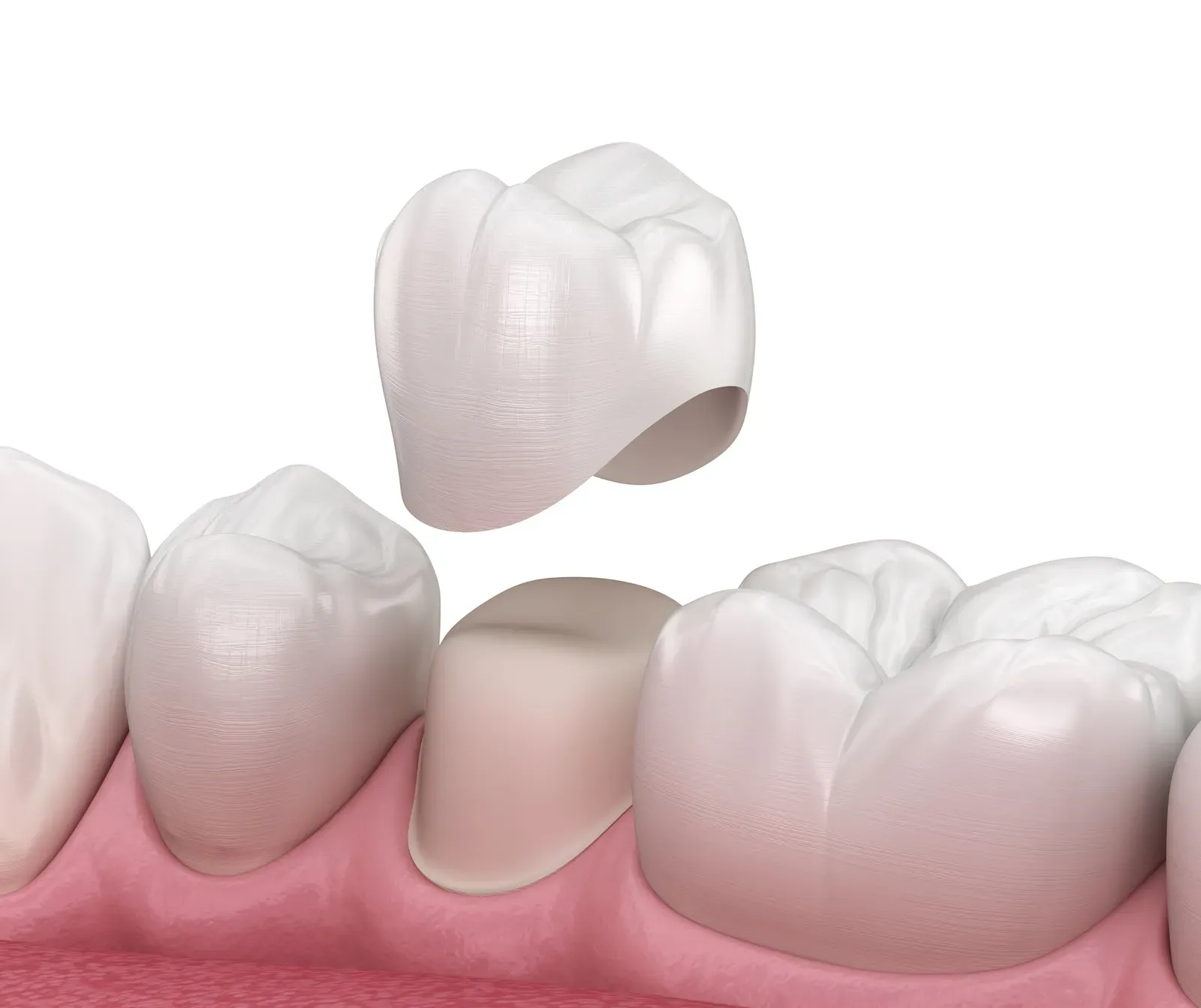
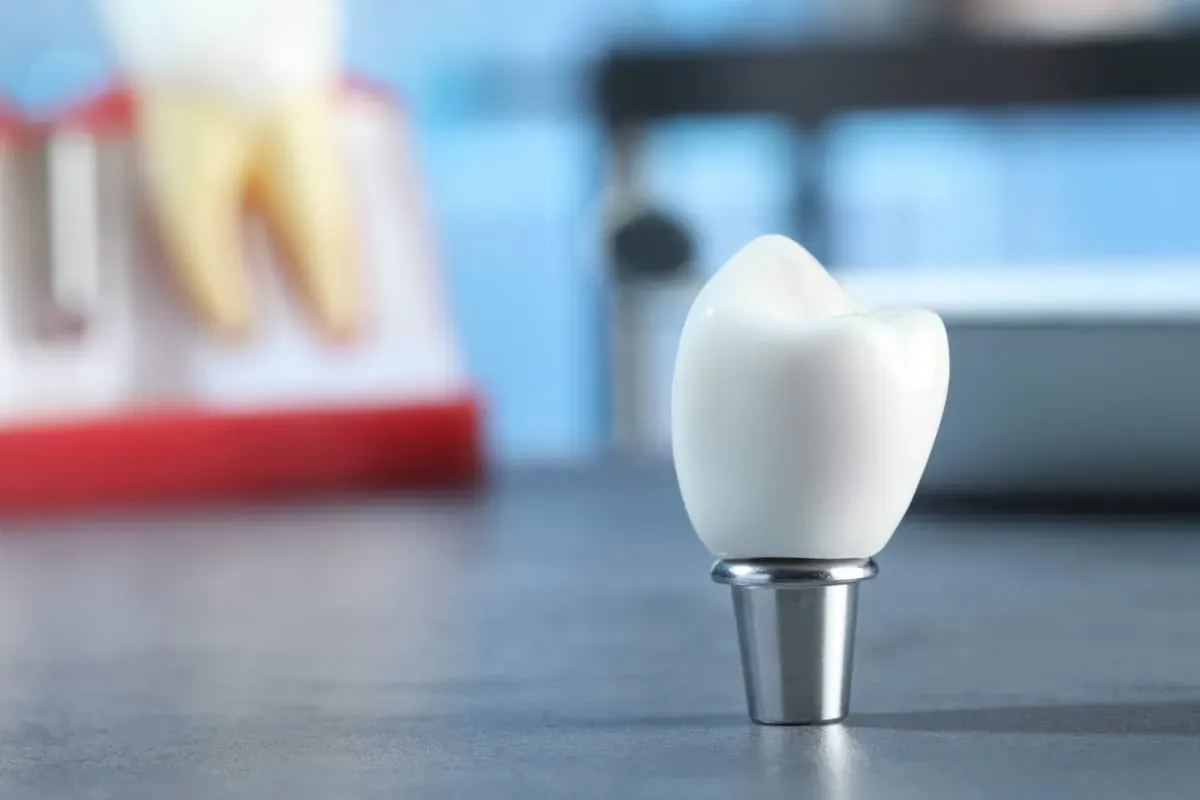
A crown is a custom-made cap that fits over the entire tooth, restoring its shape, strength, and function from the gumline up. Getting one usually takes two visits. At the first, we numb the area, reshape the tooth to make room for the crown's thickness, remove any remaining decay, and take an impression or digital scan. That scan is sent to a dental lab, which fabricates a crown matched to your bite and the shade of your surrounding teeth. In the meantime, you'll wear a temporary crown to protect the tooth.
At the second visit, typically one to two weeks later, we remove the temporary, check the fit and bite of the permanent crown, and cement it securely in place. Modern crowns are made from materials like porcelain-fused-to-metal or all-ceramic, both of which are durable enough to handle normal chewing forces while still looking like a natural tooth.
- Full structural coverage: A crown wraps around the tooth entirely, distributing chewing force evenly instead of concentrating it on a weak spot.
- Ideal after root canal therapy: Treated teeth lose moisture over time and become more prone to fracture, making a crown a standard follow-up step.
- Works with bridges: Crowns also serve as anchor points for dental bridges when a neighboring tooth is missing.
- Natural appearance: Modern ceramic crowns are shaded and shaped to blend seamlessly with the teeth around them.
How Long Each Option Really Lasts
Composite fillings generally hold up for 7 to 10 years with consistent oral hygiene, though this varies based on the size of the filling and your chewing habits. Smaller fillings in low-pressure areas tend to last longer; large fillings on molars, or in patients who grind their teeth at night, may need replacement sooner. Wear and micro-leakage around the edges of a filling are the most common reasons they eventually need attention.
Crowns tend to last longer - often 10 to 15 years, and frequently well beyond that with good care - because the material is thicker and distributes force more evenly across the entire tooth rather than relying on a bonded patch. That said, a crown is only as strong as the natural tooth structure underneath it, so decay can still develop at the margin where the crown meets the gumline if plaque builds up there over time.
Grinding or clenching habits shorten the lifespan of both fillings and crowns considerably. If we notice signs of nighttime grinding during your exam, we'll often recommend a custom night guard alongside your restoration to protect the investment you've just made in your tooth.
Cost, Insurance, and Value Over Time
It's natural to weigh cost heavily in this decision, and we understand that. Fillings carry a lower upfront price than crowns, and most dental insurance plans cover a significant portion of the cost since they're considered a basic restorative procedure. Crowns involve lab fabrication, more clinical time, and higher-grade materials, so the upfront investment is greater - though many PPO plans also cover a meaningful percentage, especially when the crown is medically necessary rather than cosmetic.
The number that matters more than the sticker price, though, is cost over the life of the tooth. A filling placed on a tooth that genuinely needed a crown often fails within a year or two, leading to a second procedure, additional numbing visits, and sometimes a root canal if decay reaches the nerve in the meantime. In that scenario, the "cheaper" option ends up costing more in total appointments, time off work, and out-of-pocket expense than simply doing the crown from the start.
We'll always walk you through your specific insurance benefits and give you a clear, itemized estimate before any treatment begins - no surprises at checkout. If a tooth is borderline between the two options, we'll tell you honestly, and explain the trade-offs so you can make an informed choice for your budget and your long-term dental health.
Warning Signs Your Filling Needs an Upgrade
Sometimes a tooth that was successfully filled years ago starts sending signals that it needs more support. Catching these signs early usually means the difference between a straightforward crown placement and an emergency visit for a tooth that's fractured down to the gumline.
Pay attention to sharp pain when biting down on a specific spot, a filling that feels like it's shifted or has a rough edge your tongue keeps finding, or visible dark lines running along the edge of an old filling. Sensitivity to hot and cold that lingers for more than a few seconds after the stimulus is removed is another common clue that decay has worked its way underneath an existing restoration. None of these symptoms should be ignored, even if they come and go - if you notice any of them between regular visits, it's worth calling our Montebello office so we can take a look before the problem grows.
Key Takeaways
- Fillings work best for smaller cavities where most of the natural tooth structure remains intact.
- Crowns are the better choice for extensively decayed, cracked, or root-canal-treated teeth that need full structural support.
- Crowns generally outlast fillings, but both can be shortened significantly by nighttime grinding.
- Choosing the right option the first time usually saves money and avoids repeat procedures down the road.
- Regular exams catch decay early, when a simple filling is still an option instead of a crown.
Frequently Asked Questions
Can a large filling be replaced with a crown later?
Yes, this is a common and reasonable path. If a filling that was once appropriate starts to fail, chip, or the tooth develops a crack around it, we can remove the old filling and place a crown over the remaining structure to give the tooth long-term support.
Does getting a crown hurt more than a filling?
Both procedures are done under local anesthesia, so neither should be painful during treatment. Crowns involve more tooth reshaping, so mild soreness for a day or two afterward is slightly more common than with a filling, but it's typically manageable with over-the-counter pain relief.
How do I know if my tooth pain means I need a crown?
Pain that's sharp when you bite down, sensitivity that lingers after hot or cold exposure, or a visible crack are all signs worth having examined promptly. An exam and x-ray are the only reliable way to tell whether a filling will still work or whether more coverage is needed.
Will my insurance cover a crown if a filling was already tried?
Most plans will cover a crown when it's clinically necessary, even if a filling was placed previously and has since failed. Our front desk team will verify your specific benefits and give you a clear estimate before treatment starts.
How can I make my filling or crown last as long as possible?
Brushing twice daily, flossing consistently, avoiding chewing on hard items like ice, and wearing a night guard if you grind your teeth all extend the life of any restoration. Keeping up with routine cleanings and exams also lets us catch early wear before it turns into a bigger repair.
Trusting Your Tooth to the Right Repair
There's no universal right answer between a filling and a crown - the right choice depends entirely on how much healthy tooth structure you have left and what kind of pressure that tooth handles every day. What matters most is getting an honest, clear assessment rather than a one-size-fits-all recommendation, which is exactly what we aim to give every patient who sits in our chairs.
If you've been putting off a dental visit because of discomfort, a chipped tooth, or an old filling that doesn't feel quite right anymore, it's worth getting it checked before the situation changes your options. Our team at Sahara Family Dental in Montebello is here to walk you through exactly what your tooth needs and why, so you can move forward with confidence in your treatment plan.