Oral Surgery • Tooth Extractions

Tooth Extractions

When a tooth is too damaged, infected, or crowded to save, extraction becomes the safest path back to a healthy, pain-free mouth. As a trusted emergency dentist in Montebello, Sahara Family Dental provides tooth extractions as part of our broader oral surgery services, handling everything from a single troublesome molar to full pre-orthodontic extraction plans with the same careful, unhurried approach.

Oral Surgery • Tooth Extractions

Gentle, Precise Tooth Extractions in Montebello, CA

We understand that the words "tooth extraction" can bring on real anxiety. Our goal is to replace that worry with clear information and a calm, controlled experience. Dr. and our clinical team evaluate every tooth individually with digital X-rays, explain exactly what to expect, and use modern anesthesia techniques so the procedure itself is far less intimidating than patients imagine. Whether you walked in with sudden, severe tooth pain or you have been planning this step with us for weeks, you will leave with a clear recovery plan and a team that is reachable if anything feels off.

Tooth extractions sit within our Oral Surgery services at Sahara Family Dental, and we coordinate closely with our restorative team so that if a replacement tooth, bridge, or implant is part of your long-term plan, that conversation starts the same day.

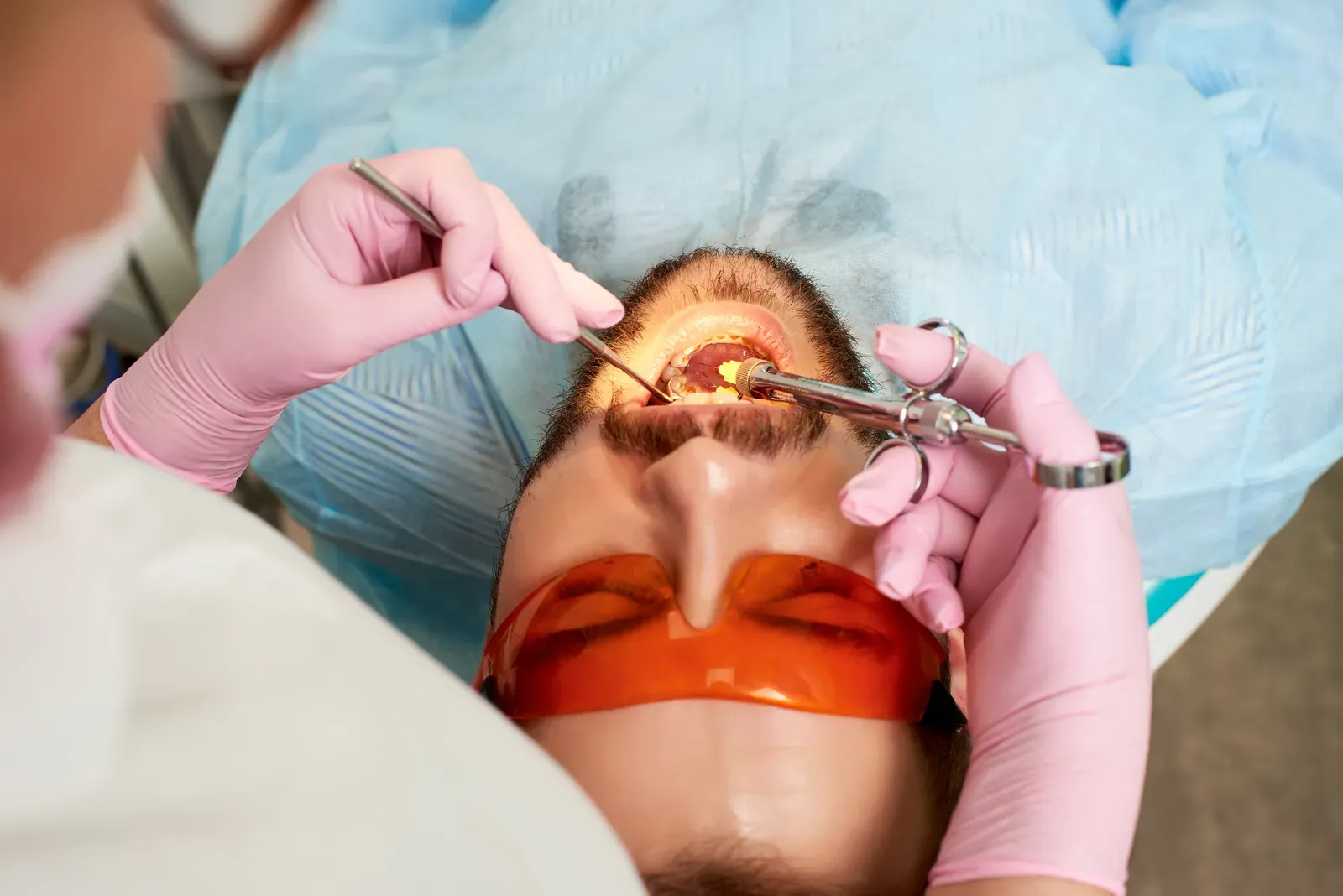
Photo related to tooth extractions

Signs & Symptoms That Point to a Needed Extraction

Most patients do not arrive asking for an extraction by name; they arrive with pain, swelling, or a tooth that simply will not stop bothering them. Part of our job is figuring out whether that tooth can be saved with a filling, crown, or root canal, or whether removal is truly the better long-term choice. The signs below are the most common reasons patients in Montebello call us for an urgent evaluation.

Who Is a Good Candidate for Tooth Extraction?

Not every damaged or painful tooth needs to come out. Before recommending extraction, we always ask whether a root canal, crown, or deep cleaning could restore and preserve the natural tooth instead, because keeping your own teeth is almost always the better long-term outcome for your bite and jawbone. Candidacy for extraction comes down to a combination of the tooth's condition, your overall oral health, and sometimes your broader medical history.

During your consultation, we review digital imaging, assess the health of the surrounding bone and gum tissue, and talk through your medical history and any medications you take. That full picture lets us recommend extraction only when it is genuinely the right choice, not simply the fastest one.

Simple vs. Surgical Extractions: Approaches We Use

Not all extractions are the same procedure performed twice. The approach depends on where the tooth sits, how much of it is visible above the gum line, and the shape of its roots. We tailor each extraction to the specific tooth in front of us rather than applying one method to every patient.

Health Benefits of Removing a Problem Tooth

Choosing extraction is not about giving up on a tooth; it is about protecting everything around it. A failing or infected tooth left in place can quietly damage neighboring teeth, bone, and gum tissue, and in some cases put your overall health at risk. Removing it at the right time is often what allows the rest of your mouth to heal and stay healthy.

Recovery, Aftercare & Healing Timeline

Healing after an extraction follows a fairly predictable path, and most patients are back to normal routines within a few days. Simple extractions tend to feel better faster than surgical ones, but in both cases, how carefully you follow aftercare instructions in the first 48 to 72 hours has a direct effect on your comfort and how quickly the socket heals. We send every patient home with written instructions and our direct line in case anything feels unusual.

What to Expect: The Tooth Extraction Process, Step by Step

Knowing what each stage of the visit looks like helps take the mystery, and much of the anxiety, out of the appointment. Here is how a typical extraction unfolds at Sahara Family Dental.

1

Exam and Digital X-Rays

We examine the tooth, review your symptoms, and take digital imaging to see the root position, surrounding bone, and any infection before deciding on the right approach.

2

Treatment Plan & Anesthesia Discussion

We walk you through whether a simple or surgical extraction is needed, review your medical history, and choose an anesthesia or sedation option that fits your comfort level.

3

Numbing the Area

We thoroughly numb the tooth and surrounding gum tissue, and wait until you confirm you are fully comfortable before beginning the procedure.

4

Gentle Tooth Removal

Using careful, controlled technique, we loosen and remove the tooth, taking small surgical steps where needed to protect the surrounding bone and tissue.

5

Socket Care & Clot Formation

We clean the socket, place gauze to support clot formation, and in some cases add sutures or bone graft material if future implant placement is planned.

6

Aftercare Instructions & Follow-Up

You leave with clear written aftercare guidance, pain management recommendations, and a plan for your follow-up visit and any next steps for tooth replacement.

Why Montebello Families Choose Sahara Family Dental

Extractions are a procedure patients remember, for better or worse, which is why we treat every detail of the visit, from how quickly we can get you in to how we communicate during the appointment, as part of the care itself. We built our oral surgery services around reducing wait time, reducing anxiety, and giving patients real answers instead of vague reassurance.

Frequently Asked Questions About Tooth Extractions

Does getting a tooth pulled actually hurt?

The area is fully numbed with local anesthesia before we begin, so you should not feel sharp pain during the procedure, only pressure in some cases. Mild soreness for a few days afterward is normal and is managed well with over-the-counter or prescribed pain medication.

How long does it take to recover from a tooth extraction?

Most patients feel noticeably better within 2 to 3 days after a simple extraction, with full soft tissue healing taking about one to two weeks. Surgical extractions, such as impacted wisdom teeth, can take a bit longer, often 3 to 7 days for the initial discomfort to subside.

Can I have a tooth pulled the same day I call as an emergency?

We reserve space for urgent cases involving severe pain, swelling, or infection and do our best to see Montebello patients the same day or within 24 hours whenever possible. Call our office directly and describe your symptoms so our team can prioritize your visit.

What should I eat after getting a tooth extracted?

Stick to soft, cool, or room-temperature foods for the first few days, such as yogurt, applesauce, mashed potatoes, and broths. Avoid hot foods, carbonated drinks, alcohol, and anything crunchy or chewy that could irritate the healing socket or dislodge the blood clot.

Do I need to replace the extracted tooth right away?

It depends on the tooth's location and your bite. Back molars sometimes have more flexibility, but front teeth and teeth that support your bite are usually best replaced with an implant, bridge, or partial denture within a few months to prevent shifting of the surrounding teeth.

Is tooth extraction covered by dental insurance?

Most dental insurance plans provide at least partial coverage for medically necessary extractions. Our front desk team will review your specific plan, verify your benefits, and explain your expected out-of-pocket cost before your appointment so there are no surprises.

Your Smile Awaits

Ready for a Healthier, Brighter Smile?

Schedule your visit with Sahara Family Dental today and experience gentle, modern care for your whole family.