Discover what to expect from tooth extractions, including the process, recovery, and benefits. Trust Sahara Family Dental for your care.

At Sahara Family Dental, we understand that the thought of a tooth extraction can be daunting. However, it is often a necessary procedure to maintain oral health and prevent further complications. Whether it's due to severe decay, infection, or overcrowding, tooth extractions are a common part of dental care. Our team in Montebello, California, is dedicated to making this process as comfortable and stress-free as possible for you.
Tooth extractions might sound intimidating, but with modern techniques and anesthesia, they can be straightforward and less discomforting than you might expect. Understanding what the procedure entails, how to prepare, and what recovery looks like can ease your mind and help you take an active role in your dental health journey.
Tooth extractions become necessary for a variety of reasons, each crucial for maintaining overall oral health. A common reason is severe tooth decay that has damaged the tooth beyond repair. In such cases, removing the tooth can prevent the spread of infection to surrounding teeth and gums.
Another reason for extractions is overcrowding. This is particularly common with wisdom teeth, which can cause alignment issues if they erupt improperly. Removing these teeth can create space and prevent shifting of the remaining teeth. Additionally, teeth that are damaged from trauma or are causing gum disease may also need removal to preserve oral health.
Proper preparation is key to ensuring a smooth extraction process. Your dentist will first perform a thorough examination, which may include X-rays, to assess the condition of the tooth and the surrounding bone. This assessment is crucial to planning the extraction strategy.
Patients are typically advised to avoid eating or drinking for several hours before the procedure if general anesthesia is used. It's also important to inform your dentist of any medications you're taking and any medical conditions you might have, as these can impact the extraction process and recovery.
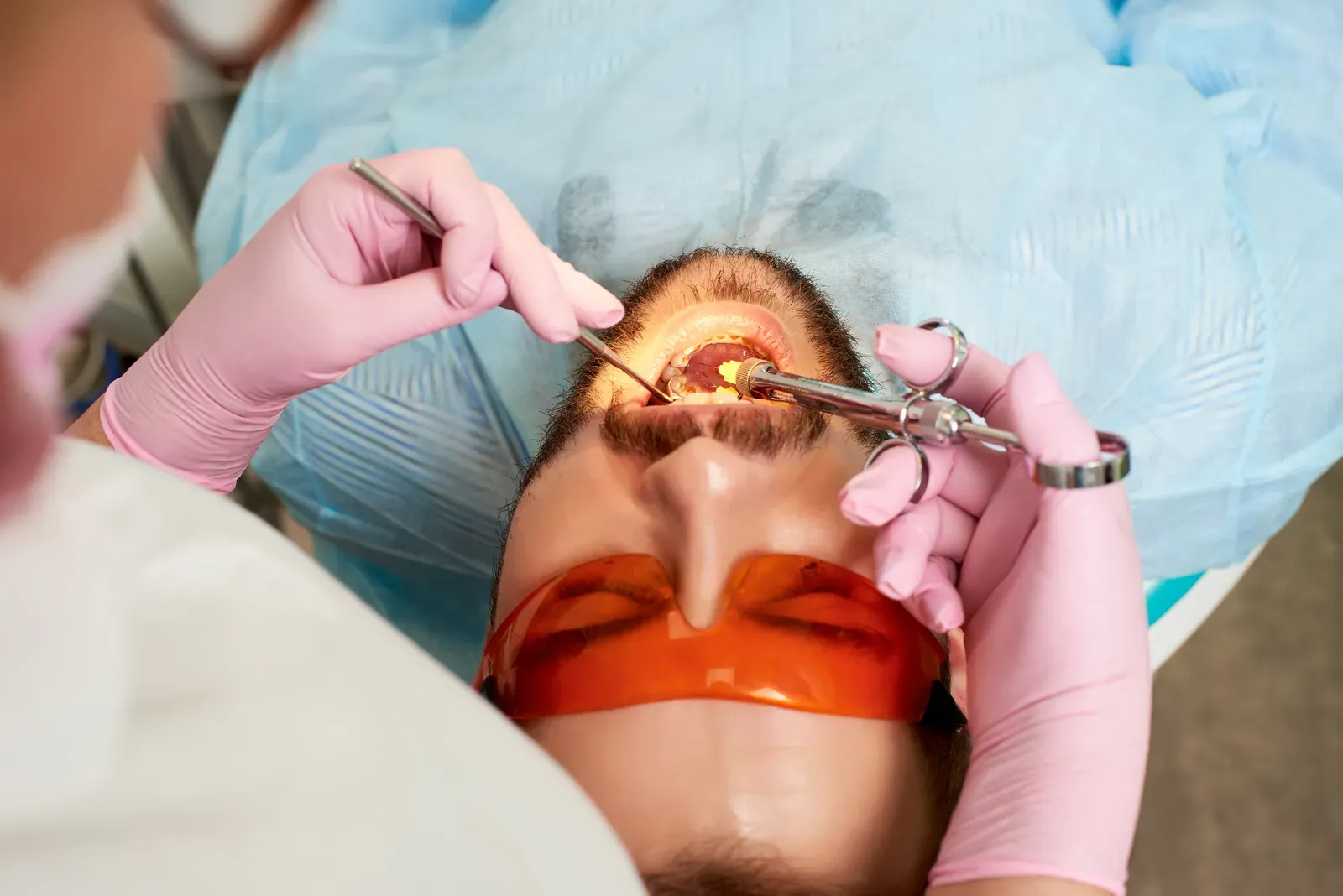
The extraction procedure itself is typically straightforward. Local anesthesia is administered to numb the area around the tooth. In cases of impacted teeth, or more complex extractions, general anesthesia may be used instead. During the procedure, you should feel no pain, though you may experience pressure as the tooth is being removed.
For simple extractions, the dentist uses an instrument called an elevator to loosen the tooth, followed by forceps to remove it. Complex extractions, such as those involving impacted teeth, may require the dentist to cut away gum and bone tissue to access the tooth. Rest assured, our experienced team at Sahara Family Dental ensures this is done efficiently and with the utmost care.
Post-extraction, it’s important to follow your dentist’s aftercare instructions to ensure a smooth recovery. Initially, you’ll need to bite down on a gauze pad to control bleeding and allow a blood clot to form in the socket. This clot is vital for healing and should not be disturbed.
Pain and swelling are common in the first few days after the extraction, and over-the-counter pain relievers can help manage these symptoms. Applying an ice pack to the affected area can also reduce swelling. Additionally, you should avoid strenuous activity, smoking, and using straws, as these can disrupt the healing process.
While the thought of tooth extraction might be unsettling, the benefits are significant. Removing an infected or damaged tooth can prevent further complications, including the spread of infection to other teeth. This can ultimately save you from more extensive dental treatments in the future.
Extractions can also alleviate pain and discomfort caused by overcrowded or impacted teeth, helping to restore function and comfort. Moreover, they can improve the appearance of your smile by making room for orthodontic treatments or dental implants, enhancing both aesthetics and oral health.
Key Takeaways
Recovery typically involves managing pain and swelling with prescribed medications and ice packs. You should avoid activities that could dislodge the blood clot, such as smoking and using straws. Follow your dentist's instructions for the best outcome.
The procedure is performed under local or general anesthesia, so you should not feel pain during the extraction. You might feel some pressure, but the anesthesia should effectively block pain.
Most people recover from a tooth extraction in a few days to a week. However, complete healing of the extraction site can take a few weeks. Following your dentist's aftercare instructions will aid in a quicker recovery.
It's best to stick to soft foods and avoid eating on the side of the extraction for the first few days. Foods like yogurt, applesauce, and mashed potatoes are recommended.
In some cases, alternatives such as root canal therapy may be an option if the tooth can be saved. Your dentist will discuss all viable options with you during the consultation.
Tooth extractions, while often necessary, can seem overwhelming. At Sahara Family Dental, we strive to provide you with the best care to ensure your experience is as comfortable and stress-free as possible. Understanding the process, recovery, and benefits can help you feel more at ease and prepared for the procedure.
We are committed to supporting your dental health journey with expertise and compassion. If you are facing a potential tooth extraction, we invite you to schedule a consultation with our team to discuss your specific needs and options.
Interested in the topics discussed in this guide? Explore our specialized treatments and services.
Your Smile Awaits
Schedule your visit with Sahara Family Dental today and experience gentle, modern care for your whole family.
 433 N 4th St #210, Montebello, CA 90640, United States
 (323) 888-1030