433 N 4th St #210, Montebello, CA 90640, United States
 (323) 888-1030




If your dentist has recently told you that a tooth needs a crown, you're probably wondering what happens next. It's one of the most common recommendations in restorative dentistry, yet many patients still arrive at their appointment with a handful of questions about what a crown actually does, how long it takes, and whether it will feel like a "real" tooth afterward. You're not alone in asking - crowns are used to save teeth that would otherwise be extracted, and understanding the process can make the entire experience far less intimidating.
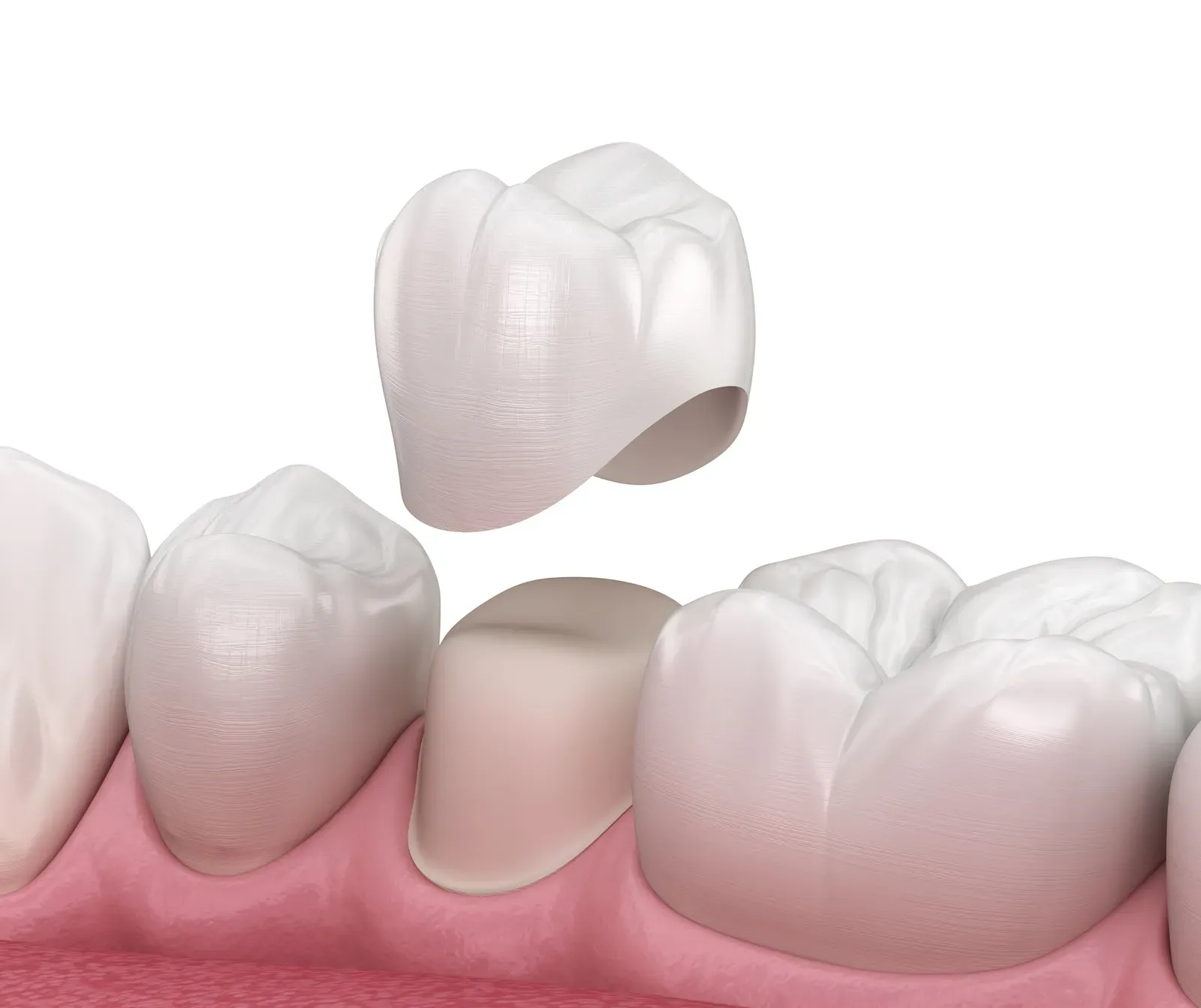
A dental crown is essentially a custom-made cap that fits over a damaged or weakened tooth, restoring its shape, strength, and function while protecting it from further harm. Crowns are used after large fillings fail, after root canal therapy, to repair a cracked tooth, or simply to improve the appearance of a tooth that's discolored or misshapen. They're one of the most versatile and durable tools in modern dentistry, and when placed correctly, they can last for well over a decade.
At Sahara Family Dental in Montebello, we place crowns regularly as part of our broader restorative dentistry work, and we've found that patients who understand the "why" behind the recommendation tend to feel more confident about moving forward. This guide walks through everything you need to know - from the signs that you might need a crown to how to care for one once it's in place.
What a Dental Crown Actually Does
Think of a crown as a protective shell that completely covers the visible portion of a tooth above the gumline. Unlike a filling, which fills in a cavity or small defect, a crown replaces the entire outer surface of the tooth. This matters because once a tooth has lost a significant amount of its original structure - whether from decay, a fracture, or a large old filling - it often doesn't have enough strength left to handle normal biting forces on its own.
Crowns distribute chewing pressure evenly across the tooth, which prevents the remaining natural structure from cracking further. They're also commonly used after root canal therapy, since a tooth that's had its nerve removed can become more brittle over time. In cosmetic cases, crowns can reshape a tooth that's oddly sized, severely discolored, or worn down from years of grinding.
It's worth noting that a crown isn't a cosmetic shortcut - it's a functional restoration first. While modern materials make crowns look remarkably natural, the primary job of a crown is mechanical: to hold a tooth together and let you chew normally without pain or risk of fracture.
Signs You Might Need a Crown
Most people don't wake up and decide they need a crown - it's usually something your dentist identifies during a routine exam or after you come in with a specific complaint. That said, there are a few warning signs worth paying attention to between visits.
- Sharp pain when biting down: This often signals a crack running through the tooth that isn't visible on the surface but puts pressure on the inner nerve when you chew.
- A large, old filling that's breaking down: When a filling takes up most of the tooth, the remaining structure is often too thin and weak to support itself much longer.
- A recently completed root canal: Back teeth especially need a crown afterward to prevent fracture, since the tooth loses some of its natural moisture and flexibility.
- Visible cracks or chips: Even small fracture lines can spread deeper over time, especially under the stress of chewing or grinding.
- Noticeable wear or discoloration: Teeth that have worn down from grinding or that resist whitening treatments are sometimes better served by a crown than repeated cosmetic touch-ups.
If any of this sounds familiar, it's worth having it evaluated sooner rather than later. A tooth that's starting to crack is far easier and less expensive to treat before the fracture extends below the gumline, where it may no longer be restorable at all.
Choosing the Right Crown Material
Not all crowns are made the same way, and the material your dentist recommends usually depends on where the tooth sits in your mouth, how much biting force it will bear, and how important the cosmetic appearance is to you. This is a conversation worth having in detail during your consultation, since each option comes with its own trade-offs.
All-ceramic and all-porcelain crowns are the most popular choice for front teeth because they mimic the translucency and color of natural enamel so closely. They've also improved significantly in strength over the past decade, making them a reasonable option for back teeth in many cases. Zirconia crowns, a newer ceramic material, offer exceptional durability and are often recommended for molars that handle heavy chewing loads, while still looking fairly natural.
Porcelain-fused-to-metal crowns combine a metal substructure with a porcelain outer layer, giving you a balance of strength and appearance, though a thin dark line can sometimes show at the gumline over time. Gold and metal alloy crowns, while less common for visible teeth, remain one of the most durable and long-lasting options for molars that aren't seen when you smile. Your dentist will walk you through which material makes the most sense given the tooth's location, your bite pattern, and your budget.
What Happens During the Procedure
Getting a crown typically takes two appointments, though some practices offer same-day crowns using in-office milling technology. During the first visit, your dentist numbs the area and removes any decay or damaged tissue before reshaping the tooth to make room for the crown. This reshaping is important - the crown needs enough clearance to fit comfortably without feeling bulky or interfering with your bite.
Once the tooth is prepared, an impression or digital scan is taken and sent to a dental lab, where your permanent crown is custom-fabricated to match your bite and the shade of your surrounding teeth. In the meantime, you'll wear a temporary crown to protect the prepared tooth. Temporaries are typically made from acrylic or composite material and are designed to hold up for a couple of weeks, though they're not quite as strong as the permanent restoration.
At your second visit, the temporary is removed and your permanent crown is checked for fit, color match, and bite alignment before being cemented into place. Most patients describe the process as straightforward and far less uncomfortable than they expected - any soreness is usually limited to the numbness wearing off, similar to what you'd feel after a filling. If your crown follows a root canal or involves significant tooth decay, your dentist may also coordinate with other aspects of your treatment plan, including evaluating whether tooth-colored fillings are a better fit for smaller areas of decay nearby.
Recovery and the First Few Weeks
Recovery from a crown placement is generally mild. You might notice some sensitivity to hot and cold for a few days as the tooth and surrounding gum tissue settle, and slight tenderness when biting down is common for the first week while you adjust to the new shape. This typically fades on its own, but if discomfort lingers beyond two weeks or worsens rather than improves, it's worth calling your dentist to check the bite alignment.
During the temporary crown phase, it helps to chew on the opposite side of your mouth and avoid sticky or very hard foods, since temporaries can dislodge more easily than permanent restorations. Once your permanent crown is cemented, you can return to eating normally within a day or so, though giving the cement a few hours to fully set before tackling something especially chewy is a reasonable precaution.
Good oral hygiene habits matter just as much with a crowned tooth as with a natural one. The crown itself can't develop a cavity, but the tooth structure underneath it and the gumline around it absolutely can, so regular brushing, flossing, and attending your dental cleanings and exams remain essential for keeping the restoration healthy for the long run.
How Long a Crown Really Lasts
Most dental crowns last between 10 and 15 years, and many go well beyond that with proper care. Lifespan depends on several factors: the material chosen, the location of the tooth in your mouth, how much force it absorbs from chewing or grinding, and how consistently you keep up with hygiene and checkups. Molars, which bear the brunt of chewing forces, tend to show wear sooner than crowns on front teeth used mainly for biting and speaking.
One of the most common reasons a crown needs replacement isn't the crown material failing, but decay forming at the margin where the crown meets the natural tooth. This is why routine checkups matter so much - your dentist can catch early signs of a failing margin on an X-ray long before it becomes painful or visible. Grinding or clenching your teeth at night is another major factor in premature crown wear, which is why many patients who have crowns are also candidates for a custom night guard to protect both the restoration and the surrounding teeth.
If a crown does eventually need replacement, it's rarely an emergency - your dentist will usually flag early signs during a routine visit so the work can be scheduled proactively rather than reactively. Staying consistent with preventive visits is genuinely the single best thing you can do to extend the life of any restoration.
Key Takeaways
- A crown fully covers a weakened tooth to restore strength, shape, and function, not just appearance.
- Common reasons for a crown include large failing fillings, cracked teeth, and root canal recovery.
- Material choice (ceramic, zirconia, porcelain-fused-to-metal, or gold) depends on the tooth's location and function.
- The procedure usually takes two visits with a temporary crown in between.
- Crowns typically last 10 to 15+ years with good hygiene and regular dental checkups.
Frequently Asked Questions
Does getting a crown hurt?
The procedure itself is performed under local anesthesia, so you shouldn't feel pain during the appointment. Mild soreness or sensitivity afterward is normal and usually resolves within a few days, similar to recovery from a routine filling.
Can a crowned tooth still get a cavity?
Yes. While the crown material itself can't decay, the natural tooth structure beneath it and around the margins can still develop cavities if plaque builds up. That's why daily brushing, flossing, and regular checkups remain important even after a crown is placed.
How much does a dental crown cost?
Cost varies based on the material selected, the location of the tooth, and whether additional treatment like a root canal is needed beforehand. We'll provide a clear cost estimate during your consultation, and our team can also discuss insurance coverage and financing options with you.
What's the difference between a crown and a veneer?
A veneer is a thin shell bonded only to the front surface of a tooth, mainly for cosmetic improvement, while a crown covers the entire tooth and is used primarily to restore strength and function. Veneers are generally reserved for teeth with healthy structure that just need a cosmetic update, while crowns are used when more of the tooth is compromised.
Can I eat normally with a temporary crown?
You can eat, but it's best to stick to softer foods and chew on the opposite side of your mouth until your permanent crown is placed. Temporary crowns aren't as strong as the final restoration, and sticky or hard foods can loosen or dislodge them.
A Durable Solution Worth Understanding
A dental crown is often the difference between saving a tooth and losing it altogether. Once you understand what the procedure involves and why your dentist is recommending it, the decision tends to feel much less daunting - it's a well-established treatment with a long track record of success when it's matched to the right material and placed with careful attention to fit and bite.
If you're dealing with tooth pain, a cracked filling, or you've recently been told you need a root canal, it's worth having an evaluation sooner rather than later. Our team at Sahara Family Dental in Montebello takes the time to explain your options clearly, recommend the material that fits your specific tooth and lifestyle, and make sure your restoration feels as natural as possible once it's in place.