
Learn how dental crowns work, what they cost, and how to care for them. Get expert guidance from Sahara Family Dental in Montebello. Book online today!
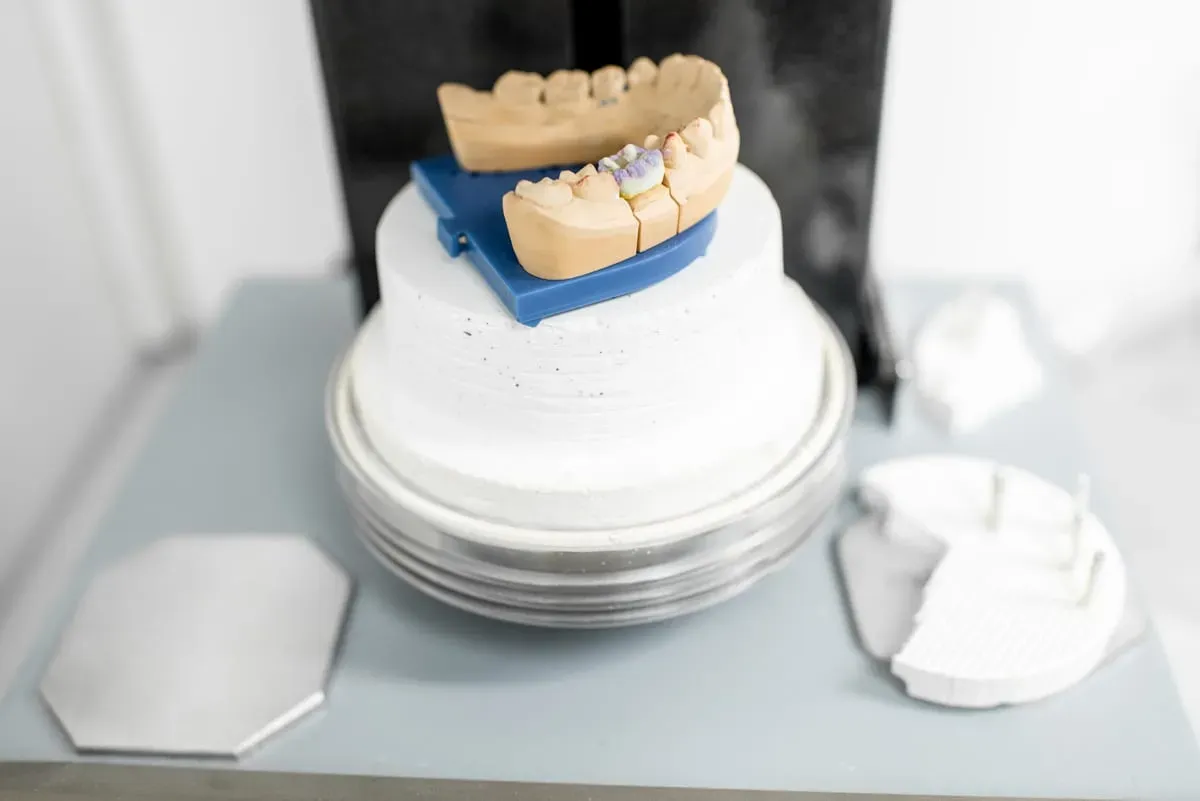
If your dentist has recently told you that you need a crown, you probably have questions - and that's completely normal. A dental crown is one of the most common restorative treatments we provide, yet patients often arrive at our Montebello office unsure what the procedure actually involves, how long the results will last, or whether it's going to hurt. Understanding the process ahead of time makes everything easier, from the first consultation to the moment your new crown is seated.
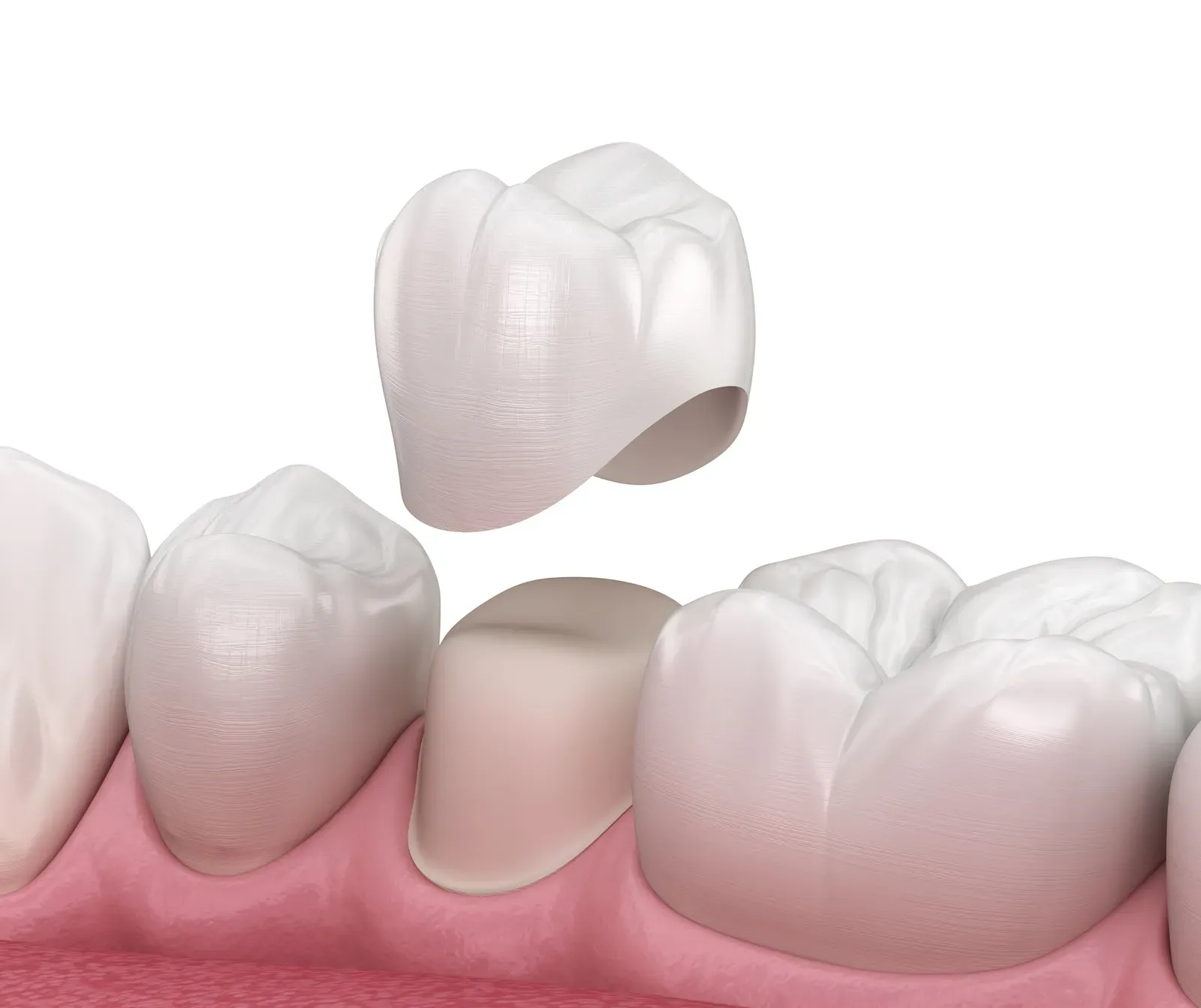
A crown is essentially a custom-made cap that fits over a damaged, weakened, or heavily restored tooth, restoring its shape, strength, and appearance. Crowns are used after large fillings fail, after root canal treatment, to anchor a bridge, or simply to protect a tooth that has cracked under years of chewing pressure. They're one of the most reliable tools in dentistry precisely because they solve so many different problems with a single, durable restoration.
This guide walks through everything you need to know about dental crowns - what they're made of, what the appointments actually look like, how to care for a crown once it's placed, and the questions patients ask us most often. Our goal at Sahara Family Dental is to make sure you walk into your crown appointment feeling informed and at ease, not anxious.
Think of a crown as a protective shell that covers the entire visible portion of a tooth above the gumline. Unlike a filling, which repairs a specific area of damage, a crown surrounds the whole tooth structure, distributing chewing forces evenly and preventing further cracking or breakdown. This is why crowns are often described as the solution of last resort before extraction - they can save a tooth that would otherwise be too compromised to function.
Crowns serve both a structural and a cosmetic purpose. Structurally, they reinforce teeth that have lost significant material to decay, fracture, or previous dental work. Cosmetically, they can correct the shape, size, and color of a tooth that stands out from the rest of your smile. Many patients are surprised to learn that a well-made crown is virtually indistinguishable from a natural tooth, both in appearance and in how it feels when you bite down.
Crowns are also a key part of other treatments. They cap teeth after root canal therapy, they anchor the replacement teeth in a dental bridge, and they top implants to recreate a fully functioning tooth. In short, a crown is rarely an isolated procedure - it's usually one piece of a broader plan to keep your bite healthy and your smile intact.
There's no single symptom that always points to a crown - it depends on the condition of the tooth and what's causing the problem. That said, certain patterns come up again and again in our exam room, and recognizing them early can help you avoid a more complicated (and more expensive) repair down the road.
Not all crowns are made the same way, and the material matters more than most patients expect. The right choice depends on where the tooth sits in your mouth, how much bite force it absorbs, and how important the cosmetic appearance is to you. We'll always talk through these trade-offs with you before moving forward, but it helps to understand the basic categories ahead of time.
These are the most popular choice for front teeth because they can be shade-matched almost perfectly to your natural enamel. Modern ceramic materials, such as zirconia and lithium disilicate, have also become strong enough to use on back teeth, giving patients a metal-free option that still holds up under daily chewing.
This option combines a metal substructure with a porcelain outer layer, giving you the strength of metal with a tooth-colored surface. It's a reliable, time-tested choice, though a thin dark line can sometimes show at the gumline over the years.
Metal crowns are the most durable option and are extremely gentle on opposing teeth, which makes them a good fit for molars that absorb heavy chewing force. The trade-off is appearance, since the metallic color is visible - something most patients only consider for back teeth that aren't seen when they smile.
Getting a crown is typically a two-visit process, though same-day options exist with milling technology in some offices. At your first appointment, we numb the area and reshape the tooth, removing a thin layer of enamel to create room for the crown to fit over it comfortably. If the tooth has significant decay or damage, we build up the core first so the crown has a solid foundation.
Once the tooth is prepared, we take a precise digital scan or impression, which gets sent to a dental lab to fabricate your custom crown. In the meantime, you'll wear a temporary crown that protects the tooth and keeps it functioning normally while you wait - usually one to two weeks. During this period, it's a good idea to avoid very sticky or hard foods on that side of your mouth, since temporaries aren't designed for heavy use.
At the second visit, we remove the temporary, check the fit and color of the permanent crown, and make any small adjustments before cementing it permanently in place. We'll check your bite carefully to make sure the crown feels natural when you chew, and we'll walk you through aftercare before you leave. Most patients are surprised by how quickly they stop noticing the crown is even there - within a day or two, it simply feels like part of your tooth.
A crown restores the outer surface of your tooth, but the tooth underneath and the gum tissue around it still need the same care as any other tooth in your mouth. Decay can still develop at the margin where the crown meets your natural tooth, which is why consistent oral hygiene remains essential even after the restoration is complete.
Brushing twice daily and flossing around the crown margin helps prevent plaque buildup in the area most prone to new decay. We also recommend being mindful of habits that put unnecessary stress on a crown, such as chewing ice, biting fingernails, or using your teeth to open packaging. These habits are hard on natural teeth too, but they're especially risky for a crown, since excessive force can chip the material or loosen the cement seal over time.
If you grind your teeth at night, let us know - a custom nightguard can protect both your natural teeth and your crown from the repetitive pressure that wears down restorations faster than normal chewing ever would. Routine checkups also give us the chance to catch small issues, like a slightly loose crown or early gum recession around the margin, before they turn into bigger problems.
With good care, a dental crown typically lasts between 10 and 15 years, and many patients get considerably longer use out of theirs. Longevity depends heavily on the material chosen, the location of the tooth in your mouth, and your own habits - someone who grinds their teeth or regularly chews ice will likely need a replacement sooner than someone with a gentler bite.
Over time, the most common reason a crown needs replacing isn't the crown itself failing, but decay developing at the edge where it meets the natural tooth. This underscores why regular cleanings and exams matter so much, even after a tooth has been "fixed." Catching early decay at a routine visit means a simple repair; missing it for years can mean losing the tooth entirely.
When a crown does eventually need to be replaced, the process is similar to the original procedure, though often faster since the tooth has already been shaped. We'll evaluate the health of the tooth underneath at that time and recommend the best path forward, whether that's a straightforward replacement or a different restorative approach if the tooth's condition has changed.
The preparation appointment is done under local anesthesia, so you shouldn't feel pain during the procedure itself. Some mild sensitivity to temperature or pressure is normal for a few days afterward as the tooth adjusts, but this typically fades quickly and can be managed with an over-the-counter pain reliever if needed.
It's uncommon, but a crown can loosen if the cement breaks down over time or if the tooth underneath develops decay at the margin. If your crown ever feels loose, wobbly, or falls off entirely, call us right away - we can usually re-cement it or address the underlying issue quickly before it becomes a bigger problem.
Fillings work well when a tooth has lost a small to moderate amount of structure. Once decay, a crack, or an existing restoration covers a large portion of the tooth, a filling no longer has enough healthy structure to bond to securely, and a crown becomes the more reliable option. We'll always explain our reasoning and show you the x-rays or scans so the decision makes sense.
Yes. For visible teeth, we use shade-matching to select a ceramic or porcelain material that blends in closely with your natural tooth color. Most patients find that others can't tell which tooth has the crown once it's in place.
Most dental insurance plans provide partial coverage for crowns when they're medically necessary, such as after a root canal or to repair significant damage. Coverage amounts and waiting periods vary by plan, so our team will help verify your benefits and walk you through the expected out-of-pocket cost before treatment begins.
A dental crown is a straightforward solution to a problem that can otherwise feel overwhelming - a cracked tooth, a failing filling, or a tooth that's simply run out of structure to hold itself together. With the right material, a carefully fitted restoration, and consistent care at home, a crown can keep a troubled tooth comfortable and functional for well over a decade.
At Sahara Family Dental, we take the time to explain exactly what your tooth needs and why, so you never feel like you're being pushed toward unnecessary treatment. If you've noticed a cracked tooth, lingering sensitivity, or an old filling that seems to be wearing down, it's worth having it examined before the problem grows. Our Montebello team is ready to answer your questions and help you decide on the right path forward for your smile.
Interested in the topics discussed in this guide? Explore our specialized treatments and services.
 Service
Your Smile Awaits
Schedule your visit with Sahara Family Dental today and experience gentle, modern care for your whole family.
 433 N 4th St #210, Montebello, CA 90640, United States
 (323) 888-1030

