433 N 4th St #210, Montebello, CA 90640, United States
 (323) 888-1030



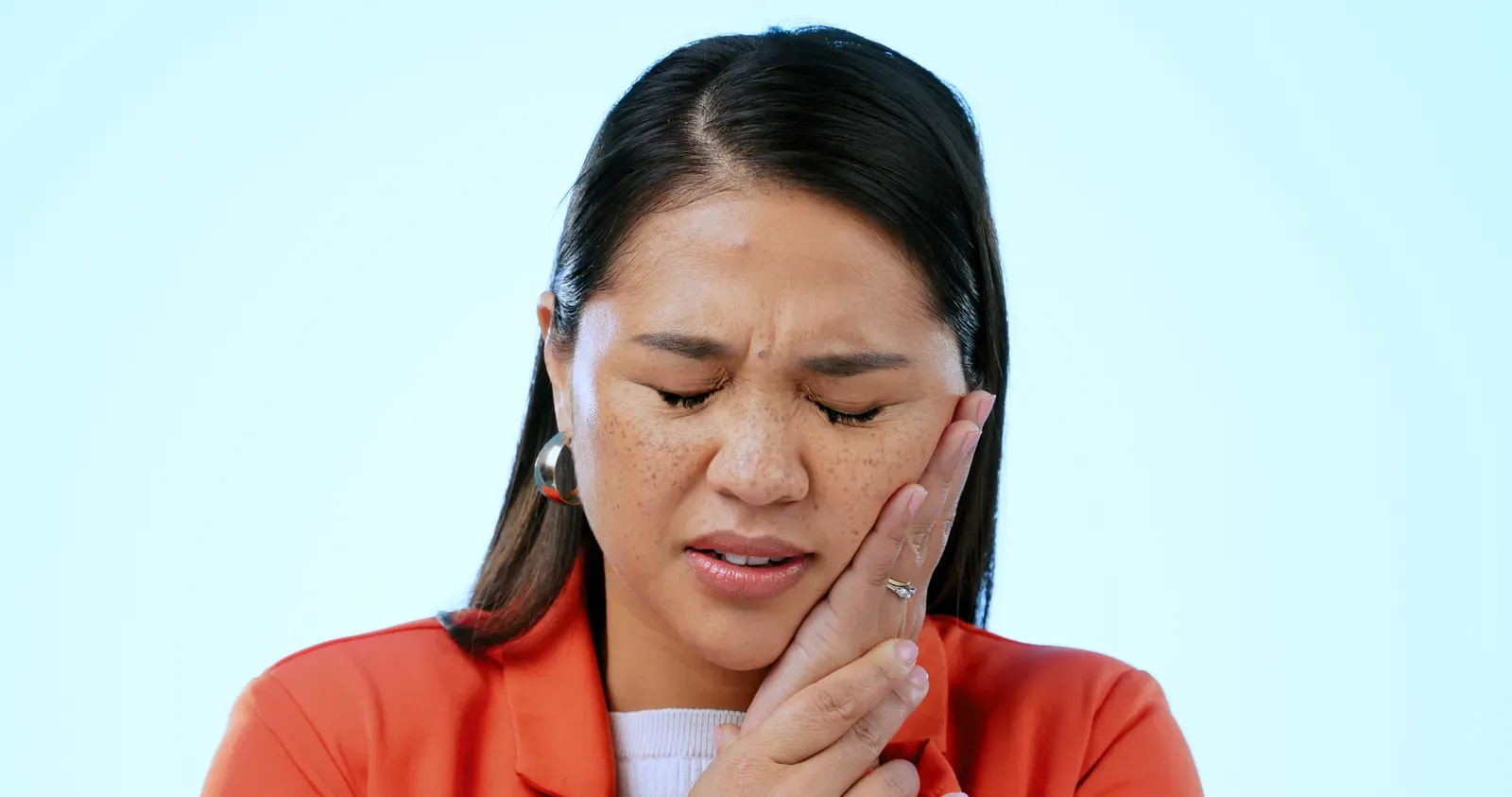
A cracked tooth at a backyard barbecue. A throbbing jaw that wakes you up at 2 a.m. A knocked-out tooth after a fall on the sidewalk. Dental emergencies rarely announce themselves ahead of time, and when they happen, the panic that follows can make it hard to think clearly about what to do next.
That confusion is exactly what this guide is meant to clear up. Knowing the right first steps in the minutes after a dental injury or sudden pain can mean the difference between saving a tooth and losing it, between a quick fix and a complicated repair down the road. At Sahara Family Dental in Montebello, we see these situations regularly, and we've learned that patients who know what to do while they're calling us almost always end up with better outcomes.
This article walks through how to recognize a true dental emergency, what to do at home before you can get to our office, and how our team handles urgent care when you call. Whether you're dealing with a current situation or just want to be prepared, the information below is meant to be practical, calm, and genuinely useful.
What Actually Counts as a Dental Emergency?
Not every dental problem requires dropping everything and rushing to an emergency line, but a surprising number of patients wait too long because they aren't sure whether their situation qualifies. A good rule of thumb: if you're dealing with uncontrolled bleeding, severe pain that over-the-counter medication doesn't touch, visible swelling in your face or jaw, or a tooth that's been knocked loose or completely out, you're looking at a true emergency that needs same-day attention.
There's also a middle category of problems that feel urgent but can usually wait a day or two without serious consequences, as long as you manage them properly in the meantime. A lost filling, a small chip that isn't causing pain, or mild sensitivity to cold often falls here. The key is paying attention to how the situation changes. Pain that gets progressively worse, swelling that spreads, or a fever accompanying a dental problem are all signs that what seemed minor has become urgent.
We'd rather you call and describe your symptoms than guess wrong in either direction. Our team is trained to ask the right questions over the phone so we can tell you honestly whether you need to come in right away, come in later today, or can be seen at your next available opening. That phone triage is part of what makes emergency care at our Montebello office less stressful than trying to figure it out alone.
A Knocked-Out Tooth: Every Minute Matters
A fully knocked-out, or avulsed, tooth is one of the most time-sensitive dental emergencies there is. The periodontal ligament fibers that hold a tooth root in place begin to dry out and die within minutes of exposure to air, and the chances of successfully reimplanting the tooth drop sharply after about 30 to 60 minutes outside the mouth. That's why what you do in the first few minutes matters more than almost anything else in this entire article.
Pick the tooth up by the crown, the white part you normally see when someone smiles, and never touch the root. If it's dirty, rinse it gently with milk or saline, never tap water, which can damage the delicate root surface cells. If you're able to, and the person is calm and cooperative, try gently placing the tooth back into its socket and biting down softly on a clean cloth to hold it in place while you head to our office.
If reinserting it isn't realistic, the next best option is to keep the tooth moist, either tucked inside the cheek (for an adult who won't swallow it) or submerged in a small container of milk, which has the right pH and osmotic balance to preserve the root cells far better than water. Call us immediately; we keep slots open specifically for this kind of emergency because we know the clock is running.
A Note on Baby Teeth
If a child's baby tooth is knocked out, do not attempt to reinsert it. Reimplanting a primary tooth can damage the developing permanent tooth underneath. Still call us right away; we'll want to check that nothing else was injured and advise you on managing the gap until the adult tooth is ready to come in.
Severe Toothache: What It's Telling You
A toothache that comes on suddenly and intensely is rarely a mystery your body is keeping to itself; it's usually a sign that decay has reached the nerve, an infection has set in, or a crack has exposed sensitive inner layers of the tooth. The pain itself is your nervous system's way of saying something structural has gone wrong, and that it needs more than ibuprofen to actually resolve.
Throbbing pain that worsens when you lie down, pain that radiates to your ear or jaw, or a toothache paired with swelling and a bad taste in your mouth often points toward an abscess, a pocket of infection at the root of the tooth. Left untreated, an abscess can spread into the jawbone, the neck, or in rare but serious cases, the bloodstream. This is not a situation to wait out over the weekend hoping it improves on its own.
When you come in for a severe toothache, we start with a clinical exam and usually a digital X-ray to see exactly what's happening beneath the surface. Depending on what we find, treatment might mean a root canal to remove infected tissue and save the tooth, drainage of an abscess combined with antibiotics, or in cases where the tooth truly can't be saved, an extraction followed by a conversation about replacement options. The goal at every step is relieving your pain first and then addressing the underlying cause so it doesn't come back.
Broken or Chipped Teeth and Lost Restorations
Biting into something harder than expected, a fall, or a blow during sports can crack, chip, or fracture a tooth in an instant. How urgently it needs attention depends mostly on whether the inner pulp, the living tissue inside the tooth, has been exposed. A small cosmetic chip with no pain can usually wait for a regular appointment, but a break that exposes pink tissue, causes sharp pain with air or temperature, or leaves a jagged edge that's cutting your tongue or cheek needs same-day care.
Losing a crown or filling is another common "is this an emergency?" moment. The tooth underneath a lost restoration is often more vulnerable to decay, sensitivity, and further breakage because it's missing the protective layer it was built around. While it may not hurt immediately, we generally recommend getting it looked at within a few days rather than letting the exposed tooth structure sit unprotected for weeks.
- Save any broken pieces: if you can find the fragment of a chipped or broken tooth, bring it with you; we can sometimes bond it back in place.
- Rinse gently with warm water: this clears debris without irritating the injured area further.
- Cover sharp edges temporarily: sugar-free gum or dental wax from a pharmacy can protect your tongue and cheek until you're seen.
- Avoid extreme temperatures: very hot or cold food and drink can trigger sharp pain in a tooth with exposed inner layers.
First Aid You Can Do at Home Right Now
While you're arranging to get to our office, there's a fair amount you can do at home to manage pain and prevent a situation from getting worse. A cold compress held against the outside of your cheek, in 15 to 20 minute intervals, reduces swelling and dulls pain for most injuries involving trauma or impact. For a toothache without visible swelling, rinsing with warm salt water (about half a teaspoon of salt in a cup of warm water) helps clean the area and can ease discomfort temporarily.
Over-the-counter pain relievers like ibuprofen or acetaminophen, taken according to package instructions, are appropriate for managing pain in the short term. One thing we'd ask you to avoid: never place aspirin directly against the gum or tooth. It's a myth that this helps, and in reality the acid in aspirin can burn and irritate soft tissue, making things worse rather than better.
If there's bleeding from a soft tissue injury inside the mouth, apply firm, steady pressure with a clean piece of gauze or a damp tea bag for about 10 to 15 minutes. Most minor bleeding from the gums or cheek stops on its own with pressure. If bleeding is heavy, doesn't stop after 15 minutes of direct pressure, or is accompanied by a deep cut, that's a signal to seek urgent medical or dental attention rather than continuing to wait it out at home.
What Happens When You Call Sahara Family Dental
When a patient calls us with a dental emergency, the first thing we do is listen. We'll ask about your symptoms, how the injury happened, how long it's been going on, and whether you're experiencing swelling, fever, or bleeding. This isn't just paperwork; it helps us prepare the right equipment and the right member of our team before you even walk through the door, which saves you time once you arrive.
We keep room in our daily schedule specifically for urgent cases, because we know dental pain doesn't wait politely for an opening three weeks out. Depending on severity, we'll either get you in that same day or, for genuine after-hours emergencies, walk you through immediate steps over the phone and get you in first thing when we open. Our goal is always to see you as quickly as your situation requires, not to make you wait through a standard booking process while you're in pain.
Once you're in the chair, we focus first on stabilizing pain and addressing the immediate problem, whether that's a root canal, an extraction, reattaching a knocked-out tooth, or repairing a fracture. From there, we talk through longer-term options together, whether that means a crown, a bridge, an implant, or simply a follow-up visit to make sure healing is on track. Patients who've been through a dental emergency with us often tell us the most reassuring part wasn't just the treatment itself, but having a team that explained what was happening and why, every step of the way.
Key Takeaways
- Time is critical with a knocked-out tooth; keep it moist in milk or your cheek and get to us within 30 to 60 minutes if possible.
- Severe, worsening pain, swelling, or fever with a toothache usually signals infection and needs same-day care, not a wait-and-see approach.
- Never place aspirin on the gum, and avoid tap water on a knocked-out tooth; both can do more harm than good.
- Save broken tooth fragments and lost restorations; bringing them with you can sometimes make repair faster and simpler.
- Calling first helps our Montebello team prepare for your visit and get you seen as quickly as your situation requires.
Frequently Asked Questions
How do I know if my toothache is a real emergency?
If the pain is severe, doesn't respond to over-the-counter medication, or comes with swelling, fever, or a bad taste in your mouth, treat it as an emergency and call us right away. Mild, intermittent sensitivity without swelling can usually wait for a regular appointment, but it's always fine to call and describe your symptoms so we can help you decide.
Can a knocked-out tooth really be saved?
Yes, in many cases, especially if it's handled correctly and reimplanted within about 30 to 60 minutes. Keeping the tooth moist in milk or saline, handling it only by the crown, and getting to our office quickly all meaningfully improve the chances of a successful outcome.
What if my dental emergency happens outside office hours?
Call us anyway. We can walk you through immediate first aid over the phone, help you decide whether you need urgent medical care right away, and get you into our Montebello office as soon as possible, often first thing the next morning.
Is it safe to take ibuprofen before my emergency appointment?
For most adults without medical restrictions, ibuprofen or acetaminophen taken as directed on the package is a safe way to manage pain and reduce swelling before you're seen. Let our team know what and how much you've taken when you arrive, and always check with your physician first if you have any underlying health conditions.
What should I do if my child chips a tooth playing sports?
Rinse the area gently with water, apply a cold compress to reduce swelling, and save any broken piece if you can find it. Call us promptly; even if the chip looks minor, we'll want to check that the nerve wasn't affected and that no other teeth were jarred loose in the impact.
When in Doubt, Make the Call
Dental emergencies are stressful precisely because they're unexpected, but most of them respond well to prompt, informed action. Knowing how to handle the first few minutes, whether that's preserving a knocked-out tooth, managing a sudden toothache, or protecting a sharp edge from a broken restoration, puts you in a far better position by the time you reach a dentist's chair.
Our team at Sahara Family Dental has built our schedule and our approach around the reality that dental pain and trauma don't operate on a convenient timeline. If something feels wrong with your teeth or your mouth, trust that instinct and reach out. We'd much rather talk you through a situation that turns out to be minor than have you wait through one that genuinely needed attention sooner.