
Learn how dental fillings treat cavities, which materials last longest, and what to expect at Sahara Family Dental in Montebello. Book your visit today!
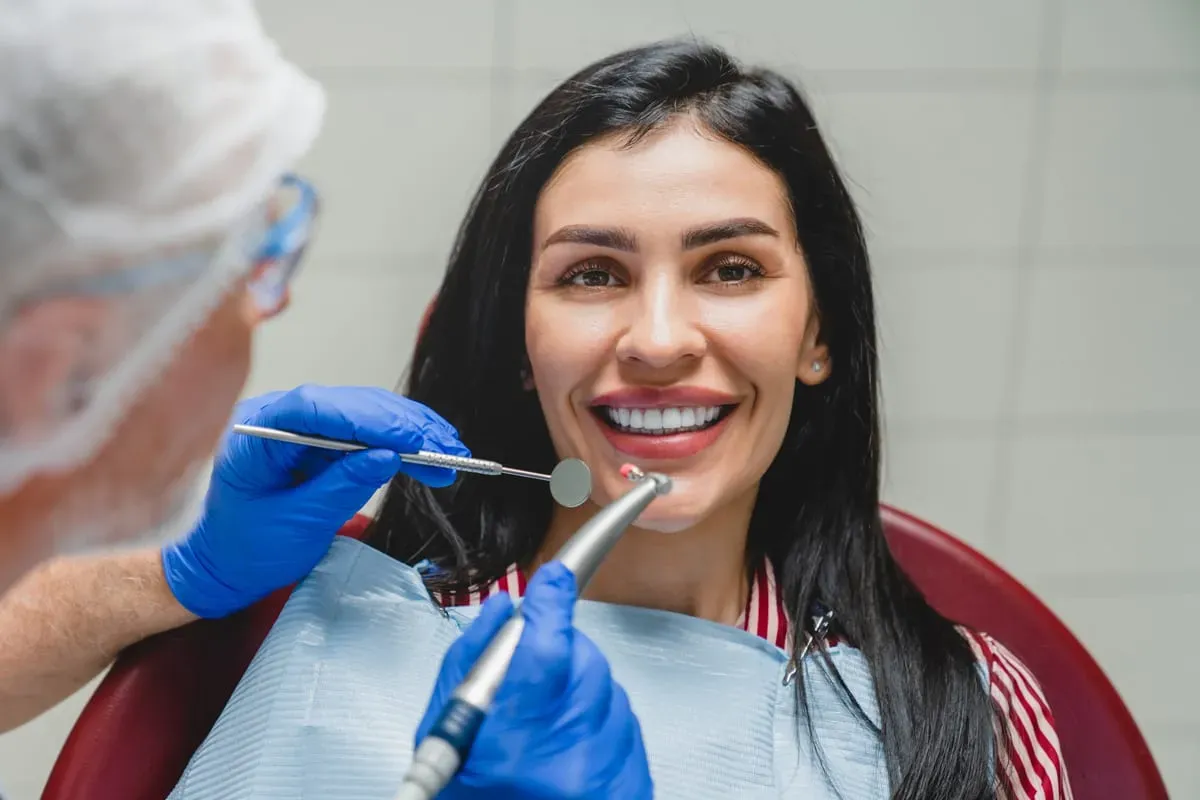
Few words in dentistry cause as much quiet dread as "you have a cavity." But here's the good news: cavities are one of the most common, most treatable problems in dentistry, and a dental filling is often a quick, comfortable fix that stops decay in its tracks before it turns into something more painful and expensive. Understanding how fillings work takes a lot of the mystery - and the anxiety - out of the process.
At Sahara Family Dental in Montebello, we place fillings nearly every day, and we've noticed that patients who understand what's happening in the chair tend to feel calmer, ask better questions, and take better care of their teeth afterward. This guide walks through what causes cavities, the different types of filling materials available today, what the actual appointment looks like, and how to make a filling last for years rather than months.
Whether you just got a diagnosis at your last checkup or you're simply curious about what fillings involve before a problem ever comes up, this article covers the practical details you actually need.
A cavity is simply a hole caused by tooth decay - the result of acids produced by oral bacteria slowly dissolving the hard enamel and dentin that make up your tooth. Once that protective layer is breached, there's no way for your body to rebuild it on its own. Unlike a cut on your skin, enamel doesn't regenerate, so what starts as a tiny, often painless spot will keep growing until it's treated.
This is why we always recommend filling a cavity as soon as it's diagnosed, even if it doesn't hurt yet. A small cavity caught early usually means a small, straightforward filling. Left untreated, that same spot can work its way toward the nerve inside the tooth, leading to sensitivity, infection, or an abscess that requires root canal therapy or even extraction. In other words, the filling you might be putting off today is almost always simpler and less expensive than the treatment you'll need if you wait.
There's also a structural reason to act quickly. Decay doesn't just sit still - it spreads along the natural grain of the tooth and can hollow out areas that look fine from the surface. A filling placed while the damage is still contained preserves far more of your natural tooth structure than one placed after the decay has had months or years to spread.
Not all fillings are made of the same material, and the right choice depends on where the cavity is, how large it is, your bite, and your personal preference about appearance. At Sahara Family Dental, we talk through these options with every patient so the decision feels informed rather than automatic.
For most patients, composite resin is our go-to recommendation because it bonds chemically to the tooth, requires removing less healthy structure than older materials, and looks indistinguishable from a natural tooth. We'll always explain the trade-offs for your specific situation before moving forward, so you're choosing the material, not just accepting whatever is fastest for us.
Most filling appointments at our Montebello office take between 30 and 60 minutes, depending on the size and location of the cavity. The process is far less involved than people expect, and local anesthetic means you shouldn't feel pain during the procedure itself - just some pressure and vibration.
First, we numb the area around the affected tooth with a local anesthetic so you're comfortable throughout. Once the tooth is numb, we carefully remove the decayed portion using a dental drill or, for smaller cavities, a precise laser or air-abrasion tool. Removing every trace of decay is critical - leaving any behind allows the cavity to continue spreading underneath the new filling.
After the decay is cleared out, we clean and dry the space, then shape and place the chosen filling material directly into the tooth. With composite resin, we apply the material in thin layers and harden each one with a curing light, then shape it to match your natural bite before polishing it smooth. We'll check your bite with articulating paper to confirm the filling sits correctly, and make small adjustments if it feels even slightly high.
Numbness typically wears off within two to four hours. Mild sensitivity to hot, cold, or pressure for a few days afterward is normal and usually fades on its own as the tooth settles. If sensitivity lingers beyond a week or sharpens into real pain, that's worth a call to our office so we can check the bite and rule out any deeper issue.
Cavities are sneaky. Many don't cause any noticeable pain until they've grown fairly large, which is exactly why routine checkups and X-rays matter so much - we can often spot decay visually or on film long before you'd feel it. Still, there are symptoms worth paying attention to between visits.
A sharp or lingering sensitivity to sweets, hot drinks, or cold air is often one of the earliest warning signs. You might also notice a visible dark spot, a rough patch on a tooth's surface that your tongue keeps finding, or food that consistently gets stuck in the same spot no matter how carefully you floss. Occasionally, a filling or old restoration will feel like it's cracked or has a small chip, which also calls for an evaluation.
None of these symptoms are something to wait out. If you notice any of them, scheduling an exam sooner rather than later keeps your treatment options simple and your cost lower. And if you're not noticing anything at all, that's exactly what regular six-month visits are for - catching the cavities you can't feel yet.
A well-placed filling, cared for properly, can last anywhere from 7 to 15 years or longer, depending on the material and location. Composite fillings on front teeth or low-pressure areas often last the longest, while fillings on chewing surfaces of back molars face more wear and may need attention sooner.
The single biggest factor in how long a filling lasts isn't the material - it's how well you care for the whole tooth around it. A filling doesn't make a tooth immune to new decay; it just repairs the damage that already happened. The same brushing, flossing, and dietary habits that prevented the original cavity are what protect the tooth going forward.
A few habits make a real difference in a filling's lifespan. Avoid chewing ice or using your teeth to open packaging, since sudden force is one of the most common reasons fillings crack or chip. If you grind your teeth at night, ask us about a custom nightguard - nighttime grinding puts enormous, repetitive pressure on fillings and can wear them down years ahead of schedule. Keep up with twice-daily brushing with a fluoride toothpaste and daily flossing, since new decay can form right at the edge of an existing filling if plaque is allowed to build up there. And don't skip your six-month cleanings - we check every filling at each visit for early signs of wear, leakage, or a developing gap at the margin, which is far easier to address early than after it's caused new decay underneath.
Fillings don't last forever, and part of our job at every checkup is evaluating whether existing restorations are still doing their job. Over years of chewing, temperature changes, and normal wear, the seal between a filling and the surrounding tooth can start to break down - even if the filling itself still looks intact to you.
Once that seal weakens, tiny gaps let saliva, bacteria, and food particles seep underneath the filling, creating the perfect environment for a new cavity to form in a spot you can't see or feel. This is sometimes called "recurrent decay," and it's one of the most common reasons older fillings eventually need to be replaced rather than simply left in place. Cracked, chipped, or discolored fillings are other common red flags, along with the older silver amalgam fillings many adults still have from childhood, which some patients choose to replace with tooth-colored composite for both appearance and a tighter seal.
We use visual exams, digital X-rays, and sometimes a dental explorer to check the margins of your existing fillings at every visit. If we spot an issue, we'll explain exactly what we're seeing and why it matters, rather than simply recommending replacement without context. In many cases, a filling that's still sound can safely be monitored for another year rather than replaced immediately - we only recommend treatment when it genuinely protects your long-term oral health.
No, the procedure itself shouldn't hurt. We numb the area with local anesthetic before removing any decay, so most patients feel pressure or vibration at most. Some mild soreness or sensitivity once the numbness wears off is common and typically resolves within a few days.
If you received composite resin, the material hardens immediately under the curing light, so you can eat as soon as the numbness wears off, usually a couple of hours. If you received an amalgam filling, we generally recommend waiting about 24 hours before chewing on that side to let it fully set.
It's uncommon but possible, especially with older fillings or ones weakened by decay underneath. If a filling feels loose, chips, or falls out entirely, call our office as soon as possible - the exposed tooth is vulnerable to further decay and sensitivity until it's repaired.
Modern composite materials have improved significantly and hold up well for most situations, including moderate chewing pressure. For very large cavities on back molars that handle heavy biting force, amalgam or a ceramic inlay may still be the more durable choice, which we'll discuss based on your specific case.
Yes, replacing an amalgam filling with composite resin is a routine, safe procedure. Many patients choose to do this for cosmetic reasons or because the old filling is showing wear, and we take precautions during removal to protect your comfort and safety throughout.
Fillings are one of the most routine procedures in dentistry, but what they protect is anything but small. A timely filling preserves your natural tooth, prevents pain, and heads off far more complicated and costly treatment down the road. The key is catching decay early and choosing a material and approach suited to your specific tooth and your bite.
If it's been a while since your last checkup, or if you've noticed sensitivity, a rough spot, or discomfort you've been putting off, our team at Sahara Family Dental in Montebello is ready to take a look. We'll walk you through exactly what we see, explain your options clearly, and get your tooth back to full health with as little disruption to your day as possible.
Interested in the topics discussed in this guide? Explore our specialized treatments and services.
 Service
Your Smile Awaits
Schedule your visit with Sahara Family Dental today and experience gentle, modern care for your whole family.
 433 N 4th St #210, Montebello, CA 90640, United States
 (323) 888-1030

