433 N 4th St #210, Montebello, CA 90640, United States
 (323) 888-1030




If you have been living with a missing tooth, a loose denture, or a bridge that never quite feels right, you have probably come across the term "dental implant" more than once. It gets mentioned so often in dentistry that it can start to sound like a buzzword rather than an actual medical solution. But dental implants are one of the most studied and reliable treatments in modern dentistry, with documented success rates above 95 percent in healthy patients over a ten-year period.
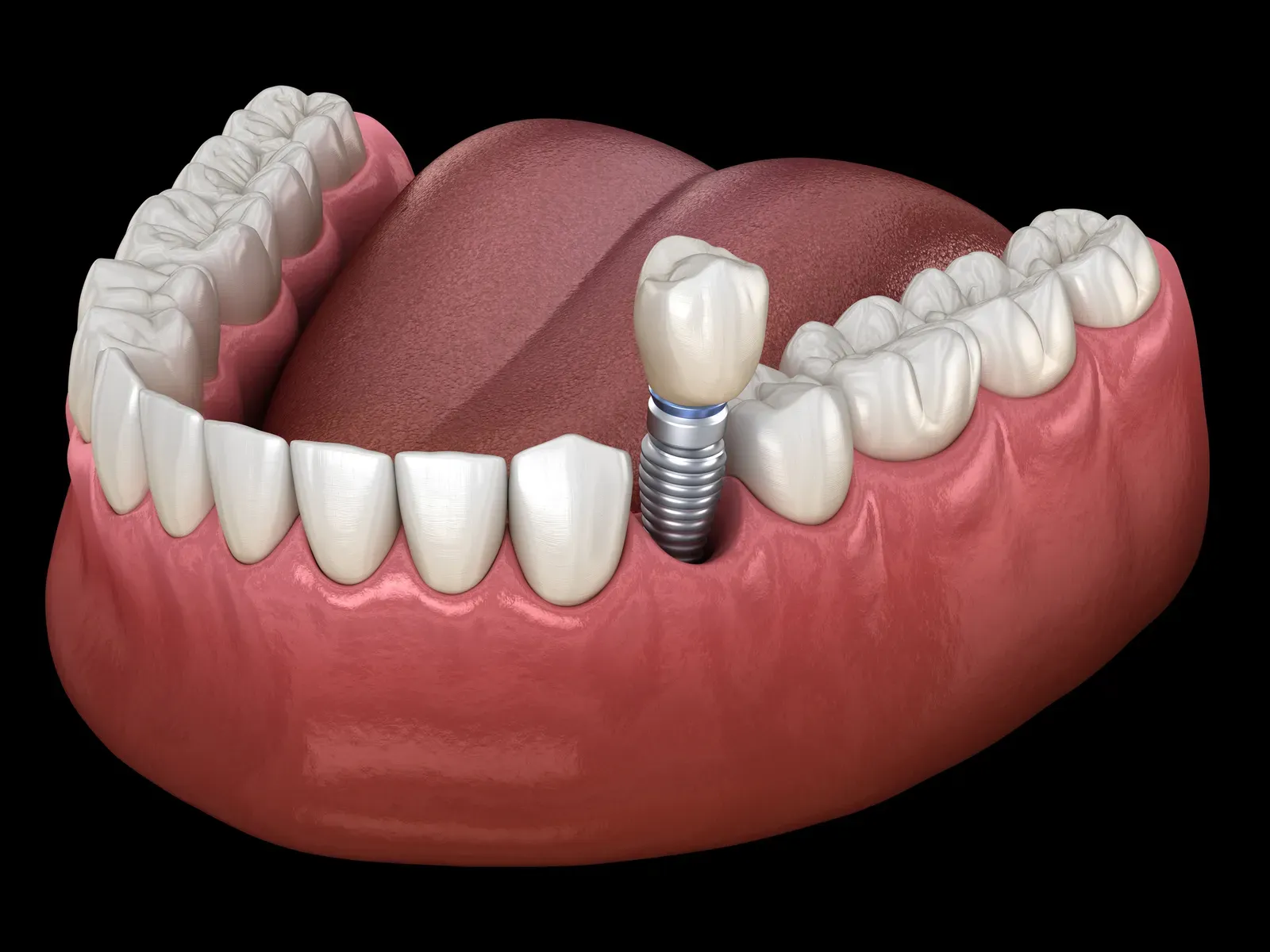
What makes implants different from other tooth-replacement options is simple: they replace the root, not just the visible crown. A denture sits on top of your gums. A bridge relies on neighboring teeth for support. An implant, on the other hand, is anchored directly into your jawbone, which means it functions, feels, and lasts more like a natural tooth than any other option available today.
At Sahara Family Dental in Montebello, we talk with patients about implants nearly every week, and the same questions come up again and again: How much will it cost? Does it hurt? How long does it take to heal? This guide answers those questions honestly, so you can walk into a consultation already informed and ready to ask the right follow-up questions.
How Dental Implants Actually Work
A dental implant has three parts: a titanium post that replaces the tooth root, an abutment that connects the post to the visible tooth, and a custom crown that sits on top. The titanium post is placed directly into the jawbone during a minor surgical procedure. Over the following weeks, your bone actually fuses to the titanium in a process called osseointegration, which is the reason implants feel so stable and secure once they have healed.
This fusion is also what sets implants apart from every other replacement option. Dentures and bridges sit above the gumline and do nothing to stimulate the jawbone underneath. Without that stimulation, the bone where a tooth used to be will gradually shrink, which is why people who wear dentures for many years often notice their jaw changing shape over time. An implant, because it behaves like a real root, keeps that bone active and healthy.
Titanium was chosen for implants decades ago because the body does not recognize it as a foreign object the way it does with most other materials. It is biocompatible, strong enough to withstand the forces of chewing, and resistant to corrosion in the moist environment of your mouth. Some patients today also opt for zirconia implants, a tooth-colored ceramic alternative, though titanium remains the more widely used and longest-studied option.
Who Is a Good Candidate for Implants?
Most healthy adults missing one or more teeth are reasonable candidates for implants, but a few factors matter a great deal to the outcome. The most important is bone density. Because the implant needs enough solid jawbone to anchor into, patients who have been missing a tooth for several years sometimes need a bone graft first to rebuild that foundation before the implant can be placed.
Gum health is the second major factor. Active gum disease needs to be treated and stabilized before an implant goes in, since healthy gum tissue is essential for the implant to heal properly and stay infection-free long term. Certain health conditions, like uncontrolled diabetes, and habits like heavy smoking, can also slow healing and increase the risk of implant failure, so we review your full medical history carefully during a consultation.
Situations where implants make the most sense
- A single missing tooth: rather than grinding down two healthy neighboring teeth for a bridge, an implant replaces just the one tooth without affecting the others.
- Multiple missing teeth in a row: implant-supported bridges can replace several teeth using just two or three implant posts for support.
- Loose or uncomfortable dentures: implant-supported dentures snap securely onto a small number of implants, eliminating slipping and the need for adhesive.
- Full-mouth tooth loss: options like All-on-4 use four to six implants per arch to support an entire set of replacement teeth.
The Implant Process, Step by Step
Getting an implant is not a single appointment; it is a process that typically unfolds over three to six months, depending on your healing and whether any preparatory work is needed. Understanding each stage ahead of time takes a lot of the anxiety out of the experience.
The first stage is the consultation and planning phase. We take detailed X-rays or a 3D scan of your jaw to measure bone density and map out exactly where the implant should go to avoid nerves, sinuses, and other structures. This is also when we discuss whether a bone graft or sinus lift is needed, which can add several months to the overall timeline but gives the implant a much stronger foundation.
Next comes the surgical placement itself. Using local anesthesia (and sedation options for anxious patients), the titanium post is placed into the jawbone. Most patients are surprised by how straightforward this part is; it is usually less uncomfortable than a tooth extraction. After placement, a healing period of three to six months allows osseointegration to occur. Once your bone has fully bonded to the implant, we attach the abutment and take impressions for your final crown, which is custom-made to match the color, shape, and bite of your natural teeth.
What Recovery Actually Feels Like
Recovery from implant surgery is far less dramatic than most people expect. The first 48 to 72 hours involve some swelling, mild bruising, and tenderness around the surgical site, similar to what you would feel after a tooth extraction. Over-the-counter pain relievers are usually enough to manage the discomfort, though we can prescribe something stronger if needed for the first day or two.
Most patients return to work or normal routines within two to three days. Soft foods, lukewarm liquids, and avoiding the surgical site when chewing are important during the first week, but you are not confined to a liquid diet the way some assume. By the two-week mark, the surgical site has typically closed and healed on the surface, even though the deeper bone-to-implant fusion is still taking place underneath for several more months.
That underlying healing process, osseointegration, is the part that cannot be rushed. It takes three to six months in the lower jaw and sometimes slightly longer in the upper jaw, where bone tends to be softer. We schedule check-in visits throughout this period to confirm everything is progressing well before moving forward with the permanent crown. Patience during this stage is what gives the implant its long-term strength.
What Determines the Cost of an Implant?
Cost is usually the first question patients ask, and it is a fair one. A single implant, including the post, abutment, and crown, commonly ranges from $3,000 to $5,000, though the final number depends heavily on your specific situation. Patients considering implants should think of the quote as covering a full treatment plan rather than a single procedure, since several variables factor into the total.
Preparatory treatments like bone grafting or a sinus lift add to the cost but are sometimes necessary to give the implant a stable foundation. The type of crown material, the complexity of your case, and whether you need multiple implants to support a bridge or denture all shift the final price as well. Many dental insurance plans now cover at least part of implant treatment, particularly when it is deemed medically necessary rather than purely cosmetic, so it is worth checking your benefits before assuming the full cost is out of pocket.
It helps to compare the cost against the alternative. A bridge or partial denture typically needs replacement every seven to ten years, meaning the cost can actually add up to more than an implant over a couple of decades. Implants, when cared for properly, are designed to last for the rest of your life. That long-term value is a big reason so many patients choose implants even when the upfront cost is higher than other options.
Caring for Your Implant Long-Term
One of the most appealing things about implants is how little special care they actually require once healed. You brush and floss an implant crown the same way you would a natural tooth; there is no soaking, no adhesive, and no removing it at night. That said, the gum tissue and bone around an implant can still develop a condition called peri-implantitis, which is essentially gum disease around an implant, if plaque is allowed to build up along the gumline.
Routine dental checkups remain essential even after your implant has fully healed. During these visits, we check the stability of the implant, examine the surrounding gum tissue, and take periodic X-rays to confirm the bone around it stays healthy. Catching early signs of inflammation before they progress is far easier than treating an established infection around an implant.
Grinding or clenching your teeth at night is another factor worth mentioning to your dentist, since excessive force can put stress on an implant crown over time. A simple night guard can protect both your natural teeth and any implants from this kind of wear. With consistent hygiene and regular visits, there is no reason a well-placed implant should not serve you for decades.
Key Takeaways
- Implants replace the tooth root, not just the crown, which keeps your jawbone healthy and stops bone loss over time.
- Good candidates need adequate bone density and healthy gums; bone grafting can address density issues before placement.
- The full process, including healing, usually takes three to six months from placement to final crown.
- Costs typically range from $3,000 to $5,000 per implant, but the long-term value often exceeds bridges or dentures.
- Daily brushing, flossing, and regular dental checkups are all it takes to keep an implant healthy for life.
Frequently Asked Questions
Does getting a dental implant hurt?
The procedure itself is performed under local anesthesia, so you should not feel pain during placement. Afterward, most patients describe mild soreness and swelling for a few days, comparable to recovering from a tooth extraction, and it is usually managed well with over-the-counter pain relievers.
How long do dental implants actually last?
The titanium post itself is designed to last a lifetime once it has fused with your jawbone. The crown on top, which experiences daily wear from chewing, typically lasts 10 to 15 years before it may need replacement, similar to a natural tooth's enamel wearing over time.
Am I too old to get a dental implant?
There is no upper age limit for implants. What matters more than age is overall health, bone density, and healthy gum tissue. We have placed implants successfully in patients well into their eighties, as long as they are in reasonably good general health.
What happens if I don't have enough jawbone for an implant?
A bone graft can rebuild the area, using either your own bone, donor bone, or synthetic bone material, and then be left to heal for a few months before the implant is placed. This is a routine part of implant dentistry and does not disqualify you from eventually getting an implant.
Can one implant support more than one missing tooth?
Yes, in certain cases. An implant-supported bridge uses two or three strategically placed implants to anchor a row of three or more replacement teeth, which is often more cost-effective than placing an individual implant for every single missing tooth.
Is a Dental Implant Right for You?
Dental implants are not the right solution for absolutely every patient, but for most people missing one or more teeth, they offer a level of stability, function, and longevity that other options simply cannot match. The process takes time and does require some planning, but the payoff is a replacement tooth that looks natural, feels secure, and supports the health of your jawbone for years to come.
At Sahara Family Dental, we walk every patient through a thorough evaluation before recommending implants, so you know exactly what to expect from cost to recovery before you commit to treatment. If you have been putting off dealing with a missing tooth, the best next step is a conversation with our team about whether implants make sense for your particular situation.