
Learn how dental sealants protect molars from decay, who benefits most, and what to expect at your visit. Call Sahara Family Dental to book today!
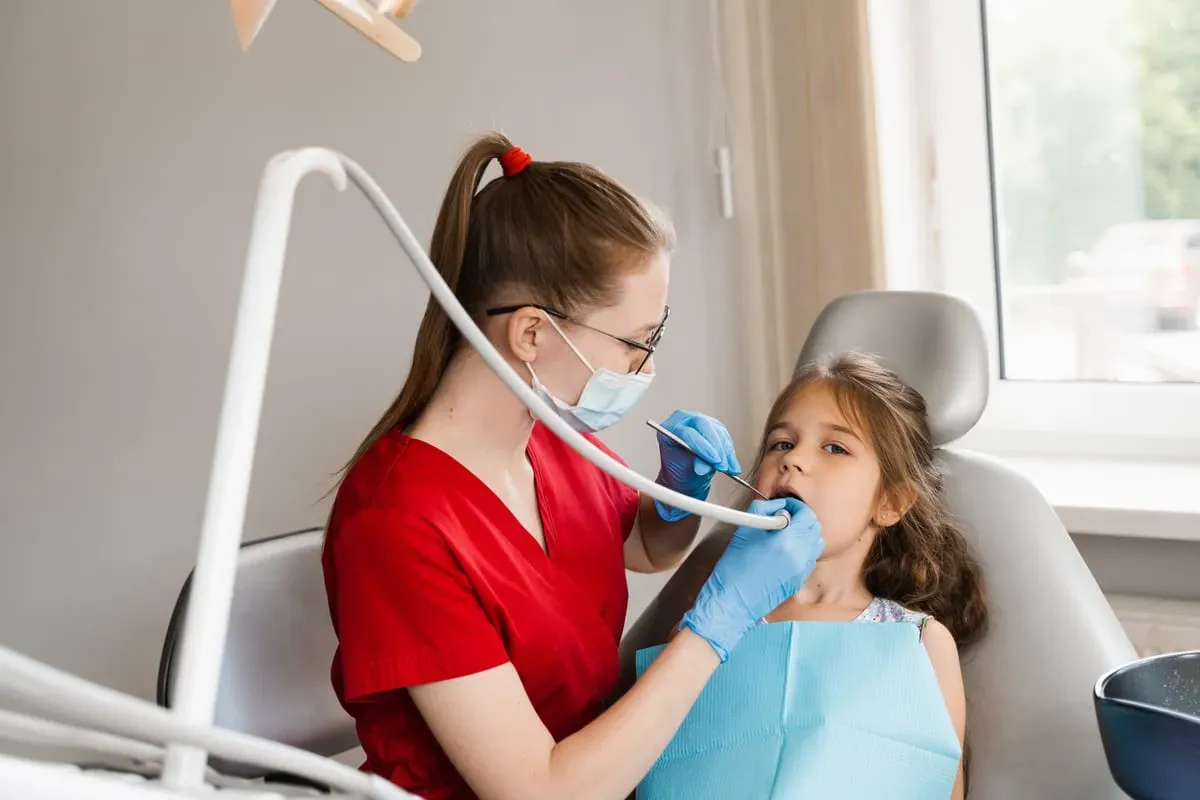
If you have ever run your tongue along the chewing surface of your back teeth, you have probably noticed something interesting: it is not smooth. Molars and premolars are covered in tiny grooves and pits, called fissures, that help you grind up food. Unfortunately, those same grooves are also perfect hiding spots for food particles, plaque, and the bacteria that cause cavities. A toothbrush bristle simply cannot reach deep enough into many of these crevices to clean them out completely, no matter how diligent you are about brushing twice a day.
That is where dental sealants come in. This thin, protective coating has been used in dentistry for decades, and it remains one of the most effective, affordable, and painless ways to prevent tooth decay, particularly in children and teenagers whose permanent molars are still new to the daily grind of chewing. Sealants are not a replacement for brushing, flossing, or regular checkups, but they add an extra layer of defense exactly where cavities are most likely to start.
At Sahara Family Dental, we talk with parents and patients about sealants often, because so many cavities we see in molars could have been avoided with this simple, quick procedure. In this guide, we will walk through how sealants work, who benefits most, what the appointment actually looks like, and how to care for them once they are in place, so you can make an informed decision for yourself or your child.
A dental sealant is a thin coating, usually made of a tooth-colored or clear resin material, that your dentist paints directly onto the chewing surfaces of your back teeth. Once applied, it flows into the natural grooves and pits of the molars and premolars, then hardens quickly under a special curing light. The result is a smooth, protective barrier that physically blocks food debris and bacteria from settling into those hard-to-clean crevices.
Think of it like a raincoat for your teeth. The sealant does not change how your tooth functions or feels when you bite down, but it stops moisture, acid, and bacteria from penetrating the enamel in spots where a toothbrush bristle just cannot reach. Because the material bonds directly to the tooth surface, it stays in place through normal chewing, speaking, and daily oral hygiene.
Sealants have been studied extensively for more than 40 years, and research consistently shows they reduce the risk of decay on treated surfaces significantly. They are considered a standard part of preventive dentistry by major dental organizations, and we routinely recommend them as part of a broader general dentistry plan for patients at higher risk of cavities.
Sealants are most commonly associated with children, and for good reason. Permanent molars typically come in around age 6 and again around age 12, and the first few years after a tooth erupts are its most vulnerable window for decay. A child's brushing technique is still developing, and the newly erupted enamel has not fully matured, so sealing those molars as soon as they come in offers a real head start on protection.
That said, sealants are not just for kids. Teenagers who are juggling orthodontic appliances, sports schedules, and less-than-perfect brushing habits often benefit from the extra protection as well. Adults can be good candidates too, especially if their molars have deep grooves and they have never had a cavity in those teeth, or if they are prone to dry mouth, which reduces saliva's natural cavity-fighting effect.
One of the best things about dental sealants is how quick and comfortable the process is. There is no drilling, no numbing shots, and no downtime involved. In most cases, we can apply sealants to several teeth in a single visit, often during a routine checkup, which makes it easy to fit into your family's schedule.
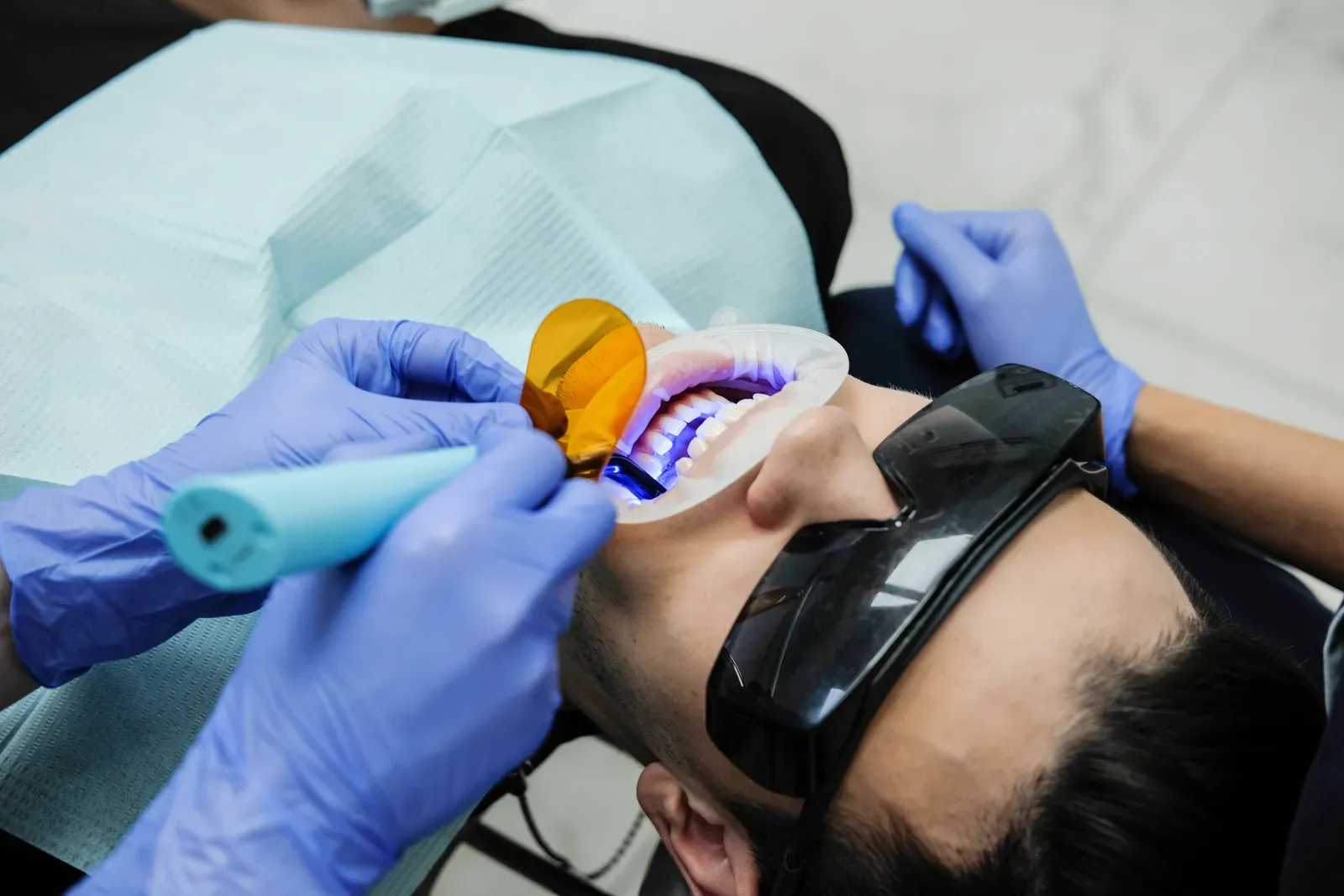
The appointment typically begins with a thorough cleaning of the tooth being treated, followed by drying it completely, since moisture can interfere with how well the sealant bonds. A mild acidic gel is then applied briefly to slightly roughen the enamel surface, which helps the sealant adhere more securely. After rinsing and drying again, your dentist paints the liquid resin into the grooves of the tooth and uses a curing light to harden it in place, usually in less than a minute per tooth.
Once the sealant has hardened, your bite is checked to make sure everything feels comfortable and natural. There is no recovery period. You can eat, drink, and go about your day immediately afterward. For patients who are combining sealants with a broader preventive visit, we often pair this treatment with a routine dental cleaning and exam so the whole appointment covers all the bases at once.
Dental sealants are durable, but they are not permanent. On average, a well-placed sealant can last anywhere from five to ten years, though this varies based on diet, chewing habits, and how consistently they are monitored at checkups. Many sealants hold up for years without any issue at all, quietly doing their job in the background.
Over time, normal wear from chewing, especially on hard foods like ice or hard candy, can cause a sealant to chip or wear thin in spots. This does not usually happen all at once. It tends to be gradual, which is exactly why we check the condition of existing sealants at every routine visit. If a sealant has worn down or come loose in a small area, it can typically be touched up or reapplied without any discomfort.
It is worth noting that a sealant failing or wearing away does not mean the tooth underneath is automatically compromised. Catching a worn sealant early, before decay has a chance to start, is the whole point of staying consistent with your six-month checkups. It is a small, low-effort habit that pays off by avoiding a much bigger, costlier problem down the road, such as needing a filling or, in more advanced cases, restorative work.
It is a common question: if fluoride strengthens enamel and helps prevent cavities, why would you also need sealants? The answer comes down to where each treatment does its best work. Fluoride strengthens the entire tooth surface and helps remineralize enamel that has been weakened by acid exposure, offering broad protection across all your teeth, including the smooth surfaces between them.
Sealants, on the other hand, are a targeted, physical barrier specifically for the deep grooves of molars and premolars, places fluoride alone cannot fully protect because bacteria can still settle into pits too narrow for a fluoride rinse or toothpaste to clean out. Used together, fluoride and sealants cover different vulnerabilities, which is why many dentists recommend both as part of a complete prevention strategy, particularly for growing children.
If your child already struggles with early signs of decay or has a history of cavities, combining sealants with periodic fluoride treatments can meaningfully lower the number of fillings they need over time. This layered approach to prevention is one of the most cost-effective things a family can invest in for long-term oral health.
One of the nice things about sealants is that they do not require any special maintenance routine. You brush and floss exactly as you normally would, and the sealant simply sits there protecting the vulnerable grooves while you go about your regular oral hygiene habits. There is no special toothpaste or extra step needed.
That said, a few sensible habits help sealants last as long as possible. Avoid chewing on very hard items like ice cubes, pen caps, or hard candies, since these can chip the sealant material or even crack the underlying tooth. If you or your child grinds your teeth at night, mention it to us, since nighttime grinding can wear down a sealant faster than normal chewing would. In certain cases, a custom night guard can help protect both your sealants and your natural enamel from the extra wear.
Beyond that, the most important thing you can do is keep up with routine dental visits. We check the condition of every sealant at each exam, looking for any chipping, wear, or early signs that a touch-up might be needed. Catching a small issue early is always easier and more affordable than dealing with a cavity that developed underneath an unnoticed worn spot.
Key Takeaways
No. Applying a sealant does not require drilling, numbing, or any sensation beyond the tooth being cleaned, dried, and painted with the resin material. Most children tolerate the procedure very well, and it is often one of the easiest treatments we perform.
Most dentists recommend sealing the first set of permanent molars as soon as they fully erupt, usually around age 6, and the second set around age 12. Sealing teeth soon after they come in gives maximum protection during their most decay-prone years.
It is rare, but it can happen if decay was already present before the sealant was placed and went undetected, or if the sealant wears down significantly without being noticed. This is exactly why we evaluate every sealant at each checkup, so small problems get caught before they progress.
Many dental insurance plans cover sealants, particularly for children and teenagers, as a preventive benefit. Coverage details vary by provider and plan, so our team is happy to help you check your benefits before your visit.
Sealants are typically applied to the back molars, which are not very visible when you smile or talk, and many materials are tooth-colored or clear. Most patients and parents barely notice them once they are in place.
Cavities in the deep grooves of back teeth are some of the most common and most preventable dental problems we see. Dental sealants address that risk directly, offering a quick, comfortable, and long-lasting layer of protection that works quietly alongside your regular brushing and flossing routine. Whether you are weighing this option for your child's newly erupted molars or considering it for yourself, it is a small investment of time that can meaningfully reduce the chance of needing a filling later on.
Our team at Sahara Family Dental evaluates every patient individually, checking whether sealants make sense based on tooth shape, cavity history, and overall oral health, so the recommendation is always tailored to you or your child's actual needs. If you have been wondering whether sealants are worth it, bringing it up at your next checkup is a good place to start.
Interested in the topics discussed in this guide? Explore our specialized treatments and services.
 Service
Your Smile Awaits
Schedule your visit with Sahara Family Dental today and experience gentle, modern care for your whole family.
 433 N 4th St #210, Montebello, CA 90640, United States
 (323) 888-1030

