433 N 4th St #210, Montebello, CA 90640, United States
 (323) 888-1030



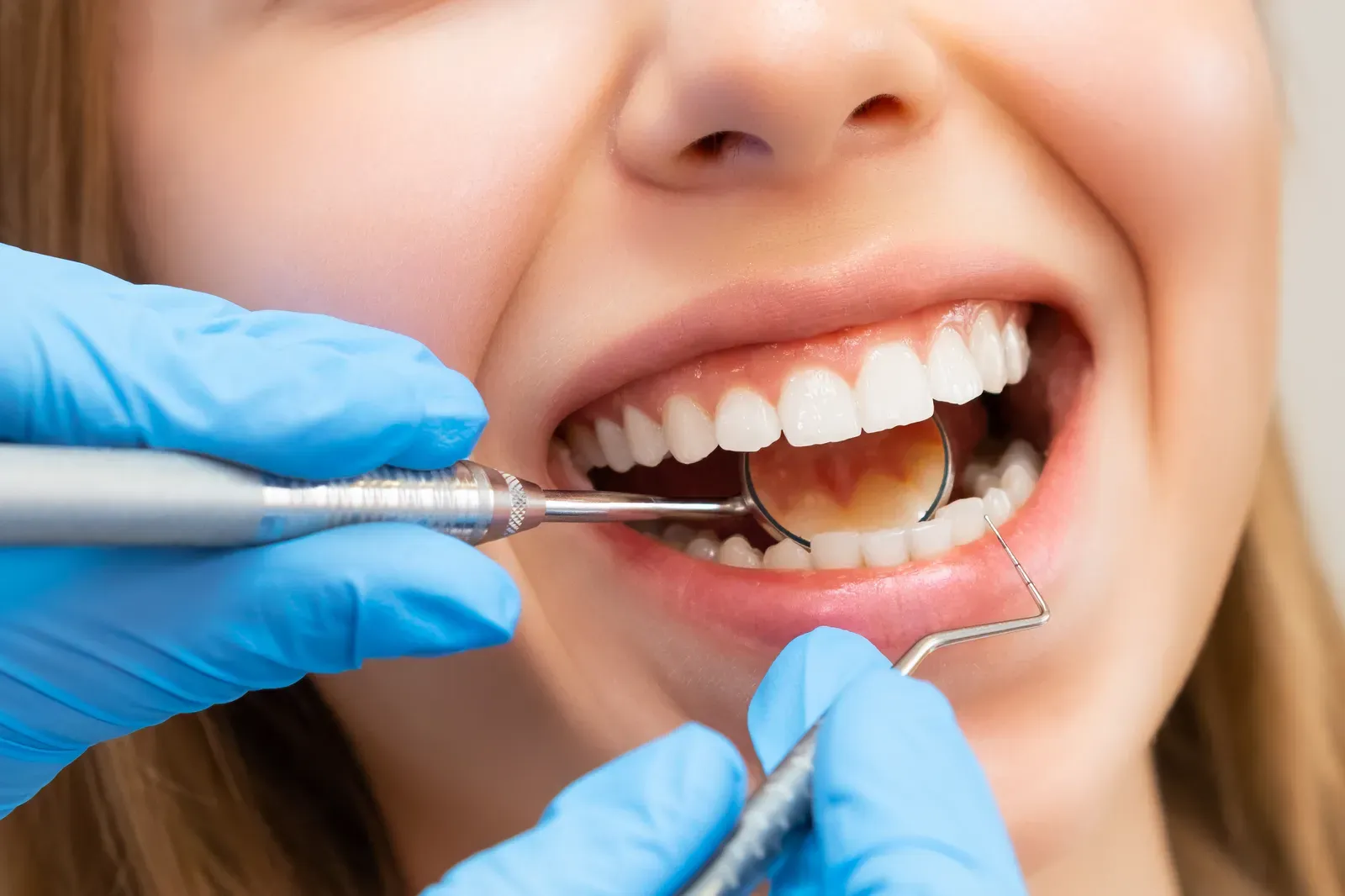
Most people brush their teeth every morning without giving much thought to their gums. Yet gum disease is one of the most common chronic conditions in adults, and it rarely announces itself with pain until it has already done significant damage. By the time many patients notice a problem, the disease has often progressed past its earliest, most treatable stage.
At Sahara Family Dental, we see patients throughout Montebello who are surprised to learn that their occasional bleeding gums or mild bad breath were actually early warning signs they had been overlooking for months, sometimes years. Gum disease is sneaky precisely because it tends to be painless in its beginning stages, which is why understanding what to look for, and what causes it, matters so much.
This guide walks through the practical, real-world information our patients ask about most: what causes gum disease, how to recognize it, what treatment actually involves, and how you can protect your gums for good. Our goal is to give you the knowledge to catch problems early and the confidence to know when it is time to come in for care.
What Actually Causes Gum Disease
Gum disease begins with plaque, the sticky film of bacteria that forms on your teeth throughout the day. When plaque is not removed through regular brushing and flossing, it hardens into tartar, also called calculus, within as little as 24 to 72 hours. Tartar cannot be brushed away at home; it requires a professional dental cleaning to remove.
As plaque and tartar accumulate along the gumline, the bacteria within them release toxins that irritate the gum tissue. Your body responds with inflammation, which is actually your immune system trying to fight off the bacterial invasion. Unfortunately, that inflammatory response, if left unaddressed, starts to break down the connective tissue and eventually the bone that holds your teeth in place.
It is worth noting that gum disease is not purely a hygiene issue. Hormonal changes, certain medications, smoking, and genetics can all make someone more susceptible even when their brushing habits are reasonably good. That is one reason why routine dental visits matter so much. Your dentist can spot early changes in your gum tissue long before you would notice anything yourself.
The Stages: Gingivitis Versus Periodontitis
Gum disease progresses in stages, and understanding where you fall on that spectrum changes everything about how it should be treated. The earliest stage, gingivitis, involves inflammation of the gum tissue without any loss of bone or the fibers that anchor your teeth. At this stage, the damage is completely reversible with professional cleaning and improved home care.
If gingivitis goes untreated, it can advance into periodontitis, a more serious condition where the infection moves below the gumline and begins to destroy the bone and ligament structures supporting your teeth. Periodontitis is categorized into mild, moderate, and advanced stages depending on how much attachment loss has occurred and how deep the pockets between your teeth and gums have become.
Why the Distinction Matters
Gingivitis can typically be reversed with a thorough cleaning and better daily habits. Periodontitis, on the other hand, cannot be fully reversed, though it can absolutely be managed and stabilized with the right treatment, including scaling and root planing. This is exactly why we encourage patients not to wait until symptoms feel severe before scheduling an exam, catching the disease while it is still gingivitis saves both your gum tissue and your long-term dental budget.
Warning Signs You Should Never Ignore
Because gum disease is often painless in its earlier stages, patients need to pay attention to subtler clues rather than waiting for discomfort. Many of these signs can seem minor on their own, which is exactly why they get dismissed for so long.
- Bleeding when you brush or floss: Healthy gums should not bleed during normal cleaning. Even occasional bleeding is a signal that inflammation is present.
- Persistent bad breath: Bacteria below the gumline release odor-causing compounds that mouthwash alone cannot mask or correct.
- Gums that appear to be receding: Teeth looking longer than they used to is often a sign of lost gum tissue and bone support.
- Gums that are red, swollen, or tender: Healthy gum tissue is firm and pale pink. Puffiness or deep red coloring points to active inflammation.
- Loose or shifting teeth: This usually indicates more advanced bone loss and calls for prompt evaluation and treatment.
How We Treat Gum Disease at Our Montebello Office
Treatment depends entirely on how far the disease has progressed. For gingivitis, a professional cleaning combined with improved brushing and flossing at home is often enough to restore healthy gum tissue within a few weeks. We will also check your technique and recommend adjustments, since the way you brush matters as much as how often you do it.
When periodontitis has developed, the standard first line of treatment is scaling and root planing, a deep cleaning procedure that removes plaque and tartar from below the gumline and smooths the tooth root surfaces so gum tissue can reattach more easily. This is typically done in sections of the mouth over one or two visits and performed with local anesthesia so you stay comfortable throughout.
For more advanced cases, we may recommend ongoing periodontal maintenance visits at shorter intervals than a typical cleaning schedule, allowing us to monitor pocket depths and intervene quickly if the disease starts to progress again. In cases involving significant bone or tissue loss, a referral for additional periodontics care may be appropriate, and we will walk you through exactly what that involves and why it is recommended for your specific situation.
Everyday Habits That Protect Your Gums
Prevention is far simpler and less costly than treating advanced gum disease, and most of it comes down to consistency rather than perfection. Brushing twice daily for a full two minutes using a soft-bristled brush removes the plaque that leads to inflammation, but technique matters just as much as timing. Angling the brush slightly toward the gumline helps clear bacteria from the area where gum disease starts.
Flossing once a day reaches the tight spaces between teeth that a toothbrush cannot access, areas where plaque builds up quietly and often goes unnoticed. If traditional floss feels difficult to manage, a water flosser or interdental brush can be just as effective when used correctly and consistently.
Routine professional cleanings remain essential even for patients with excellent home care, since tartar cannot be removed with a toothbrush once it has hardened. We generally recommend teeth cleanings every six months for most adults, though patients with a history of gum disease often benefit from more frequent visits. Smoking cessation, managing diabetes, and eating a balanced diet with fewer sugary snacks also play a meaningful role in keeping your gums healthy over the long run.
Who Is Most at Risk
While anyone can develop gum disease, certain factors increase the likelihood significantly. Smokers are far more likely to develop periodontitis, and they also tend to respond less predictably to treatment because smoking restricts blood flow to the gums, masking some of the early warning signs like bleeding. People with diabetes face a similar risk, since elevated blood sugar levels make it harder for the body to fight off infection, including infections in the gum tissue.
Pregnancy, menopause, and other periods of hormonal change can also make gum tissue more sensitive and reactive to plaque, which is why pregnant patients sometimes experience what is commonly called "pregnancy gingivitis." Genetics play a role too; some patients are simply more prone to gum inflammation regardless of how carefully they care for their teeth. If gum disease runs in your family, mentioning that to our team during your exam helps us tailor a more proactive monitoring schedule for you.
Age is another factor worth mentioning. The risk of periodontitis increases steadily after age 40, partly due to cumulative plaque exposure over decades and partly due to natural changes in immune response. None of these risk factors make gum disease inevitable, but they do mean certain patients should be especially diligent about both home care and regular checkups.
Key Takeaways
- Gum disease often causes no pain in its early stages, so bleeding gums and bad breath deserve attention, not dismissal.
- Gingivitis is fully reversible with professional cleaning and better home care, while periodontitis requires ongoing management.
- Scaling and root planing is the standard, effective treatment for gum disease that has advanced below the gumline.
- Smoking, diabetes, hormonal changes, and genetics all increase your risk, even with good brushing habits.
- Routine dental exams catch gum disease earlier than you can on your own, which protects both your smile and your wallet.
Frequently Asked Questions
Can gum disease be cured completely?
Gingivitis can be fully reversed with professional cleaning and consistent home care. Periodontitis cannot be completely cured once bone loss has occurred, but it can be effectively managed and stabilized with proper treatment and maintenance, preventing further damage.
Is bleeding when I floss normal if I just started flossing again?
A little bleeding in the first few days of resuming a flossing routine can happen as gums adjust. However, if bleeding continues beyond a week or two, it typically indicates inflammation that needs professional evaluation rather than something that will resolve on its own.
Does scaling and root planing hurt?
We numb the treatment area with local anesthesia before performing scaling and root planing, so patients are generally comfortable throughout the procedure. Mild sensitivity for a day or two afterward is common and typically manageable with over-the-counter pain relief.
How often should I have my gums checked if I have had gum disease before?
Patients with a history of periodontitis typically benefit from periodontal maintenance visits every three to four months, rather than the standard six-month schedule. This allows us to monitor pocket depths closely and catch any recurrence before it progresses.
Can gum disease affect my overall health?
Yes. Research has linked untreated gum disease to increased risks for heart disease, stroke, and complications with diabetes management. Chronic inflammation in the mouth does not always stay contained to the mouth, which is one more reason to address it early.
Protecting Your Smile Starts With Paying Attention
Gum disease is common, but it is not something to brush off, even when it feels minor. The earlier it is caught, whether that is during a routine cleaning or because you noticed bleeding gums and decided to get it checked out, the simpler and less invasive the treatment tends to be. Small, consistent habits at home combined with regular professional care make a real difference over the years, not just for your gums but for the long-term health and stability of your teeth.
If you have noticed any of the warning signs we covered here, or if it has simply been a while since your last cleaning, our team at Sahara Family Dental is ready to take a look and build a plan that fits your needs. Montebello patients trust us because we take gum health seriously without making every visit feel like a lecture, and we would rather catch a small problem now than treat a bigger one later.