433 N 4th St #210, Montebello, CA 90640, United States
 (323) 888-1030



Walking into a dental office for the first time, whether you are a brand-new patient or someone returning after years away, can bring up a surprising amount of worry. Questions swirl before the appointment even begins: Will it hurt? What will the dentist find? How much is this going to cost? These are normal, reasonable concerns, and they deserve honest, practical answers rather than vague reassurance.
At Sahara Family Dental, we see new patients every week who arrive a little tense and leave relieved that the visit was straightforward and far less intimidating than they expected. Most of that relief comes down to preparation. When you know what documents to bring, what questions to ask, and what the appointment actually involves, the entire experience becomes calmer and more productive for both you and your dental team.
This guide walks through everything worth knowing before your first visit to a new dentist in Montebello, CA, or anywhere else. We will cover paperwork, insurance, what happens during the exam itself, how to handle dental anxiety, and the questions you should feel free to ask without hesitation.
What to Gather Before Your Appointment
The single biggest reason first visits run long or feel disorganized is missing paperwork. Before you leave the house, take ten minutes to collect a few key items. Having them ready means less time filling out forms in the waiting room and more time actually talking with your dental team about your health.
If you have had dental work done elsewhere, request that your previous office send your records and recent X-rays ahead of time, or bring them with you. This saves you from retaking X-rays unnecessarily and gives your new dentist a clearer picture of your dental history, including past fillings, extractions, or root canals.
- Photo identification and insurance card: Front desk staff need these to verify your benefits and set up your patient file correctly.
- A list of current medications: Certain medications affect bleeding, healing, and anesthesia, so your dentist needs an accurate list, including supplements.
- Medical history notes: Conditions like diabetes, heart disease, or pregnancy change how certain treatments are planned and timed.
- Previous dental X-rays or records: These help avoid duplicate imaging and give context for any areas that need monitoring.
- Arrive 15 minutes early: New patient intake forms take a few minutes, and arriving early keeps the rest of the day's schedule on track for everyone.
Understanding Your Insurance and Payment Options
Dental insurance can be confusing, and it is one of the most common sources of stress for new patients. Plans differ widely in what they cover, how much they pay toward cleanings versus restorative work, and whether there is a waiting period for certain procedures. Before your visit, it helps to call your insurance provider or check your plan documents for your annual maximum, deductible, and coverage percentages for preventive, basic, and major services.
Our front office team verifies insurance benefits ahead of your appointment whenever possible, so you are not left guessing about out-of-pocket costs on the spot. If you do not have insurance, that is not a reason to delay care. Many dental offices, including ours, offer membership plans or flexible payment arrangements that make routine checkups and necessary treatment more manageable financially.
It is also worth asking directly about cost estimates before any treatment begins. A transparent dentist will walk you through pricing for recommended work, explain which portions insurance is likely to cover, and never pressure you into treatment you are not ready to commit to. This kind of upfront honesty builds the trust that keeps patients coming back for routine care instead of avoiding the dentist until something hurts.
What Actually Happens During a First Visit Exam
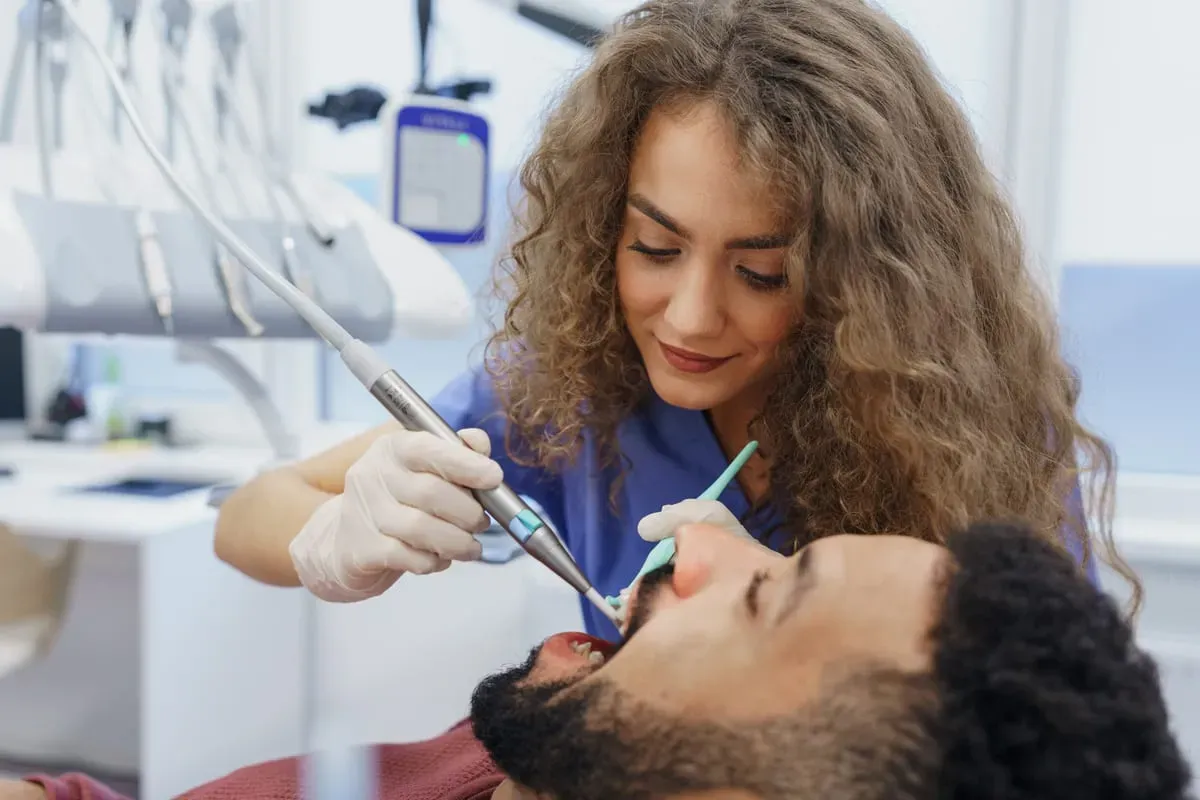
A comprehensive first visit is more thorough than a routine six-month cleaning, and understanding the sequence ahead of time removes a lot of the mystery. The appointment typically starts with a review of your medical and dental history, followed by diagnostic X-rays if you do not already have recent ones on file. These images let your dentist see below the gum line, between teeth, and inside the jawbone, areas that a visual exam alone cannot reach.
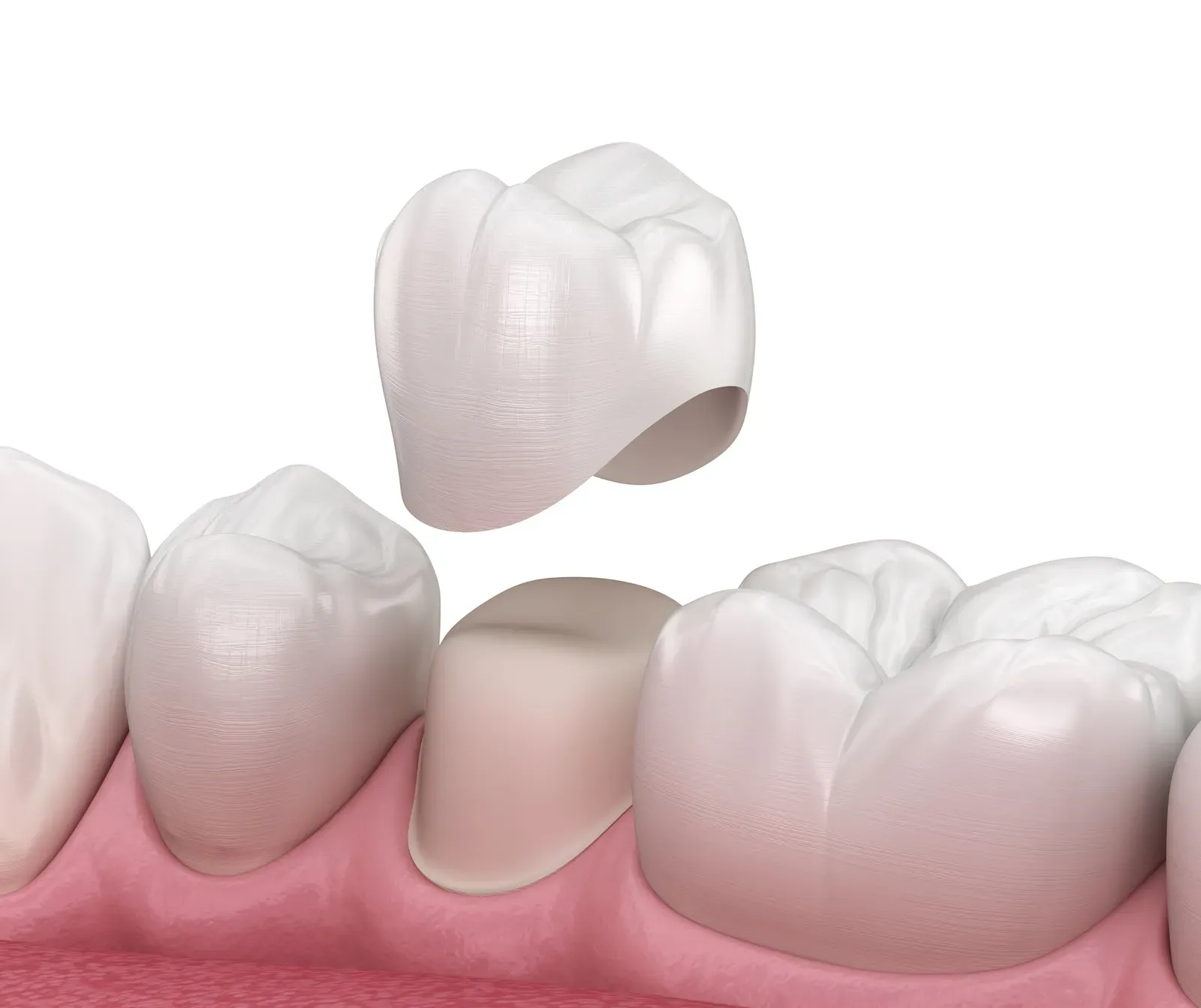
Next comes a full clinical examination. Your dentist checks each tooth for decay, cracks, and wear, evaluates the condition of existing fillings or crowns, and measures gum pocket depths to screen for early signs of periodontal disease. Many offices, including ours, also perform an oral cancer screening as a standard part of this exam, checking the tongue, cheeks, and throat for any unusual tissue changes. This step takes only a couple of minutes but catches issues at their most treatable stage.
After the exam, most new patients receive a professional cleaning, part of our dental cleanings and exams service, where a hygienist removes plaque and tartar buildup that a toothbrush cannot reach. The appointment typically wraps up with a conversation about findings, a personalized treatment plan if any work is needed, and a straightforward explanation of priorities so you understand what needs attention now versus what can simply be monitored over time.
Managing Dental Anxiety Before and During Your Appointment
Dental anxiety is common, and it is not something to feel embarrassed about. Studies estimate that a meaningful percentage of adults delay or avoid dental care specifically because of fear, often rooted in a past negative experience, fear of pain, or simply not knowing what to expect. Left unaddressed, that avoidance tends to make small problems worse, which ironically leads to more involved treatment down the road.
Practical Steps That Genuinely Help
Telling your dental team about your anxiety at the very start of the appointment changes how the visit unfolds. A good dentist will slow down, explain each step before doing it, and give you a clear signal, like raising your hand, to pause at any point. Scheduling your appointment for a time of day when you are least rushed, often mid-morning, also reduces the stress of feeling hurried beforehand.
Breathing techniques, bringing headphones for music or a podcast, and asking a friend or family member to accompany you can all make a real difference. For patients with more significant anxiety, it is worth asking directly about sedation options or numbing techniques available for upcoming procedures. None of these requests are unusual, and no dentist worth your trust will treat them as an inconvenience.
Smart Questions to Ask Your Dentist
A first visit is also your chance to evaluate whether a dental practice is the right long-term fit for you and your family. Do not hesitate to ask questions, even ones that feel basic. A confident, patient-centered office will answer clearly and without rushing you.
- What did you find during the exam, and what does it mean for me? Ask for plain-language explanations, not just clinical terms you have to look up later.
- What is the recommended order of treatment if I need multiple things done? Understanding priorities helps you plan both your schedule and your budget.
- What preventive steps can I take at home? A good dentist will give you specific, personalized advice rather than generic brushing reminders.
- Do you treat emergencies, and what is the process if I have a dental emergency after hours? Knowing this in advance saves panic later.
- What does my treatment plan cost, and what will insurance likely cover? Get this in writing whenever possible so there are no surprises on billing day.
What Happens After the Appointment
Once your exam and cleaning are complete, you should leave with a clear understanding of your next steps, whether that means scheduling a follow-up for a filling, starting treatment for early gum disease, or simply booking your next six-month cleaning. If your dentist recommends tooth-colored fillings for a cavity found during your exam, ask about the timeline and what the appointment itself will involve so you are not caught off guard later.
If your gum measurements showed signs of early periodontal disease, your dentist may recommend a more intensive cleaning or a referral for periodontal disease treatment before it progresses further. Gum disease develops slowly and rarely causes pain in its early stages, which is exactly why a thorough first exam matters: it catches problems you cannot feel yet.
For patients who clench or grind their teeth at night, often revealed through visible enamel wear during the exam, your dentist might also discuss night guards to prevent further damage while you sleep. Whatever the plan, a trustworthy office will document it clearly and give you a copy to take home, so you are never relying on memory alone.
Key Takeaways
- Bring ID, insurance information, a medication list, and any prior X-rays to save time and avoid duplicate costs.
- Verify your insurance coverage ahead of time and ask for a written cost estimate before agreeing to treatment.
- A first visit includes X-rays, a full exam, an oral cancer screening, and a professional cleaning.
- If you feel anxious, say so at the start; sedation options and pacing accommodations are available.
- Leave with a clear, written treatment plan and understand each recommended next step before you go.
Frequently Asked Questions
How long does a first dental visit usually take?
Plan for 60 to 90 minutes for a comprehensive first visit. This includes time for paperwork, X-rays, a full exam, an oral cancer screening, and typically a cleaning. Follow-up visits for specific treatment are generally shorter and scheduled separately.
Do I need X-rays if I just had them taken at my old dentist?
Not necessarily. If your previous office can send recent X-rays, usually anything taken within the last six to twelve months, your new dentist can often use those instead of retaking them. Ask your old office to transfer records before your appointment to avoid unnecessary imaging.
What if I have not been to a dentist in several years?
That is more common than you might think, and there is no judgment involved. Your dentist will simply take extra care during the exam to assess any changes, address concerns like sensitivity or gum bleeding, and build a treatment plan that catches you up gradually rather than all at once.
Will I need work done on the same day as my first visit?
Usually not, unless you are in pain or dealing with an urgent issue. Most offices complete the exam and cleaning first, then schedule any necessary treatment, like fillings or periodontal therapy, as a separate follow-up appointment so there is time to review your treatment plan and insurance coverage.
What should I bring for my child's first dental visit?
Bring the same documents you would for an adult visit: insurance card, ID, and any prior dental records if applicable. It also helps to bring a comfort item, like a favorite stuffed animal, and to talk about the visit beforehand using calm, neutral language rather than words that suggest pain or fear.
Walking In Prepared Makes All the Difference
A first dental visit does not have to feel like an unknown. With the right paperwork in hand, a basic understanding of your insurance, and a sense of what the exam will actually involve, most of the anxiety around that first appointment simply falls away. What remains is a straightforward conversation about your oral health and a plan you actually understand.
Our team at Sahara Family Dental has built our entire approach around making that first visit as clear and comfortable as possible for every patient who walks through our door in Montebello. Whether you are coming in for a routine cleaning, addressing a concern that has been bothering you, or bringing your child for their very first checkup, preparation turns a stressful unknown into a simple, manageable step toward better long-term health.