433 N 4th St #210, Montebello, CA 90640, United States
 (323) 888-1030



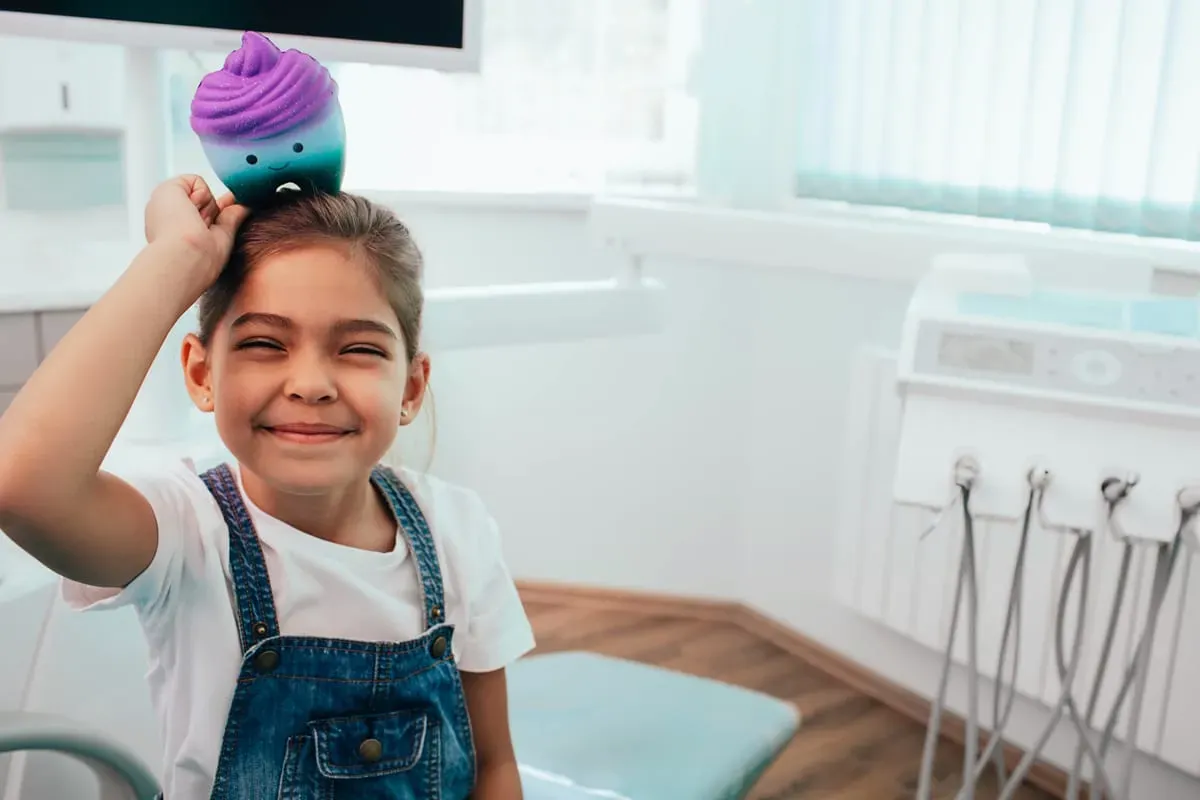
If you've ever sat in a waiting room with a squirming, nervous child before a dental appointment, you already know that a regular dental office doesn't always cut it for kids. Children process new experiences differently than adults do - the sounds, the smells, the stranger in a mask asking them to open wide can feel overwhelming without the right setup and the right people guiding them through it.
That's exactly what kid-friendly dentistry is built around. It isn't just about having a smaller chair or a toy bin in the corner. It's a whole approach to pacing, communication, and prevention that recognizes children aren't just small adults - their teeth, their fears, and their long-term habits all need to be handled with care that's specific to them.
For families here in Montebello, understanding what kid-friendly dentistry actually involves can make a real difference in how your children feel about dental visits for the rest of their lives. This guide walks through the essentials: what to expect, how cavities are prevented, how anxiety is managed, and when to bring your child in for their very first checkup.
What Actually Makes Dentistry "Kid-Friendly"
The phrase gets used a lot, but kid-friendly dentistry really comes down to three things: environment, communication, and pacing. The environment matters because children pick up on tone before they understand words - a bright, warm space with age-appropriate distractions signals safety before the exam even begins. That's different from simply decorating a room; it's about designing the whole visit around a child's comfort level.
Communication is just as important. A dentist trained in working with children explains procedures in simple, honest terms a child can actually understand - no scary words, no surprises. This "tell-show-do" method, where the provider explains a tool, shows how it works on a finger or a model, and then uses it gently, builds trust step by step rather than all at once.
Pacing rounds out the approach. Kid-friendly visits often move slower than adult appointments, with breaks built in and a willingness to stop and regroup if a child needs a minute. Our pediatric dentistry appointments at Sahara Family Dental are structured this way deliberately, because we've seen how much of a difference patience makes in whether a child leaves the office smiling or dreading the next visit.
When Should Your Child Have Their First Visit
The American Academy of Pediatric Dentistry recommends scheduling a first dental visit by the time a child turns one, or within six months of their first tooth coming in - whichever comes first. That timeline surprises a lot of parents, who assume dental visits should wait until a child has a full set of baby teeth or is old enough to sit still on their own.
Early visits aren't really about treatment. They're about getting a baseline look at how teeth are coming in, catching early signs of decay before they spread, and helping your child get comfortable with the sights and sounds of a dental office while the stakes are low. These early appointments also give parents a chance to ask questions about teething, thumb-sucking, pacifier use, and feeding habits that affect oral development.
If your child is already past that age and hasn't had a first visit yet, that's completely fine - there's no wrong time to start. We walk through what to expect in detail on our page about your child's first exam, including how we adjust the visit based on age and temperament rather than running every child through an identical script.
Preventing Cavities Before They Start
Tooth decay is the most common chronic disease among children in the United States, and it's largely preventable. Baby teeth are more susceptible to decay than permanent teeth because their enamel is thinner, which means cavities can progress faster than parents expect. The good news is that a handful of preventive measures, used consistently, make a measurable difference.
- Fluoride treatments: Applying fluoride directly to the teeth strengthens enamel and helps reverse early decay before a cavity even forms. Our fluoride treatments are a quick, painless part of most pediatric checkups.
- Dental sealants: A thin protective coating applied to the chewing surfaces of back molars keeps food and bacteria out of the deep grooves where cavities most often start. We cover this in more detail on our dental sealants page.
- Routine cleanings: Regular visits remove plaque buildup that brushing at home tends to miss, especially around the back teeth and gumline.
- Smart snacking habits: Sticky, sugary snacks and frequent juice sipping create a near-constant acid environment in the mouth, which is one of the biggest drivers of early childhood cavities.
Combined, these steps go a long way toward keeping your child cavity-free. If a cavity does develop despite good prevention, treating it early with a simple filling is far less stressful for a child than waiting until the decay causes pain or infection.
Managing Dental Anxiety in Young Patients
Dental anxiety in children is extremely common, and it's rarely about the teeth themselves - it's about the unknown. A child who has never seen a dental chair or heard the sound of a suction tool doesn't have context for what's happening, and that uncertainty is what tends to trigger fear or tears, not actual pain.
One of the most effective tools for reducing that anxiety is simply slowing down and letting a child set the pace, within reason. Letting them hold a mirror, choose which "flavor" of toothpaste polish they'd like, or sit in a parent's lap for part of the visit gives them a sense of control that makes a huge difference. Positive, specific praise during the visit - not just "good job," but "you did such a great job holding still for that" - also reinforces the behavior you want to see at the next appointment.
For children with more significant anxiety or sensory sensitivities, we take extra time to introduce tools gradually and never rush a procedure that a child isn't ready for. Our goal isn't to get through an appointment as fast as possible - it's to make sure your child leaves associating the dental office with something manageable, not something to dread the next time around.
Watching for Growth and Bite Development
Part of kid-friendly dentistry is keeping an eye on how a child's jaw and bite are developing over time, not just checking for cavities at each visit. Habits like prolonged thumb-sucking, pacifier use past a certain age, or mouth breathing can all affect how teeth come in and how the jaw grows, sometimes leading to crowding or bite issues down the road.
We also keep track of when baby teeth are expected to fall out and permanent teeth are expected to come in, since timing that's noticeably off schedule can be an early sign of something worth monitoring. Catching these patterns early sometimes means a simple conversation about breaking a habit; other times it means a referral for an orthodontic evaluation well before most parents would think to ask about one.
Accidents also happen more often with active kids - a fall off a bike or a hit during a game can chip or knock loose a tooth. If that happens, we treat it as the urgent matter it is; our team handles these situations through emergency dentistry appointments so your child is seen quickly rather than waiting days for a routine opening.
Building Good Habits Between Visits
What happens at home between dental visits matters just as much as what happens in the chair. Twice-daily brushing with a fluoride toothpaste, supervised until a child can reliably spit rather than swallow it, is the foundation. Flossing should start as soon as two teeth touch each other, even if that's well before kindergarten.
Making Brushing a Routine, Not a Battle
Many families find success by turning brushing into a predictable part of the bedtime and morning routine rather than a negotiation. A two-minute timer, a song, or letting your child brush a stuffed animal's "teeth" first can lower resistance without turning it into a power struggle. Consistency matters more than perfection - a child who brushes well most nights will have far better outcomes than one who brushes perfectly some nights and not at all on others.
For kids involved in sports, a properly fitted mouthguard is worth the investment, since a single hard impact can cause damage that lasts well into adulthood. We fit custom sports mouthguards that are far more comfortable and protective than generic store-bought versions, which many kids end up not wearing at all because they don't fit well.
Key Takeaways
- Kid-friendly dentistry is built on patient pacing, clear communication, and a comfortable environment, not just a decorated waiting room.
- A child's first dental visit should happen by age one or within six months of the first tooth appearing.
- Fluoride treatments, sealants, and routine cleanings are among the most effective ways to prevent childhood cavities.
- Giving kids small choices and clear explanations during visits significantly reduces dental anxiety over time.
- Consistent at-home brushing, flossing, and a properly fitted mouthguard for sports protect progress made at the dental office.
Frequently Asked Questions
At what age should my child stop seeing a pediatric dentist?
There's no strict cutoff. Many kids transition to general family dental care in their mid-to-late teens, once their permanent teeth are fully in and their jaw growth has largely stabilized. Because we treat patients of all ages under one roof, families often stay with the same practice the whole way through, which keeps dental history and records consistent.
My child is terrified of the dentist. What can we do?
Start by telling us ahead of time so we can adjust the pace and plan of the visit. Short "practice" visits that involve nothing more than sitting in the chair and meeting the team can help build familiarity before any actual exam takes place. Consistency also helps - seeing the same provider at each visit gives a child a sense of familiarity that reduces fear over time.
Do baby teeth really need fillings if they're going to fall out anyway?
Yes. Baby teeth hold space for permanent teeth and support proper chewing, speech, and jaw development. Untreated decay can also cause pain, infection, and spread to neighboring teeth, and it can affect how the permanent tooth underneath forms. Treating cavities promptly, even in baby teeth, prevents much bigger problems later.
How often should my child have a dental checkup?
Most children benefit from a checkup and cleaning every six months, similar to adults. Kids who are at higher risk for cavities, due to diet, enamel strength, or orthodontic appliances, may benefit from more frequent visits, which we'll discuss with you directly based on what we see at each exam.
Is it normal for my child to need a tooth pulled early?
Occasionally a baby tooth needs to come out early due to severe decay, injury, or crowding, though it's not the most common outcome. When it does happen, we take steps to maintain space for the incoming permanent tooth so alignment isn't affected. If your child ever needs this kind of care, our team handles it gently and explains every step beforehand.
Giving Your Child a Confident Start with Dental Care
The habits and attitudes your child develops around dental care in these early years tend to stick with them for life. A child who learns that dental visits are calm, predictable, and nothing to fear is far more likely to grow into an adult who keeps up with regular checkups without dread. That foundation is worth just as much as any individual treatment.
Every child is different, and the right approach to kid-friendly dentistry means meeting them where they are, whether that's their very first visit or their tenth. Families throughout Montebello trust our team to bring patience, genuine care, and real pediatric experience to every appointment, so your child's relationship with dental care starts off on the right foot and stays that way.