433 N 4th St #210, Montebello, CA 90640, United States
 (323) 888-1030



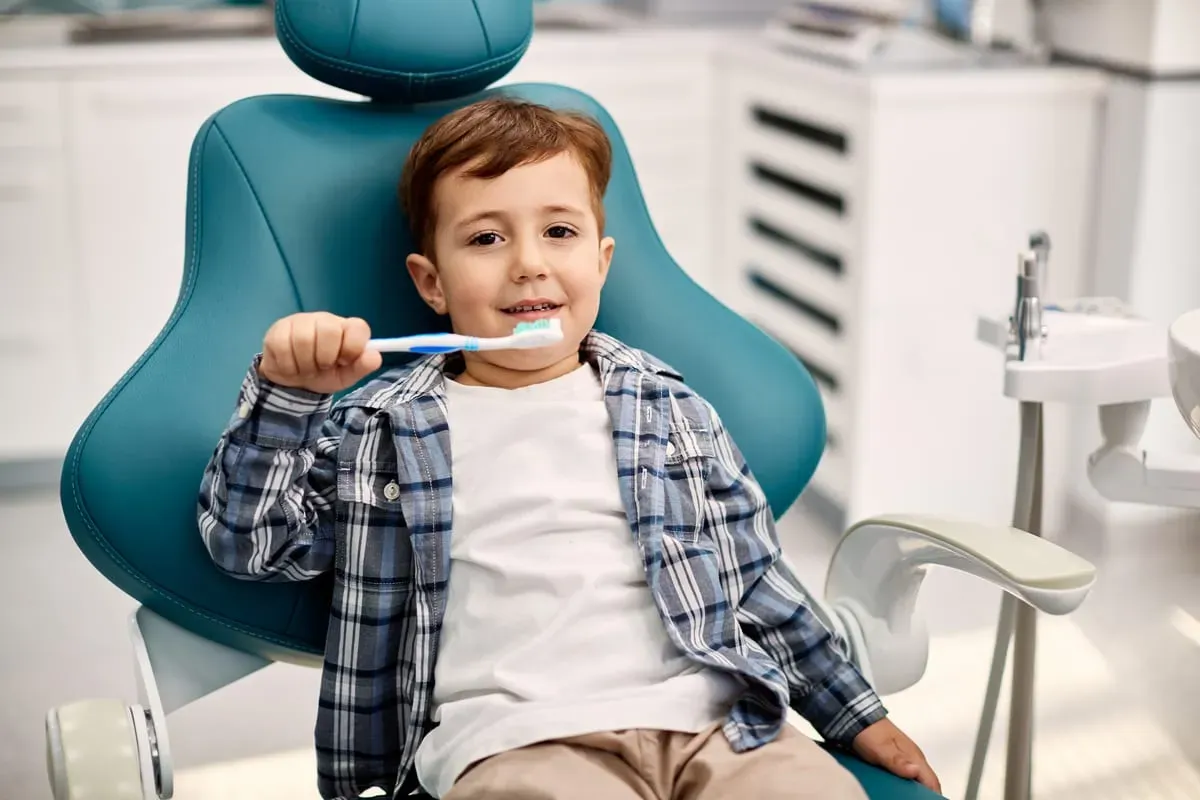
Few things make a parent more nervous than a child's first few dental visits. Will they cry? Will they sit still? Will this turn into a lifelong fear of the dentist's chair? At Sahara Family Dental, we hear these worries from Montebello families almost every single day, and honestly, they're valid. Kids are unpredictable, dental offices can feel clinical and intimidating, and most parents are working from their own childhood memories of the dentist, which weren't always pleasant.
The good news is that pediatric dentistry has changed enormously over the past couple of decades. Offices built around kids - with gentler techniques, better communication, and an understanding of child psychology - make a measurable difference in how children feel about oral health for the rest of their lives. The way a five-year-old's first cleaning goes often predicts whether they'll be a nervous or relaxed adult patient at 35.
This article answers the questions we field most often from Montebello parents, from when to schedule that first appointment to what actually happens if your child needs a filling. Our goal is to take some of the guesswork out of kid-friendly dentistry so you can walk into your next appointment feeling prepared instead of anxious.
In This Article
- When Should My Child Have Their First Dental Visit?
- How Can I Help My Child Feel Calm Before an Appointment?
- Do Cavities in Baby Teeth Really Matter?
- What Preventive Treatments Actually Protect Young Teeth?
- What Makes a Dental Office Genuinely Kid-Friendly?
- What Should I Do If My Child Chips or Knocks Out a Tooth?
When Should My Child Have Their First Dental Visit?
The American Academy of Pediatric Dentistry recommends scheduling your child's first dental visit by their first birthday, or within six months of the first tooth erupting, whichever comes first. We know that sounds early to a lot of parents - many assume dental visits should wait until a child has a full set of teeth or starts kindergarten. But that first appointment isn't really about treatment. It's about establishing a baseline, catching early warning signs, and getting your child accustomed to the environment before any problems exist.
Early visits also give us a chance to talk with you directly about feeding habits, teething, thumb-sucking, and pacifier use, all of which affect how teeth and jaws develop. Cavities can form surprisingly fast once teeth erupt, especially with frequent bottle feeding or sippy cup use throughout the day. Catching tooth decay in its earliest stages, often before a parent would ever notice anything wrong, means treatment stays simple rather than becoming a bigger procedure later on.
If your child is older and hasn't seen a dentist yet, don't worry about having "missed the window." We regularly welcome school-age kids who are new to the dentist, and we adjust our approach based on age and comfort level rather than insisting on a rigid schedule. You can learn more about what that very first appointment involves on our page about your child's first exam.
How Can I Help My Child Feel Calm Before an Appointment?
A child's anxiety about the dentist is rarely about the dentist itself - it's about the unknown. Kids who have never been to a dental office often picture something scary based on cartoons, a sibling's complaints, or an offhand comment from an adult. The single most effective thing a parent can do is talk about the visit in neutral, matter-of-fact language rather than avoiding the topic or, worse, using it as a threat ("behave or we'll have to go to the dentist").
We also recommend practicing at home. Let your child "count your teeth" with a soft toothbrush, or play pretend dentist with stuffed animals. Reading a children's book about going to the dentist a few days before the appointment helps normalize the experience. Avoid over-explaining or promising nothing will happen, since kids pick up on nervous energy from their parents faster than anything we say in the office.
A Few Things That Genuinely Help on the Day
- Schedule morning appointments when possible: Kids tend to be more cooperative and less tired earlier in the day, before naps or after-school fatigue sets in.
- Let us do the explaining: Our team is trained to describe tools and steps in simple, non-scary language ("tooth counter" instead of "explorer"). Let your child ask us questions directly.
- Stay calm and low-key yourself: Children mirror parental body language. A relaxed, upbeat tone from you does more than any pep talk.
- Save rewards for after, not as bribery beforehand: A small treat or fun activity after the appointment reinforces a positive association without setting up pressure going in.
Do Cavities in Baby Teeth Really Matter?
This is one of the most persistent myths we encounter: the idea that baby teeth don't matter because "they're going to fall out anyway." In reality, primary teeth play a critical role for several years, and decay left untreated can cause real problems well beyond the tooth itself. Baby teeth hold space for permanent teeth to erupt correctly. When a baby molar is lost too early due to decay, nearby teeth can shift into that space, leading to crowding or misalignment once adult teeth come in.
Untreated cavities in children can also cause pain significant enough to affect eating, sleeping, and concentration at school. Infection from a decayed baby tooth can spread to the developing permanent tooth underneath it, potentially causing enamel defects or more serious issues down the line. And beyond the physical effects, a mouth full of visible decay can affect a child's confidence and willingness to smile at an age when social development matters enormously.
If your child does develop a cavity, modern pediatric treatment is far gentler than many parents remember from their own childhoods. We use numbing techniques, child-sized instruments, and a calm, step-by-step approach for fillings that keeps the experience as low-stress as possible. Regular checkups mean we typically catch decay while it's still small, which keeps treatment quick and simple.
What Preventive Treatments Actually Protect Young Teeth?
Prevention is where kid-friendly dentistry really earns its keep. Rather than waiting for problems to appear and then treating them, we focus heavily on stopping decay before it starts, which is both less expensive and far less stressful for your child than repairing damage later. Two treatments do the heaviest lifting here, and both are quick, painless, and backed by decades of research.
Dental sealants are thin protective coatings applied to the chewing surfaces of molars, where deep grooves tend to trap food and bacteria that a toothbrush can't fully reach. Once applied, a sealant can protect a tooth from decay for several years. It takes just a few minutes per tooth, involves no drilling or anesthesia, and most children barely notice it happening. We typically recommend sealants as soon as permanent molars erupt, usually around age six and again around age twelve.
Professional fluoride treatments strengthen tooth enamel and make it more resistant to the acid produced by plaque bacteria. This matters especially for kids who drink bottled or filtered water that lacks the fluoride levels found in municipal tap water, which is common throughout parts of Montebello and the greater Los Angeles area. A quick fluoride varnish applied during a routine cleaning adds an extra layer of protection between visits, particularly for children who are prone to cavities or wear braces, which can make thorough brushing more difficult.
What Makes a Dental Office Genuinely Kid-Friendly?
Plenty of practices put a few cartoon posters in the waiting room and call it "kid-friendly." Real kid-friendly dentistry runs a lot deeper than decor. It starts with how the team communicates: using age-appropriate language, giving children a sense of control over small decisions (like which flavor of fluoride they'd prefer), and explaining each step before it happens rather than surprising a child mid-procedure.
Pacing matters just as much. A genuinely child-centered appointment moves at the child's speed rather than rushing through a checklist. For a nervous toddler, that might mean a shorter first visit focused purely on getting comfortable in the chair, with a full cleaning saved for the next appointment. For an anxious eight-year-old, it might mean taking breaks, offering reassurance, and narrating exactly what's happening in simple terms throughout the visit.
We also believe kid-friendly care should extend to the whole family. Many parents bring multiple children of different ages, and coordinating visits efficiently while giving each child individual attention takes real planning. Our pediatric dentistry approach is built around that reality, treating kids from their very first tooth through adolescence with consistency so families don't have to switch providers as children grow.
What Should I Do If My Child Chips or Knocks Out a Tooth?
Dental injuries are common in kids. Falls off bikes, playground accidents, and sports collisions send plenty of Montebello families into our office unexpectedly. Staying calm matters more than almost anything else in the first few minutes, since kids take their emotional cues from the adults around them following any kind of accident.
If a permanent tooth is knocked out, try to find it, rinse it gently in water without scrubbing, and attempt to place it back in the socket if your child is old enough to hold it there without swallowing it. If that isn't possible, keep the tooth in milk or saline and get to a dentist within 30 to 60 minutes, as the chances of saving the tooth drop quickly after that window. Baby teeth generally should not be reinserted, but you should still call us right away so we can evaluate for damage to the surrounding gum, jaw, or developing adult tooth underneath.
Chips, cracks, and bleeding gums are more common than full knockouts and often look worse than they actually are. Rinse your child's mouth with warm water, apply a cold compress to reduce swelling, and save any broken tooth fragments if you find them. Our emergency dentistry team keeps same-day slots open specifically for situations like this, because waiting even a day or two can sometimes make an injury harder to treat. If your child plays contact sports, ask us about custom sports mouthguards, which fit far better and protect far more effectively than generic store-bought versions.
Key Takeaways
- Schedule your child's first dental visit by age one, or within six months of the first tooth coming in.
- Talking about dental visits calmly and practicing at home reduces anxiety more effectively than reassurance in the moment.
- Baby teeth cavities need real treatment; untreated decay can affect speech, nutrition, and permanent teeth.
- Sealants and fluoride treatments are quick, painless ways to prevent decay before it ever starts.
- Dental injuries happen; knowing the first steps for a chipped or knocked-out tooth can make a real difference in the outcome.
Frequently Asked Questions
At what age should my child stop seeing a pediatric dentist?
There's no hard cutoff, and it varies by family and comfort level. Many teens transition to general family care around ages 16 to 18, once all permanent teeth have erupted and their dental needs look more like an adult's. Since we treat patients of every age, your child can simply continue seeing our team without switching practices at all.
Is it normal for kids to cry at the dentist, and should I be worried?
Occasional tears, especially at a first or second visit, are completely normal and nothing to feel embarrassed about. Our team is trained to work patiently through this without forcing a frightened child. If anxiety seems to be getting worse rather than better over several visits, let us know, since we can adjust our approach, schedule shorter appointments, or discuss additional comfort options.
How often should my child actually have a dental checkup?
Most children benefit from a checkup and cleaning every six months, similar to the recommendation for adults. Kids who are prone to cavities, wear braces, or have specific risk factors like dry mouth may need more frequent visits, which we'll discuss and schedule based on their individual needs.
My child is terrified of needles. Are there options besides traditional numbing shots?
Yes. For many procedures we can apply a topical numbing gel first to minimize the sensation of an injection, and we use techniques designed to make the process as comfortable as possible. For children with significant anxiety or extensive treatment needs, we can also discuss sedation options so your child stays relaxed and comfortable throughout.
Do you treat children with special needs or significant dental anxiety?
Absolutely. We work regularly with children who need extra time, a modified sensory environment, or a slower, more communicative approach. Let our front desk team know about your child's specific needs when scheduling so we can plan the appointment accordingly and make sure your child feels supported throughout.
Building Lifelong Comfort With the Dentist Starts Early
The questions Montebello parents bring to us about kid-friendly dentistry almost always come from the same place: wanting their child's experience to be better than their own was. That's a completely reasonable goal, and it's achievable with the right combination of early visits, honest communication, and a dental team that genuinely understands how to work with children rather than just tolerate them.
None of this requires perfection on your part as a parent. Kids will still have nervous moments, the occasional cavity, or an unlucky playground accident, and that's normal. What matters most is having a dental home your family trusts, where questions get real answers and every visit builds a little more confidence than the last. That's what we aim for with every child who walks through our doors in Montebello.