433 N 4th St #210, Montebello, CA 90640, United States
 (323) 888-1030



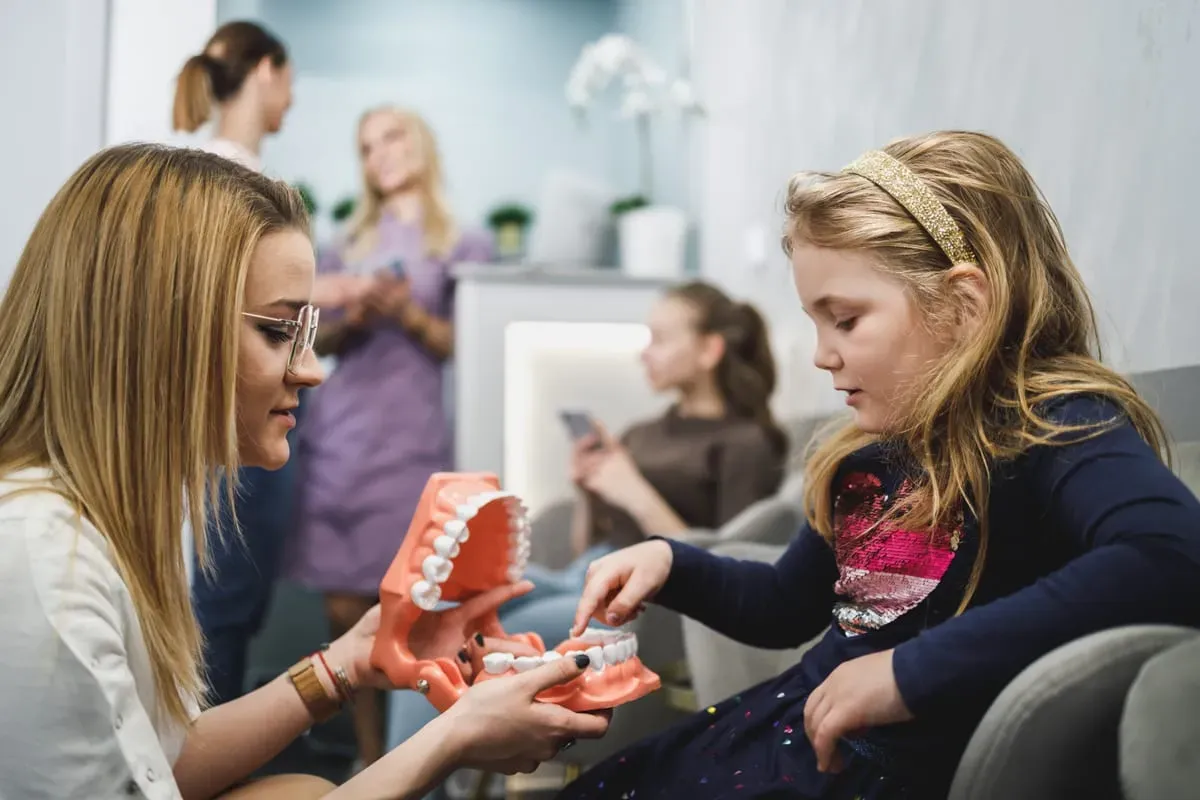
Few parenting milestones feel quite as loaded as scheduling your child's first trip to the dentist. Will they cry? Will the chair scare them? Will this set the tone for how they feel about dental care for the rest of their life? These are fair questions, and the good news is that with a little preparation, that first visit can be calm, even fun, instead of something you both dread.
At Sahara Family Dental in Montebello, we see a steady stream of toddlers, preschoolers, and school-age kids every week, and we have learned what actually helps families walk in relaxed rather than rattled. A child's early experiences at the dentist shape how they feel about oral health for decades, which is exactly why getting this first step right matters so much.
This guide walks you through when to schedule that first appointment, what actually happens during it, how to talk to your child beforehand, and how our team keeps young patients comfortable from the moment they walk through our doors. Whether your child is six months old or heading into kindergarten with a mouth full of baby teeth, there is something here for you.
In This Article
When Should Your Child See the Dentist for the First Time?
The American Academy of Pediatric Dentistry and the American Dental Association both recommend scheduling your child's first dental visit by their first birthday, or within six months of their first tooth coming in, whichever happens sooner. That timeline surprises a lot of parents who assume dental visits should wait until a child has a full set of teeth or starts kindergarten.
There is a practical reason behind the early timing. Tooth decay can begin as soon as teeth erupt, and baby bottle decay, a condition caused by prolonged exposure to milk or juice, can take hold quickly in very young children. Catching issues early, or better yet preventing them altogether, is far easier and less stressful than treating advanced decay in a toddler who cannot yet sit still for long procedures.
Early visits also give us the chance to check how your child's jaw and teeth are developing, flag habits like thumb sucking or prolonged pacifier use before they affect bite alignment, and answer the dozens of small questions parents tend to have. If your child is already past their first birthday and hasn't had a dental visit yet, that is completely fine. There is no wrong time to start; the best time is simply as soon as you can get it on the calendar.
What Actually Happens During a First Pediatric Checkup?
A first dental visit for a very young child looks nothing like an adult cleaning, and that is intentional. The goal at this stage is far more about comfort and familiarity than about thorough treatment. For infants and toddlers, we often do what is called a "knee-to-knee exam," where your child sits facing you in your lap while a hygienist or dentist gently checks their teeth and gums from a slightly reclined position close by.
We take a look at tooth development, gum health, and bite alignment, and we check for any early signs of decay or structural concerns. We will also talk with you about feeding habits, teething, fluoride exposure, and how to brush your child's teeth effectively at home, since most of the real prevention work happens in your bathroom, not our office.
For slightly older toddlers and preschoolers, the visit expands to include a gentle cleaning, a light polish, and sometimes a fluoride treatment if appropriate for their age and risk level. We keep appointments short on purpose. A five-minute visit that ends with your child smiling and excited about their sticker is far more valuable long-term than a thirty-minute visit that leaves them in tears.
How to Prepare Your Child Without Creating Fear
How you talk about the dentist in the days leading up to an appointment matters more than most parents realize. Kids pick up on tone and word choice far faster than they pick up on facts, so language that sounds reassuring to an adult can sound alarming to a four-year-old. Saying "it won't hurt" or "don't worry, they won't give you a shot" actually introduces the idea of pain or needles into a mind that hadn't considered it yet.
Instead, keep the framing simple and positive. Tell your child the dentist is going to count their teeth, take a picture of their smile, and help their teeth stay strong so they can eat all their favorite snacks. Reading a picture book about visiting the dentist a few days beforehand, or watching a short, kid-friendly video together, can also take a lot of the mystery out of the experience.
A Few Practical Tips Before the Appointment
- Schedule during your child's best time of day. A mid-morning appointment, before naps and before hunger sets in, tends to go far more smoothly than a late-afternoon slot.
- Read a dentist-themed storybook together. Familiar characters going through the same experience help normalize it for young kids.
- Let them ask questions and answer honestly but simply. Vague reassurance can backfire; plain, calm answers build more trust.
- Bring a comfort item. A favorite small toy or blanket can make the chair feel less foreign.
How Our Team Eases Anxiety in the Chair
We approach kids' appointments differently than adult ones from the moment a family walks in. Our team talks to children directly, not just over their heads to parents, because kids feel more at ease when they are treated as active participants rather than passive patients. We explain every tool before we use it, using simple, non-scary language, and we let kids touch and examine things like the polisher or the mirror beforehand if that helps them feel more in control.
Pacing matters just as much as language. If a child needs a break mid-exam, we give it to them. If they want to count out loud, hold a parent's hand, or watch something on a screen overhead during a longer procedure, we work around that. Rushing a nervous child almost always backfires, while a few extra minutes of patience usually gets the job done without tears.
We also pay close attention to sensory details that adults rarely think about: the brightness of the overhead light, the sound of the suction tool, the taste of the toothpaste used during polishing. Small adjustments, like dimming lights or choosing a flavor your child actually likes, make a noticeable difference in how comfortable the whole experience feels. Over time, these small wins add up to kids who genuinely don't mind coming back, which is really the whole point.
Building Healthy Home Care Habits Between Visits
Regular dental visits lay the groundwork, but what happens at home between appointments determines most of a child's long-term oral health. Once that first tooth appears, it needs to be brushed twice a day with a soft-bristled, child-sized brush. For kids under three, a smear of fluoride toothpaste about the size of a grain of rice is sufficient; for children three to six, a pea-sized amount is the standard recommendation.
Most children do not have the fine motor control to brush thoroughly on their own until around age seven or eight, which means parents should plan on helping with, or at least supervising, brushing well past the toddler years. Flossing should start as soon as two teeth touch each other, since food and plaque can get trapped between them just as easily as between adult teeth.
Diet plays a bigger role than many parents expect. Frequent sipping on juice, sports drinks, or milk throughout the day bathes teeth in sugar for hours at a time, which does far more damage than an occasional dessert eaten in one sitting. Sticking to water between meals and limiting sugary drinks to mealtimes gives saliva a chance to neutralize acids and protect enamel.
Warning Signs Parents Shouldn't Wait On
Most dental issues in kids are far easier to manage when caught early, which is why it helps to know what to watch for between scheduled checkups. White spots near the gumline on baby teeth can be an early sign of decay forming, even before a visible cavity develops. Persistent bad breath, swelling along the gums, or a child who suddenly avoids chewing on one side of their mouth are all worth a call to our office rather than a wait-and-see approach.
It is also worth paying attention to how your child's teeth are coming in and falling out. Baby teeth that are noticeably delayed, adult teeth coming in behind baby teeth that haven't loosened yet, or a bite that looks significantly uneven are all things we would rather evaluate sooner than later. None of these situations are emergencies in most cases, but catching them early almost always means simpler, less invasive treatment down the road.
Key Takeaways
- Schedule your child's first dental visit by age one, or within six months of the first tooth erupting.
- Early visits focus on comfort and prevention, not lengthy procedures.
- Positive, simple language before the appointment prevents unnecessary fear.
- Consistent brushing, flossing, and limited sugary drinks between visits protect young teeth the most.
- Catching warning signs like white spots or gum swelling early keeps treatment simple.
Frequently Asked Questions
What if my child cries or refuses to sit in the chair?
This is extremely common, especially during a first visit, and our team is well practiced at working through it calmly. We never force a procedure on a distressed child. Instead, we slow down, let them warm up at their own pace, and sometimes complete the exam over a couple of short visits rather than one long one.
Do baby teeth really need to be treated if they are going to fall out anyway?
Yes. Baby teeth hold space for the adult teeth that will eventually replace them, help with speech development, and allow proper chewing. Untreated decay in baby teeth can also spread to surrounding teeth or lead to infection, so they deserve the same care as permanent teeth.
How often should my child have dental checkups after the first visit?
Most children benefit from a checkup every six months, similar to adults, though we may recommend more frequent visits for kids at higher risk of cavities. These regular visits let us track growth and development and catch small issues before they become bigger problems.
Is fluoride treatment safe for young children?
Yes, when applied in the small, professionally measured amounts used during a dental visit, fluoride treatment is safe and effective for strengthening enamel in children. We tailor the frequency and dosage to your child's age and cavity risk, and we are happy to walk you through exactly what we use and why.
What should I do if my child chips or knocks out a tooth?
Call our office right away. For a knocked-out baby tooth, do not attempt to reinsert it, but save it if possible and bring your child in promptly. For a knocked-out permanent tooth, time matters significantly, so getting to us or an emergency dental provider quickly gives the best chance of saving the tooth.
Setting Your Child Up for a Lifetime of Healthy Smiles
That first dental visit is really the beginning of a long relationship between your child and oral health care, and the tone you set early on tends to stick. A calm, reassuring first experience teaches kids that the dentist is nothing to fear, which makes every future visit, cleaning, and checkup that much easier for both of you.
Our team at Sahara Family Dental has built our approach to pediatric visits around patience, clear communication, and genuine comfort, because we know a nervous child becomes a nervous adult patient if those early experiences go poorly. Montebello families trust us with their kids' first checkups, their cavity prevention, and everything in between, and we would be glad to welcome your child in for theirs.