433 N 4th St #210, Montebello, CA 90640, United States
 (323) 888-1030




If you have ever bitten down on a store-bought mouth guard that felt more like a mouthful of warm plastic than actual protection, you already understand why so many patients have questions. Mouth guards seem simple on the surface, but the details matter a great deal - the right one can prevent a chipped tooth, protect years of orthodontic work, or stop a grinding habit from wearing your enamel down to nothing. The wrong one just sits in a drawer unused.
At our Montebello practice, we hear the same handful of questions over and over again, whether from a parent getting a child ready for football season or an adult who just found out they grind their teeth at night. This guide pulls those questions together in one place, with straightforward answers based on what we see every day in our chairs.
Whether you are shopping for a sports guard, dealing with jaw pain from clenching, or simply curious about your options, you will find practical guidance here to help you make a confident, informed choice for your smile and your family's.
In This Article
What Are the Different Types of Mouth Guards?
"Mouth guard" is actually an umbrella term that covers a few very different products designed for very different problems. The first big category is sports mouthguards, worn during athletic activity to cushion the teeth, lips, and jaw from impact. These range from inexpensive boil-and-bite versions sold at sporting goods stores to custom-fitted guards made from an impression of your own teeth.
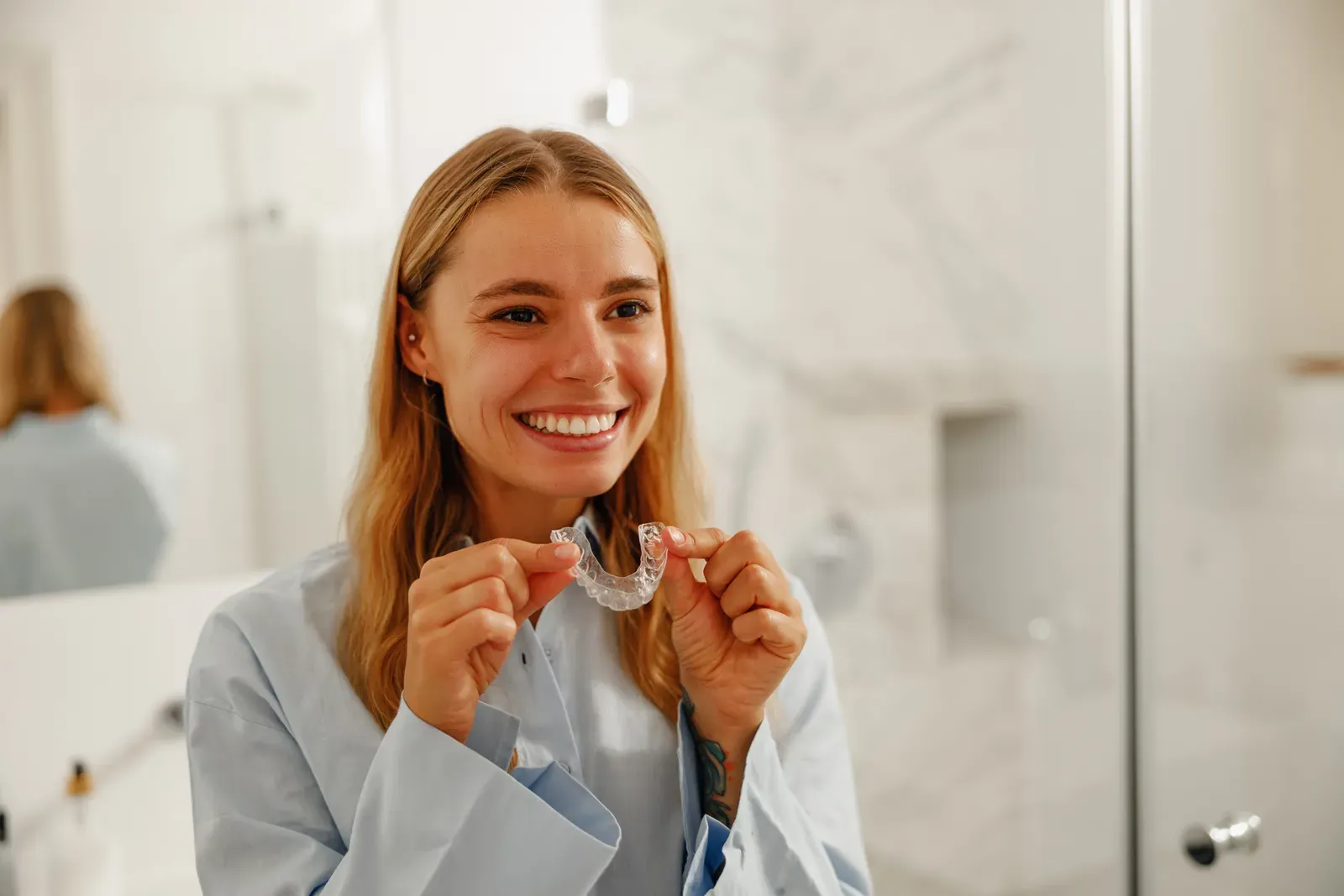
The second major category is the night guard, used to manage bruxism - the habit of grinding or clenching teeth during sleep. Night guards are typically thinner and designed for comfort over many hours of wear rather than impact absorption. A third, less common type is a therapeutic guard used alongside TMJ treatment to help reposition the jaw or relieve joint pressure.
Understanding which category applies to your situation is the first step. A patient who grinds their teeth at night needs something entirely different from a teenager playing contact sports, and using the wrong type of guard for the wrong purpose rarely solves the actual problem. During an exam, our team can help identify exactly which type fits your needs, whether that means custom sports mouthguards for athletics or a fitted night guard for grinding.
How Do I Know If I Actually Need a Mouth Guard?
This is one of the questions we field most often, and the honest answer is that most people need a mouth guard for one of two reasons: they play a sport with any risk of contact, or they grind or clench their teeth without realizing it. Sports do not have to be high-contact like football or hockey for a guard to make sense. Basketball, soccer, gymnastics, and even mountain biking all carry enough risk of a fall or collision that dentists routinely recommend protection.
On the grinding side, many patients are surprised to learn they have bruxism at all. It often shows up as morning headaches, jaw soreness, sensitive teeth, or a partner mentioning they hear grinding noises at night. Left unaddressed, it can flatten and crack teeth over time, and in more severe cases contribute to jaw joint problems.
-
Worn or flattened teeth: Visible wear on the chewing surfaces is often the clearest sign of nighttime grinding, even if you never notice it happening.
-
Recurring jaw or ear pain: Tightness around the jaw joint upon waking can point to clenching that a night guard can help relieve.
-
Participation in contact or fall-risk sports: Any activity with physical contact or a risk of falling warrants a properly fitted sports guard.
-
Current orthodontic treatment: Braces and aligners raise the stakes of an impact injury, making a guard even more important during active treatment.
Is a Custom Mouth Guard Really Worth the Cost?
Store-bought guards are inexpensive and easy to find, which makes them tempting. The trade-off is fit and comfort. A boil-and-bite guard is shaped by biting into softened plastic, which gives a rough approximation of your bite but rarely a precise one. Loose-fitting guards tend to slip, make talking and breathing harder during sports, and often end up discarded in a locker because they are simply uncomfortable.
A custom mouth guard is made from an actual impression or digital scan of your teeth, so it follows the exact contours of your bite. That precision translates into better retention during impact, more even distribution of force across your teeth and jaw, and a guard that is thin enough in the right places to allow normal speech and breathing. Patients who switch from a store-bought guard to a custom one almost always tell us the difference in comfort is immediate.
Cost is a fair consideration, and a custom guard will run more than a drugstore version. But when you weigh that against the cost of treating a chipped tooth, a knocked-out tooth, or an emergency visit after a sports injury, the guard pays for itself many times over. If you are also dealing with grinding, it is worth having our team evaluate whether a dedicated night guard, available through our general dentistry services, is the better long-term investment for protecting your bite.
How Should I Clean and Store My Mouth Guard?
A mouth guard sits against your teeth and gums for hours at a time, so hygiene matters more than most people assume. Bacteria and plaque can build up on the surface quickly, and a guard that is not cleaned properly can contribute to bad breath, gum irritation, or even oral infection over time.
Daily Habits That Keep a Guard Hygienic
Rinse your guard with cool water immediately after each use, and brush it gently with a soft toothbrush, separate from the one you use on your teeth, to remove any residue. Avoid hot water, which can warp the material and ruin the fit you worked to achieve. A mild antibacterial soap or a denture-cleaning tablet dissolved in water once a week helps keep the guard fresh between regular cleanings.
Storage matters just as much as cleaning. Always keep your guard in a ventilated, hard-sided case rather than a plastic bag or your pocket, since moisture trapped in an enclosed space encourages bacterial growth. Keep the case out of direct sunlight and away from hot cars, which can soften or distort the plastic over a surprisingly short period.
What Should Parents Know About Mouth Guards for Kids?
Parents often assume a one-size guard from a sporting goods aisle is good enough for a growing child, but kids' mouths change quickly, and a guard that fit well last season may already be too tight or too loose this year. Because children's jaws and teeth are still developing, an ill-fitting guard can actually interfere with proper growth or simply get tossed aside mid-game because it is uncomfortable.
For young athletes, we recommend reassessing the fit of a guard at the start of every season, especially during years when baby teeth are being replaced by permanent ones. A properly fitted guard is also essential for kids currently in braces, since brackets and wires are particularly vulnerable to impact. During a child's dental exam, our team can check whether a current guard still fits properly or whether it is time for a new one.
It is also worth noting that children can grind their teeth too, often related to stress, sleep patterns, or how their bite is developing. If you notice your child grinding at night or complaining of jaw soreness in the morning, mention it at their next visit so we can evaluate whether a pediatric night guard makes sense.
When Is It Time to Replace Your Mouth Guard?
Mouth guards are not meant to last forever. Material fatigues with repeated use, and even a high-quality custom guard eventually needs to be replaced. Most adult night guards last one to five years depending on how much grinding force they absorb each night, while sports guards for growing kids may need replacing every single season.
Visible cracks, thinning spots, or a guard that no longer snaps securely into place are all clear signals that it has reached the end of its useful life. A guard that smells persistently bad even after cleaning, or one that has developed an odd taste, has usually absorbed bacteria into the material itself and should be replaced rather than cleaned more aggressively. Continuing to wear a worn-out guard defeats the purpose, since a compromised guard cannot absorb or distribute force the way it was designed to.
If you have questions about whether your current guard is still doing its job, bring it along to your next visit so we can take a look. It is a quick check that can save you from relying on protection that has quietly stopped working.
Key Takeaways
- • Sports guards and night guards solve different problems and should not be used interchangeably.
- • Warning signs like jaw soreness, morning headaches, or worn teeth often point to unnoticed grinding.
- • Custom-fitted guards offer better protection and comfort than boil-and-bite versions from the store.
- • Proper cleaning and dry, ventilated storage extend the life of any mouth guard.
- • Kids' guards need more frequent fit checks as their teeth and jaws continue developing.
Frequently Asked Questions
Can I wear the same mouth guard for sports and for nighttime grinding?
Generally, no. Sports guards are built thicker to absorb sudden impact, while night guards are designed for long, comfortable wear over several hours of sleep. Using one in place of the other usually means sacrificing either comfort or protection.
How long does it take to get used to wearing a mouth guard at night?
Most patients adjust within one to two weeks of consistent wear. A properly fitted custom guard shortens that adjustment period considerably compared to a bulky, ill-fitting store-bought version.
Does dental insurance typically cover mouth guards?
Coverage varies by plan, but many dental insurance policies partially cover custom night guards when grinding is documented as a clinical concern. Sports guards are less commonly covered, though some plans offer a partial benefit. Our team can help you understand what your specific plan allows.
Can a mouth guard fix teeth grinding permanently?
A mouth guard does not stop the underlying habit of grinding, but it does protect your teeth from the damage that grinding causes. Addressing root causes like stress or bite alignment alongside guard use often leads to the best long-term results.
Is it normal for a new mouth guard to feel tight at first?
Yes, a small amount of initial tightness is normal as your mouth adjusts to a new custom appliance. If tightness persists beyond a couple of weeks or causes real discomfort, it is worth having the fit checked rather than pushing through pain.
Finding the Right Guard for Your Needs
Mouth guards are a small piece of dental equipment that can prevent some genuinely painful and expensive problems, whether that means a cracked tooth from a weekend soccer game or years of slow enamel damage from grinding you never knew was happening. The right choice depends on your specific situation, from the sport you play to the signs your jaw and teeth are showing after a night's sleep.
If any of the questions above sound familiar, it is worth having a conversation with a dentist who can look at your bite and your lifestyle together. Our team at Sahara Family Dental has fitted guards for Montebello athletes, grinders, and growing kids alike, and we are glad to help you figure out exactly what will protect your smile best.