433 N 4th St #210, Montebello, CA 90640, United States
 (323) 888-1030



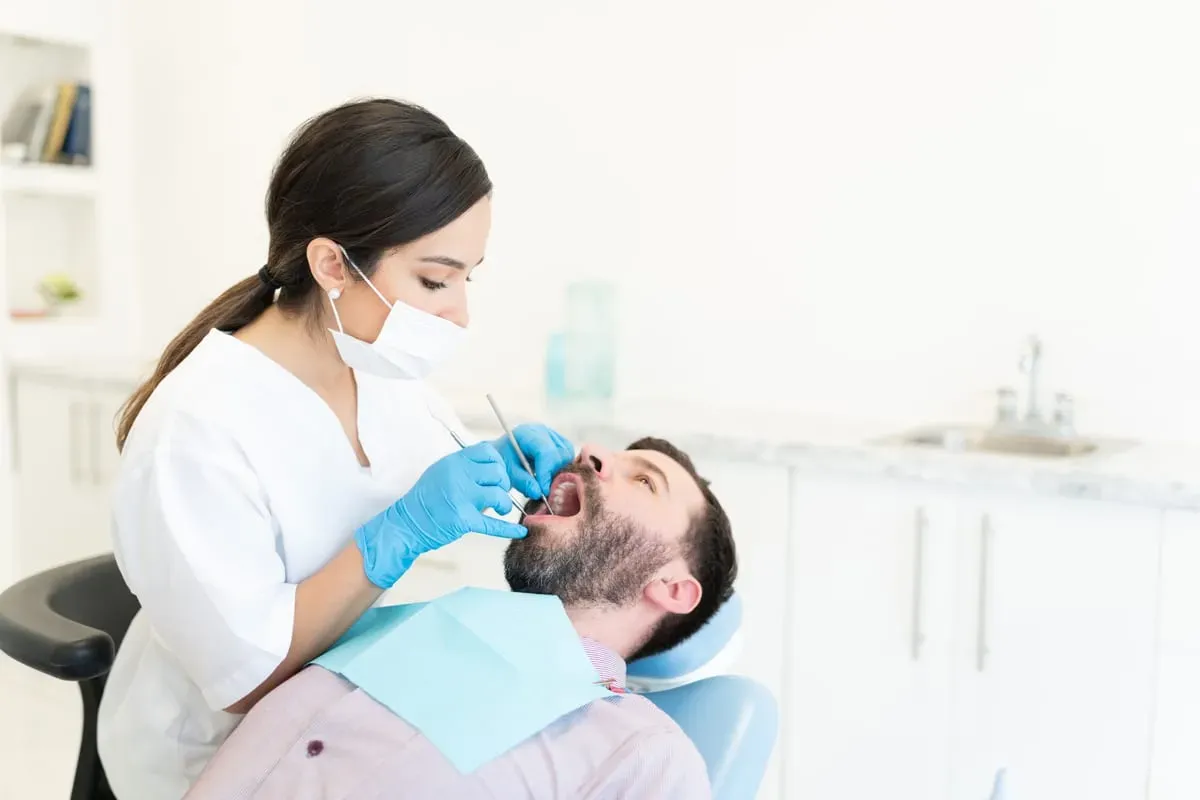
Most people think of their dental checkup as a chance to get their teeth cleaned and catch a cavity before it becomes a bigger problem. What many patients don't realize is that every routine visit to Sahara Family Dental also includes something far more significant: a careful look for the early warning signs of oral cancer. It takes only a few extra minutes, but it's one of the most important things we do for your long-term health.
Oral cancer doesn't always announce itself with pain. In its earliest and most treatable stages, it often looks like a harmless sore, a patch of discolored tissue, or a spot that simply doesn't heal the way it should. Because these changes are easy to miss or dismiss, many cases aren't caught until they've already progressed. A trained set of eyes looking specifically for these signs - twice a year, every year - makes a measurable difference in how early a problem is found.
This article walks through what an oral cancer screening actually involves, who should be getting one, what the risk factors are, and why this simple part of your checkup deserves more attention than it usually gets. Our goal is to help you understand the "why" behind the exam so you feel informed and confident the next time you're in the chair.
What Happens During an Oral Cancer Screening
An oral cancer screening is a visual and physical examination of your mouth, throat, and surrounding tissues, and it's typically built right into your regular dental cleanings and exams visit. You won't need to schedule anything separate or set aside extra time. While you're already in the chair for your checkup, your dentist will take a few additional minutes to look and feel for anything out of the ordinary.
The exam usually starts with a visual inspection of your lips, cheeks, gums, tongue, the floor and roof of your mouth, and the back of your throat. Your dentist is looking for discoloration, sores, lumps, rough patches, or asymmetry that wasn't there before. From there, a gentle physical exam follows - feeling along your jaw, neck, and under your tongue to check for lumps, swelling, or areas of tenderness that aren't visible to the eye.
None of this requires special equipment or numbing, and it isn't uncomfortable. Most patients don't even notice the extra time has been spent until we mention what we were checking for. It's quick, thorough, and built on decades of clinical research about where and how oral cancers typically develop.
Warning Signs Your Dentist Is Trained to Spot
Oral cancer can show up in forms that are easy to overlook if you don't know what to look for. A canker sore that lingers for a few days is normal. A sore that hasn't healed in two or three weeks is not. This is exactly the kind of distinction a trained dental professional is equipped to catch, even when the change seems minor to the patient.
Here are some of the specific signs we're trained to look for during every screening:
- Sores that won't heal: Any ulcer or lesion in the mouth lasting longer than two weeks warrants a closer look.
- White or red patches: Flat or slightly raised patches on the gums, tongue, tonsils, or lining of the mouth can be an early indicator.
- Unexplained lumps or thickening: New lumps in the cheek, neck, or jaw area, or a general thickening of tissue, are worth investigating.
- Persistent difficulty swallowing or chewing: Ongoing trouble moving the jaw, tongue, or throat can point to deeper tissue changes.
- Numbness or chronic soreness: A persistent numb feeling in the mouth, lips, or face without an obvious cause can be an early neurological sign.
Most of the time, these signs turn out to be something minor, like a bite mark or an irritation from a rough tooth edge. But because the symptoms of early oral cancer so closely mimic harmless, everyday irritations, having a professional evaluate them is the only reliable way to tell the difference.
Who Is Most at Risk for Oral Cancer
Oral cancer doesn't only affect older adults or heavy smokers, though those factors do raise risk significantly. Tobacco use, in any form, remains one of the most well-established risk factors, and combining tobacco with regular alcohol consumption increases that risk further. Prolonged, unprotected sun exposure is also linked to cancers of the lip.
In recent years, doctors and dentists have seen a notable rise in oral and throat cancers linked to HPV (human papillomavirus), particularly among younger adults with no history of tobacco or alcohol use. This shift is part of why we recommend screenings for every adult patient, not just those who fit the traditional risk profile. Age is still a factor - most diagnoses occur in patients over 40 - but no one should assume they're automatically in the clear.
Family history, a previous cancer diagnosis, and chronic irritation from ill-fitting dentures or dental appliances can also contribute to risk. If you have any of these factors, it's worth mentioning them to your dentist so your screenings can be approached with that context in mind.
Why Early Detection Changes the Outcome
The single biggest factor in oral cancer survival rates is how early it's caught. When detected in its earliest, localized stage, oral cancer has a significantly higher five-year survival rate compared to cases that aren't found until the disease has spread to lymph nodes or other tissue. That gap in outcomes isn't subtle - it's the difference between straightforward treatment and a much longer, harder road.
Part of the challenge is that oral cancer, especially in its earliest form, rarely causes pain. A small lesion on the side of the tongue or under the jaw can sit unnoticed for months because it simply doesn't hurt enough to prompt a visit to the doctor. By the time symptoms become obvious enough to cause concern, the cancer has often had time to grow or spread.
This is exactly why building the screening into a routine visit matters so much. You don't have to remember to ask for it, worry about symptoms, or wait until something feels wrong. It happens automatically, every time, as part of the same appointment where we're already checking your gums for signs of periodontal disease and reviewing your overall oral health.
How Often You Should Be Screened
For most patients, an oral cancer screening every six months - alongside your standard cleaning and exam - is the right interval. This timeline gives us a reliable baseline for your mouth, so it's easier to notice when something changes between visits, even something subtle.
If you fall into a higher-risk category, whether due to tobacco or alcohol use, prior HPV exposure, a family history of cancer, or significant sun exposure over the years, we may recommend slightly more frequent attention to specific areas during your visits. This isn't about causing alarm; it's about being proactive with the information we have.
Between visits, it's also worth doing a simple self-check every so often. Look at your lips, gums, and the sides of your tongue in a mirror, and feel along your jaw and neck for anything unusual. If you notice a sore that hasn't healed in two weeks, or any of the warning signs described above, don't wait for your next scheduled appointment - give us a call and we'll get you in sooner.
What Happens If Something Looks Suspicious
If we spot something that warrants a closer look during your screening, it doesn't automatically mean a cancer diagnosis. Many findings turn out to be benign - a reaction to a sharp tooth, an old scar, or irritation from a denture that needs adjusting. What it does mean is that we'll want to monitor the area closely or refer you for further evaluation.
In cases where a lesion doesn't resolve on its own within a couple of weeks, the next step is typically a referral to an oral surgeon or specialist for a biopsy. This is a straightforward procedure where a small tissue sample is taken and examined under a microscope. It's the only definitive way to confirm whether a suspicious area is cancerous, and getting that answer quickly is always better than waiting.
Throughout this process, we stay involved. We'll help coordinate the referral, follow up on results, and make sure you understand what each next step means for your care. You're never left to piece information together on your own.
Key Takeaways
- Oral cancer screening is included in your routine checkup at no extra step or appointment required.
- Early-stage oral cancer rarely causes pain, which is why a trained professional's exam matters so much.
- Risk factors include tobacco and alcohol use, HPV exposure, sun exposure, and age over 40, but anyone can be affected.
- Catching changes early dramatically improves treatment outcomes and survival rates.
- Any sore or patch that lasts longer than two weeks should be evaluated right away, not at your next scheduled visit.
Frequently Asked Questions
Does an oral cancer screening hurt?
No. The exam is entirely visual and involves gentle feeling of the jaw, neck, and mouth tissues. There's no cutting, numbing, or discomfort involved, and most patients don't notice anything different from a standard checkup.
Is oral cancer screening covered by dental insurance?
Because the screening is performed as part of your regular exam, it's typically included under your standard preventive care coverage. Our front desk team can verify your specific plan details before your visit so there are no surprises.
Can a dentist really detect oral cancer before a doctor would?
Yes. Dentists see the inside of your mouth, throat, and surrounding tissue far more regularly than most physicians do, and they're trained specifically to recognize abnormal changes in that area. Many oral cancers are first flagged during a routine dental visit rather than a medical appointment.
What should I do if I notice a sore that won't heal?
If a sore, patch, or lump has lasted longer than two weeks, call our office rather than waiting for your next scheduled cleaning. We can get you in for an evaluation promptly, and if needed, coordinate a referral for further testing.
Am I too young to need an oral cancer screening?
No. While risk does increase with age, HPV-related oral cancers have been rising among younger adults with no other traditional risk factors. We recommend a screening for every adult patient, regardless of age, at each routine visit.
A Simple Exam That Protects Your Health
It's easy to overlook a part of your checkup that doesn't involve drills, X-rays, or obvious treatment. But the few minutes your dentist spends checking your mouth, throat, and jaw for unusual changes is one of the most valuable things that happens during your visit. It costs you nothing extra in time or discomfort, and it gives you a real chance at catching something serious long before it becomes difficult to treat.
At Sahara Family Dental, our oral cancer screening is woven into every routine exam because we believe prevention works best when it's consistent and built into care you're already receiving. If it's been more than six months since your last visit, or if you've noticed anything in your mouth that doesn't feel quite right, there's no better time to get it checked out.