433 N 4th St #210, Montebello, CA 90640, United States
 (323) 888-1030



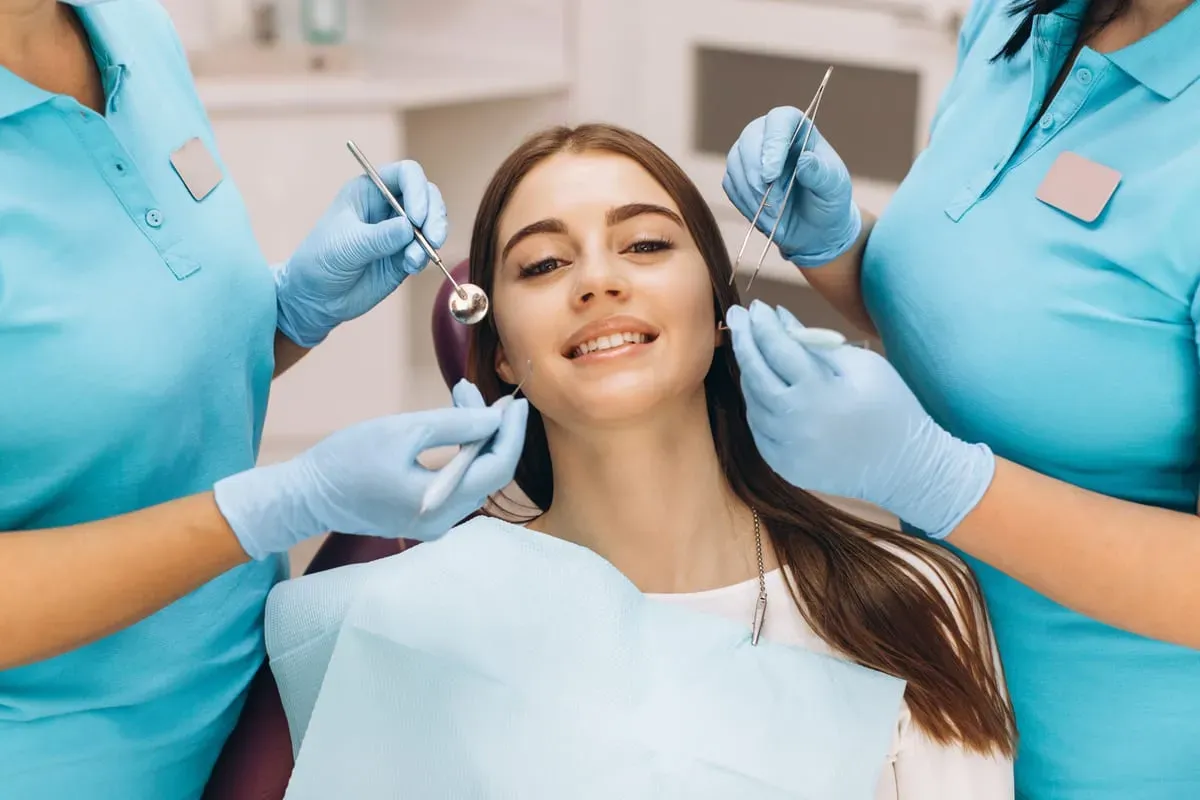
Most people only think about the dentist when something hurts. By the time pain shows up, though, a small problem has often had months or years to grow into a bigger one. Preventive care flips that script. It is built around the simple idea that catching trouble early, or stopping it before it starts, is almost always easier, less expensive, and less stressful than fixing a full-blown dental emergency.
At Sahara Family Dental, we see preventive care as the single most valuable thing we offer our Montebello neighbors. It is not glamorous. There is no dramatic transformation photo. But the patients who stick with regular cleanings, exams, and at-home habits are, year after year, the ones who keep their natural teeth longer, spend less on dental work, and walk into our office without dreading what we might find.
This guide covers what preventive dentistry actually includes, why it matters more than most people realize, and how you can build it into your family's routine without a lot of extra effort. Whether you have not been to a dentist in a while or you are simply trying to understand why we recommend what we do, this article will walk you through it in plain language.
What Preventive Dental Care Actually Includes
Preventive care is a broad term that covers every step taken to stop dental problems before they require more invasive treatment. It starts with the basics: a professional cleaning that removes plaque and tartar your toothbrush cannot reach, followed by a thorough exam where we check your teeth, gums, bite, and jaw for anything out of the ordinary. We also take X-rays periodically to spot decay between teeth or below the gumline, long before it becomes visible or painful.
Beyond cleanings and exams, preventive dentistry includes a handful of targeted treatments designed for specific risk factors. For patients prone to cavities, we often recommend fluoride treatments to strengthen enamel. For children and adults with deep grooves in their molars, dental sealants add a thin protective barrier over the chewing surfaces where food and bacteria tend to collect. These are quick, painless additions to a standard appointment, but they make a real difference in how many fillings a person needs over a lifetime.
Preventive care also means watching for issues beyond cavities. During every exam, our team screens for early signs of gum disease, bite problems, teeth grinding, and oral cancer. It is a comprehensive check, not just a quick look and a cleaning. That broader view is what allows us to catch things like a cracked filling or early bone loss around the gums before you ever feel a symptom.
Why Preventive Care Matters More Than You Think
It is tempting to skip a routine cleaning when nothing hurts, but dental problems rarely announce themselves early. Tooth decay, gum disease, and even oral cancer can progress for months without causing noticeable pain. By the time you feel discomfort, the damage is often significant enough to require a filling, a crown, a root canal, or worse. Preventive visits let us intervene while a problem is still small, inexpensive, and easy to treat.
There is also a financial side to this that patients appreciate once they understand it. A routine cleaning and exam costs a fraction of what a root canal or extraction runs, and insurance plans typically cover preventive visits at close to 100 percent because insurers know the math works in everyone's favor. Skipping two years of cleanings to "save money" often ends up costing far more once a cavity turns into a cracked tooth that needs a crown or, in more advanced cases, tooth extraction.
- Fewer fillings and crowns over time: Catching decay in its earliest stage, before it reaches the inner tooth, often means a small filling instead of a larger restoration.
- A connection to overall health: Gum disease has been linked to heart disease, diabetes complications, and respiratory issues, so healthy gums support more than just your smile.
- Lower long-term costs: Preventive visits are inexpensive compared to restorative or surgical treatment, and most dental plans cover them generously.
- Early detection of serious conditions: Routine exams include a screening for oral cancer, which is far more treatable when found early.
How Often You Really Need Checkups and Cleanings
The standard recommendation of a cleaning and exam every six months works well for most people, but it is not a one-size-fits-all rule. Your actual ideal interval depends on your oral health history, how quickly you tend to build up tartar, whether you have had gum disease, and factors like smoking or certain medications that affect saliva flow. During your visits, our team pays attention to these patterns and will let you know if a three-month or four-month schedule would serve you better.
Patients who have had periodontal treatment, for example, often benefit from more frequent maintenance visits, sometimes paired with scaling and root planing to keep gum pockets clean and stable. On the other end of the spectrum, some patients with excellent home care and low cavity risk do fine on a longer interval, though we rarely recommend stretching much past six months since plaque and tartar build up regardless of how healthy your mouth currently looks.
If it has been more than a year since your last visit, do not let embarrassment keep you away. We see patients returning after long gaps all the time, and our only goal at that first appointment is to get a clear picture of where things stand so we can build a realistic plan from there.
Building Preventive Habits at Home
Professional cleanings matter, but they only happen a couple of times a year. What you do every single day at home has a far bigger cumulative effect on your oral health. Brushing twice daily with a fluoride toothpaste, for a full two minutes each time, removes the plaque that forms constantly on your teeth. Many people brush too quickly or miss the gumline, which is exactly where decay and gum inflammation tend to start.
Flossing is the step people skip most often, yet it is the only way to clean between teeth where a toothbrush cannot reach. If you grind your teeth at night or play contact sports, a properly fitted guard protects your enamel from damage that no amount of brushing can prevent on its own. We custom fit both night guards for grinding and sports mouthguards for athletes, since the store-bought versions rarely fit well enough to offer real protection.
Diet Plays a Bigger Role Than Most People Assume
Frequent snacking on sugary or starchy foods keeps your mouth in an acidic state for hours at a time, which is what actually wears down enamel, not just the sugar itself. Drinking water throughout the day, limiting between-meal snacking, and choosing fewer sticky or sugary foods all reduce the workload your saliva has to do to neutralize acid and protect your teeth naturally.
Preventive Care for Kids and Teens
Children's teeth are more vulnerable to decay than adult teeth because their enamel is thinner and still developing. This makes preventive dentistry especially important early in life, both to protect baby teeth and to establish habits that carry into adulthood. We recommend bringing children in for their first dental exam around their first birthday or when their first tooth appears, whichever comes first.
As children grow, sealants and fluoride treatments become particularly valuable, since kids are still learning proper brushing technique and often miss spots that adults would catch. Our pediatric dentistry appointments are built to be comfortable and low-pressure, which helps children build positive associations with dental visits instead of fear.
Teenagers bring their own set of preventive concerns, from orthodontic appliances that trap extra plaque to the dietary habits that come with a busier, more independent lifestyle. Staying consistent with cleanings through the teen years helps avoid the kind of decay that can otherwise show up right as a young person transitions into adult dental care.
Warning Signs You Should Not Ignore Between Visits
Preventive care works best when it is a partnership. We handle the professional side during your visits, but you are the one who notices the first signs of trouble between appointments. Bleeding gums when you brush or floss, for instance, is never "normal," even though it is common. It is usually an early sign of gum inflammation that can be reversed quickly if addressed, but can progress toward gum disease if ignored for months or years.
Tooth sensitivity to hot, cold, or sweet foods, persistent bad breath, or a dull ache that comes and goes are all worth mentioning to us even if they do not seem severe. These symptoms often point to something treatable with a simple filling or a minor adjustment, rather than something that requires extensive root canal therapy after months of neglect. If you ever experience sudden, severe pain or swelling, do not wait for your next scheduled cleaning; that calls for prompt attention through emergency dental care.
Key Takeaways
- Preventive care, including routine cleanings, exams, and X-rays, catches problems early when they are smaller and far less expensive to treat.
- Fluoride treatments and sealants add extra protection for patients and children who are more prone to cavities.
- Most people benefit from a cleaning every six months, though some need more frequent visits based on their individual oral health history.
- Daily brushing, flossing, and limiting sugary snacks have a bigger cumulative effect on your teeth than any single dental visit.
- Symptoms like bleeding gums or sensitivity should never be ignored; they are early signals worth addressing right away.
Frequently Asked Questions
Does insurance usually cover preventive dental visits?
Most dental insurance plans cover preventive care, including routine cleanings, exams, and X-rays, at or near 100 percent, often with two covered visits per year. Our front office team can verify your specific benefits before your appointment so there are no surprises.
What happens if I skip preventive visits for a few years?
Plaque and tartar build up steadily without professional cleaning, which increases the risk of cavities and gum disease. Many patients returning after a gap need a more thorough first visit, sometimes including a deeper cleaning, but there is no judgment involved; we simply focus on getting you back on track.
Are dental X-rays safe, and how often do I need them?
Modern digital X-rays use very low radiation levels and are considered safe for routine use. Most patients need a basic set once a year, though the exact frequency depends on your cavity risk and whether we are monitoring a specific area.
Can preventive care help if I already have a filling or crown?
Yes. Preventive visits help us monitor existing restorations for wear, cracks, or leakage around the edges, catching problems before a filling or crown fails completely. Ongoing care extends the life of past dental work significantly.
At what age should preventive care start for children?
We recommend a child's first dental visit by their first birthday or shortly after their first tooth comes in. Starting early lets us monitor development, apply protective treatments when appropriate, and help your child feel comfortable with routine visits from the start.
Making Preventive Care Part of Your Routine
Preventive dentistry is not complicated, but it does require consistency. Showing up for your scheduled cleanings, staying honest with your dentist about symptoms, and keeping up with brushing and flossing at home are the three pillars that keep most dental problems from ever becoming serious. None of it requires dramatic lifestyle changes; it just requires steady follow-through over time.
Our team at Sahara Family Dental has spent years helping Montebello families build exactly this kind of routine, and we know every patient's needs are a little different. If it has been a while since your last cleaning, or you simply want a clear plan for keeping your family's smiles healthy going forward, we are ready to help you put one together.