433 N 4th St #210, Montebello, CA 90640, United States
 (323) 888-1030




Most people brush and floss, show up for their twice-yearly cleaning, and assume their gums are in good shape. But gum disease often develops quietly, without pain, until a dentist points out bleeding, pocketing, or bone loss on an X-ray. If you have recently been told you need scaling and root planing, you are probably wondering what the procedure actually involves, whether it will hurt, and why a "regular cleaning" is no longer enough.
Scaling and root planing is one of the most effective, well-researched treatments in dentistry for stopping gum disease before it costs you teeth. It is not cosmetic, and it is not optional once periodontal disease has taken hold - it is the foundation that keeps your bite, your jawbone, and your overall health intact for decades to come.
At Sahara Family Dental, we see patients throughout Montebello at every stage of gum disease, from early inflammation to more advanced bone loss. This guide walks through what scaling and root planing actually does, how to know if you need it, what the appointment feels like, and how to protect your results afterward. Our goal is to make sure you walk into that appointment informed and confident rather than anxious.
What Scaling and Root Planing Actually Involves
Scaling and root planing, often called SRP or "deep cleaning," is a two-part, non-surgical procedure designed to treat gum disease below the gumline, in the areas a standard cleaning cannot reach. Scaling removes plaque and hardened tartar from the tooth surface and from the periodontal pockets that form when gums pull away from teeth. Root planing goes a step further, smoothing the root surfaces themselves so that bacteria have a harder time reattaching and the gum tissue has a better chance to reattach and heal.
This is different from a routine cleaning in a meaningful way. A standard cleaning, part of our teeth cleanings program, addresses plaque and tartar above the gumline and in shallow pockets. Once periodontal pockets deepen past about 4 millimeters, that surface-level cleaning no longer reaches the bacteria causing the damage. Deep cleaning is the targeted response to that deeper infection, and it is typically completed in sections, often split by quadrant of the mouth, using local anesthesia to keep the process comfortable.
It is worth understanding that SRP is a treatment for an active disease process, not a preventive luxury. Periodontal disease is a bacterial infection that, left untreated, destroys the connective tissue and bone that hold your teeth in place. Catching it at the gingivitis stage and treating it with scaling and root planing is one of the most cost-effective interventions in dental care, preventing far more expensive and invasive treatment later.
Warning Signs You May Need Deep Cleaning
Gum disease earns its reputation as a "silent" condition because early symptoms are easy to dismiss. Many patients notice a little blood when they spit after brushing and assume they just brushed too hard. In reality, bleeding gums are almost always a sign of inflammation, and inflammation is the first stage of a disease process that, over months or years, can progress from gingivitis to periodontitis.
During your exam, we measure the depth of the pockets around each tooth with a small probe, and we review your dental X-rays for signs of bone loss. These measurements, not guesswork, determine whether scaling and root planing is the right next step. That said, there are symptoms you can watch for at home that often indicate it is time to schedule an evaluation.
- Bleeding when you brush or floss: Healthy gums do not bleed during normal hygiene; persistent bleeding signals active inflammation beneath the surface.
- Chronic bad breath: Odor that does not resolve with brushing or mouthwash is often caused by bacteria trapped in deep periodontal pockets.
- Gum recession or teeth that look longer: As attachment is lost, gum tissue pulls back, exposing more of the root surface.
- Loose or shifting teeth: Advanced bone loss can cause subtle mobility that patients often notice while chewing or flossing.
- Increased sensitivity near the gumline: Exposed root surfaces from recession are far more sensitive to hot, cold, and sweet foods.
What to Expect During the Appointment
We understand "deep cleaning" sounds intimidating, and patients often picture something closer to a surgical procedure than a dental cleaning. In practice, most patients are pleasantly surprised by how manageable the appointment is. Before we begin, we numb the treatment area with a local anesthetic, which means the scaling and root planing itself should not be painful, even though you are aware of pressure and the sound of the instruments.
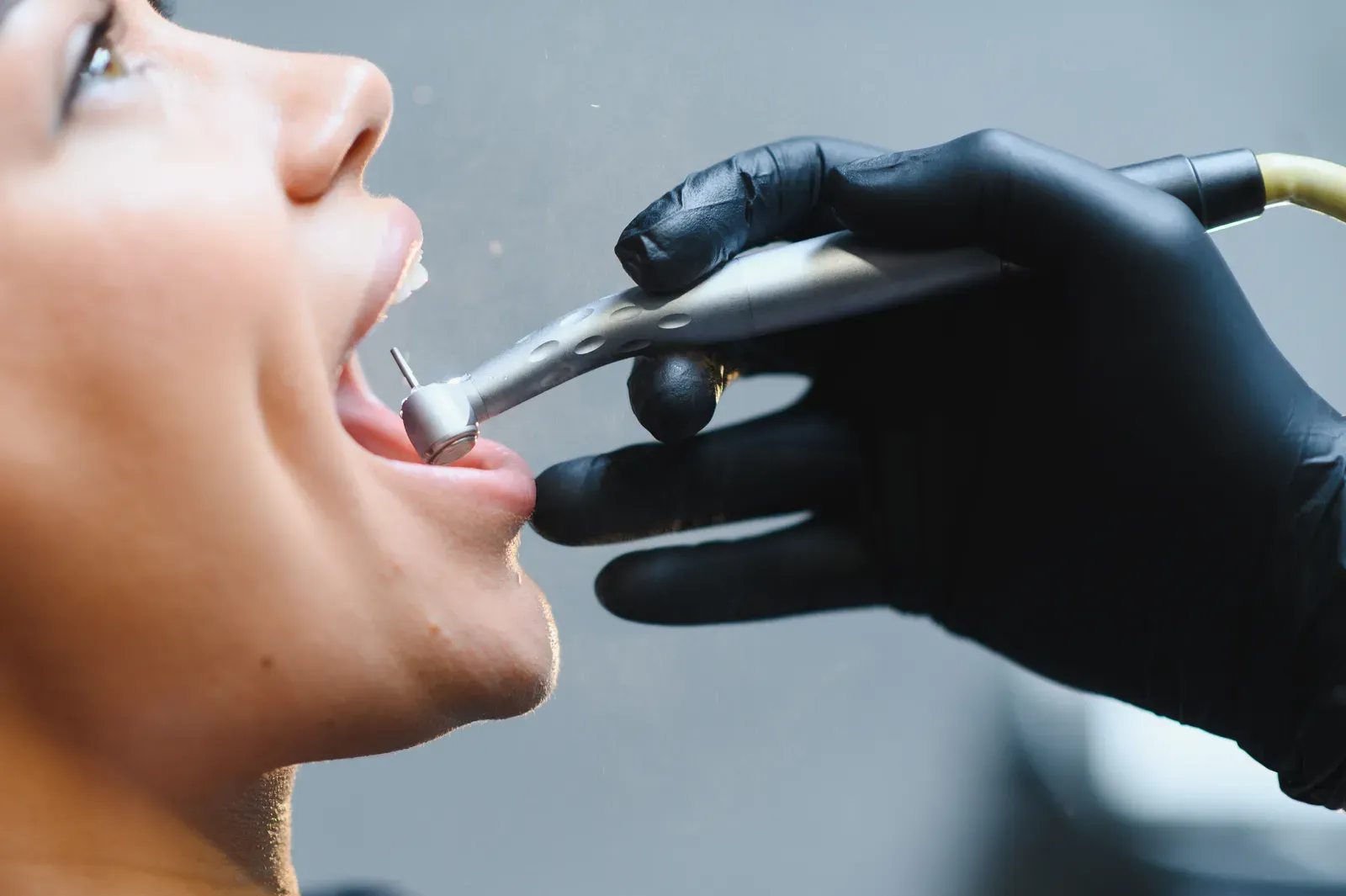
Because thorough treatment of the entire mouth in one sitting can be a lot for most patients, we typically break the procedure into two or more visits, treating one side of the mouth at a time. This also gives our team a chance to monitor how your gums respond to initial treatment before moving forward. We use a combination of hand instruments and ultrasonic scalers, which use gentle vibration to break up tartar efficiently while minimizing the time instruments spend against sensitive tissue.
Depending on the severity of your periodontal disease, we may also recommend an antimicrobial rinse or localized antibiotic placed directly into deep pockets to help control bacteria while your gums heal. We will walk you through exactly what we find in your case and explain our reasoning before any treatment begins, so there are no surprises once you are in the chair.
Recovery, Sensitivity, and Healing Timeline
Recovery from scaling and root planing is generally mild compared to what people expect. Some tenderness, minor swelling, and increased sensitivity to temperature are common for the first few days as the numbness wears off and the gum tissue begins to heal around the newly smoothed root surfaces. Most patients find over-the-counter pain relievers more than sufficient to manage any discomfort.
We generally recommend sticking to softer foods for a day or two, avoiding anything extremely hot, cold, or spicy while the tissue settles, and being gentle but consistent with brushing and flossing. Rinsing with warm salt water can help soothe the area and support healing. Within a week or two, most patients notice gums that look healthier, feel firmer, and bleed less during normal brushing.
Signs Your Gums Are Healing Properly
You should expect gradually decreasing sensitivity, a reduction in bleeding, and gum tissue that begins to look pink and firm rather than red and puffy. If you notice increasing pain, swelling, or pus after the first several days, that is a reason to call our office rather than wait it out, since it can indicate a secondary infection that needs attention.
Protecting Your Results Long-Term
Scaling and root planing treats the active infection, but it does not change the fact that you are more prone to gum disease than someone whose gums have never been affected. That is why ongoing periodontal maintenance is such a critical part of the process. Rather than returning to a standard six-month cleaning schedule, most patients move to maintenance visits every three to four months, which allows us to monitor pocket depths and catch any recurrence of bacteria early.
At-home habits matter just as much as what happens in our chair. Brushing twice daily with a soft-bristled brush, flossing or using an interdental brush every day, and using an antimicrobial mouth rinse if recommended all help keep bacteria from rebuilding below the gumline. We also encourage patients to be honest with us about smoking, since tobacco use significantly reduces the gum tissue's ability to heal and increases the likelihood that periodontal disease will return.
For patients managing other risk factors like diabetes, keeping blood sugar well controlled also makes a measurable difference in how well your gums respond to treatment and stay healthy afterward. We treat scaling and root planing as the start of an ongoing partnership rather than a one-time fix, and we will build a maintenance schedule around your specific risk level and healing response.
When Deep Cleaning Alone Isn't Enough
For many patients, scaling and root planing fully resolves the problem, and pocket depths shrink enough that no further intervention is needed beyond regular maintenance. But for some, particularly those with more advanced bone loss or pockets that remain deep after healing, additional periodontal treatment may be necessary. This is a normal part of managing gum disease at different stages, and it does not mean the initial treatment failed.
Our broader periodontics services allow us to re-evaluate pocket depths a few weeks after SRP and determine next steps together with you. In cases where teeth have already been lost to advanced gum disease, we also offer solutions like dental implants and dentures to restore function and appearance once the underlying infection is controlled.
The important thing to understand is that periodontal disease is manageable at almost every stage, provided it is treated consistently and monitored closely. Waiting, on the other hand, almost always makes treatment more involved and more expensive down the line.
Key Takeaways
- Scaling and root planing treats gum disease below the gumline, reaching bacteria a routine cleaning cannot touch.
- Bleeding gums, persistent bad breath, and gum recession are early warning signs worth having evaluated promptly.
- Local anesthesia keeps the procedure comfortable, and recovery typically involves only mild, short-lived sensitivity.
- Three to four-month periodontal maintenance visits are essential to keeping gum disease from returning after treatment.
- Advanced cases may require additional periodontal care, but early, consistent treatment prevents most of that need.
Frequently Asked Questions
Is scaling and root planing painful?
We numb the treatment area with local anesthesia before beginning, so the procedure itself is typically comfortable rather than painful. Some mild soreness or sensitivity afterward is normal and generally resolves within a few days with basic over-the-counter pain relief.
How is this different from a regular cleaning?
A regular cleaning addresses plaque and tartar above the gumline and in shallow pockets, while scaling and root planing targets infection and buildup deeper below the gumline, where periodontal disease actually takes hold. It also involves smoothing root surfaces to help gum tissue reattach, which a standard cleaning does not do.
How many visits does treatment usually take?
Most patients complete treatment over two appointments, with each visit addressing one half of the mouth. Severity, pocket depth, and how comfortable you are determine whether we recommend splitting treatment further or completing it in fewer visits.
Will my insurance cover scaling and root planing?
Many dental insurance plans cover scaling and root planing, at least partially, once a diagnosis of periodontal disease is documented through pocket measurements and X-rays. Our front desk team can review your specific plan details and help you understand your coverage before treatment begins.
What happens if I skip treatment?
Untreated gum disease continues to destroy the bone and connective tissue supporting your teeth, often leading to tooth mobility, tooth loss, and more complex, costly treatment later on. Research also links untreated periodontal disease to broader health concerns, including cardiovascular issues, making early treatment valuable well beyond your smile.
Taking the Next Step for Healthier Gums
Gum disease is manageable, predictable, and treatable when it is caught and addressed properly, and scaling and root planing remains one of the most reliable tools available for stopping its progression. Understanding what the procedure involves, recognizing the early warning signs, and committing to a maintenance routine afterward all give you a real, lasting advantage in protecting your teeth and gums for years to come.
If you have noticed bleeding gums, persistent bad breath, or changes in how your teeth fit together, do not wait for the problem to progress. Our team at Sahara Family Dental has experience guiding Montebello patients through every stage of periodontal care, from the first evaluation through long-term maintenance, with the goal of keeping your natural teeth healthy and secure for life.