433 N 4th St #210, Montebello, CA 90640, United States
 (323) 888-1030




If your last dental visit ended with the words "you have some gum disease" or "we're seeing bone loss around a few teeth," you're not alone. Gum disease is one of the most common conditions we see at our Montebello practice, and it rarely announces itself with pain until it has already done real damage. The good news is that in its early-to-moderate stages, it's very treatable, and scaling and root planing is the procedure most often responsible for turning things around.
Unlike a routine cleaning, scaling and root planing reaches below the gumline, where a regular toothbrush and floss simply can't go. It's a more involved process, but it's also one of the most effective, non-surgical ways to stop gum disease from progressing and to help your gums reattach to your teeth. If you've been told you need this treatment, or you're simply curious about what it involves, this guide walks through everything from the warning signs to what recovery actually feels like.
We also want you to walk away from this article with a realistic sense of what to expect, because knowing what's coming makes the whole experience far less intimidating. Let's get into the details.
What Scaling & Root Planing Actually Involves
Scaling and root planing, often called a "deep cleaning," is a two-part procedure designed to treat gum disease that has progressed beyond what a standard cleaning can fix. Scaling removes plaque and tartar (hardened, calcified plaque) from the tooth surface and from pockets that have formed between the tooth and gum. Root planing then smooths the root surfaces underneath the gumline, removing bacterial toxins and rough spots where bacteria like to collect.
This matters because once gum disease moves past the earliest stage, called gingivitis, it starts to create pockets of space between the tooth and the surrounding gum tissue. Those pockets become a safe haven for bacteria that a toothbrush can never reach. Over time, those bacteria contribute to inflammation, bone loss, and eventually loose or lost teeth if nothing is done. Scaling and root planing physically clears out that bacterial buildup and gives the gum tissue a clean surface to heal against.
It's worth noting that this treatment sits within the broader field of periodontics, which focuses specifically on the structures that support your teeth: the gums, ligaments, and bone. When caught at this stage, most patients can manage their condition with deep cleanings and improved home care, without needing surgical intervention down the road.
Signs You May Need This Treatment
Gum disease is sneaky in its early stages. Many patients come in for a routine checkup with no idea anything is wrong, only to learn their gums are bleeding more than they realize or that pocket depths have increased since their last visit. Paying attention to a few key symptoms can help you catch problems before they become more serious.
-
Bleeding when you brush or floss: Healthy gums don't bleed during normal hygiene. Consistent bleeding is one of the earliest and most reliable signs of inflammation below the surface.
-
Persistent bad breath: Odor that doesn't go away with brushing is often caused by bacteria thriving in deep gum pockets, not just something you ate.
-
Gums that look like they're pulling away: Recession that makes teeth appear longer is a sign the supporting tissue is losing its grip.
-
Teeth that feel loose or shift position: This usually indicates bone loss has already begun and warrants prompt evaluation.
-
Measured pocket depths over 4 millimeters: This is something we check at every exam with a small probe, and it's often the clearest clinical indicator that deep cleaning is needed.
What Happens During Your Appointment
Before any scaling begins, we take a full assessment of your gum health, which typically includes measuring pocket depths at several points around each tooth and reviewing dental X-rays to check for bone loss. This gives us a clear picture of which areas need the most attention and how advanced the gum disease has become. Mild cases might be treated in a single visit, while more extensive disease is often addressed in two appointments, treating one side of the mouth at a time.
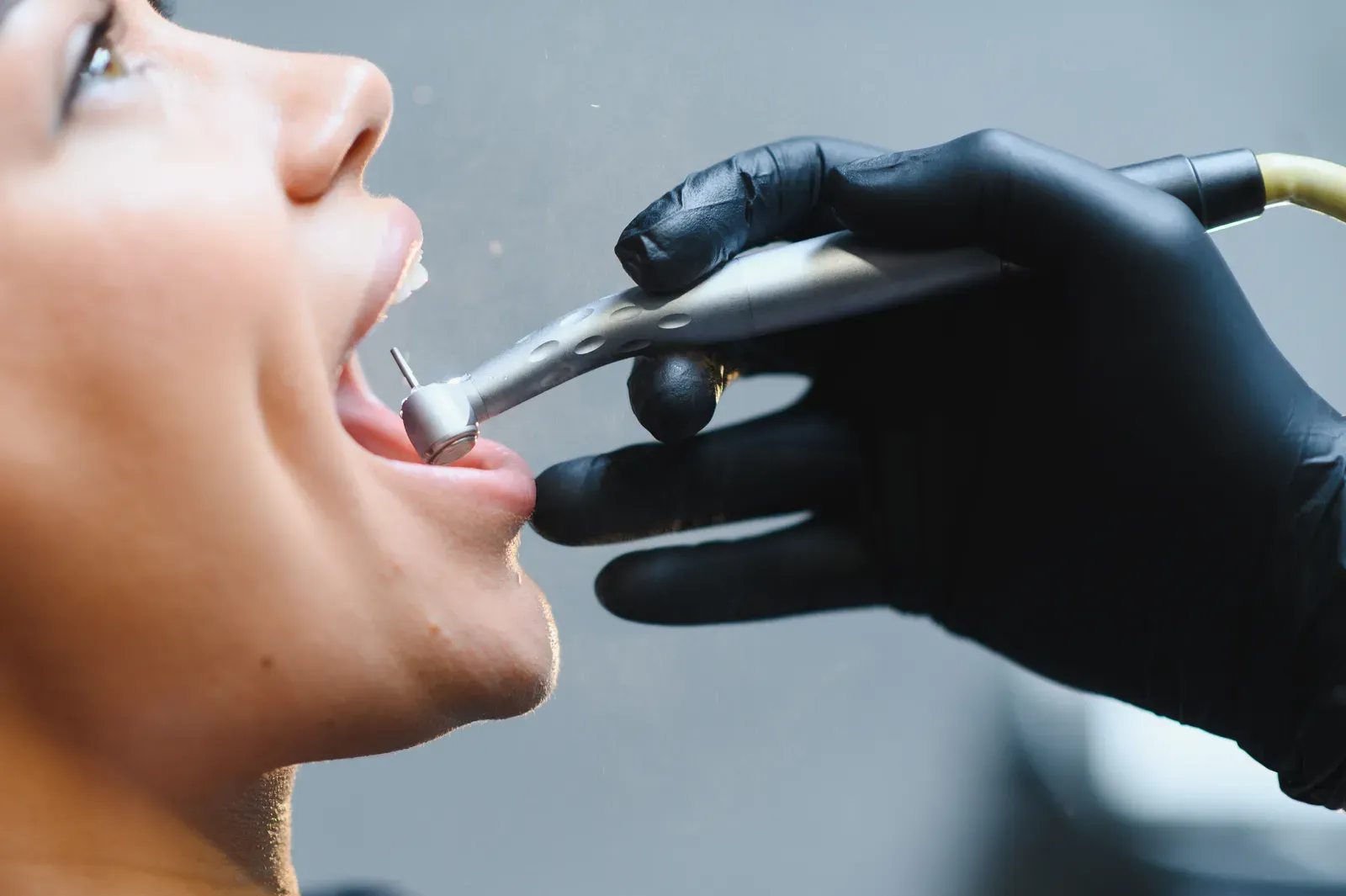
Because root planing reaches below the gumline, we numb the treatment area first so you're comfortable throughout. Using specialized hand instruments and ultrasonic scaling tools, we carefully remove plaque and calculus from both the tooth crown and the root surface, then smooth the root to discourage bacteria from reattaching. Most appointments take somewhere between 45 minutes and an hour per quadrant, depending on how much buildup needs to be addressed.
Patients sometimes ask whether this is painful. With proper numbing, most people describe it as more about pressure and vibration than pain. We'll check in with you throughout, and if you have anxiety about dental visits in general, let us know ahead of time. We're happy to talk through options that make the appointment easier for you.
Healing and Recovery After Treatment
Recovery from scaling and root planing is generally straightforward, but it's not instant. For the first day or two, it's common to experience some gum tenderness, mild swelling, and sensitivity to hot or cold, especially around the roots that were just treated. Over-the-counter pain relief is usually enough to manage any discomfort, and most patients are back to their normal routine within a day.
We'll typically recommend a soft food diet for the first 24 to 48 hours, and we may suggest a prescription or over-the-counter antimicrobial rinse to help control bacteria while your gums heal and start to reattach to the tooth surface. Avoid anything very hot, spicy, or crunchy during this window, since your gum tissue is in a more sensitive, vulnerable state than usual.
When We'll Check Your Progress
About four to six weeks after treatment, we'll schedule a follow-up to re-measure your pocket depths and see how well your gums have responded. This gives us a concrete way to track healing and decide whether additional treatment, or a more frequent cleaning schedule, makes sense going forward.
Long-Term Benefits for Your Oral and Overall Health
The most immediate benefit of scaling and root planing is halting the progression of gum disease before it advances to a stage that requires surgery or results in tooth loss. By removing the bacterial source of inflammation, the procedure allows your gum tissue to tighten back around the tooth and, in many cases, reduces pocket depth over time. That means less space for bacteria to hide and a lower risk of future flare-ups.
There's also a connection between gum health and your broader health that's worth mentioning. Research has linked periodontal disease to increased risks for conditions like heart disease, diabetes complications, and respiratory issues, likely because chronic inflammation in the mouth doesn't stay isolated there. Treating gum disease at this stage isn't just about saving teeth; it's a meaningful step toward protecting your overall health as well.
Patients who complete deep cleaning and stay consistent with follow-up care also tend to avoid more invasive and costly treatments later, such as gum surgery, bone grafting, or the eventual need for extractions and tooth replacement. In that sense, investing in this treatment now is one of the more cost-effective decisions you can make for your long-term dental health.
Keeping Your Gums Healthy After Treatment
Scaling and root planing resets the foundation, but keeping your gums healthy long-term depends on what you do afterward. Most patients move to a periodontal maintenance schedule, which typically means more frequent cleanings, often every three to four months rather than the standard six-month interval, so we can monitor pocket depths and catch any new buildup early.
At home, consistent brushing twice daily, daily flossing, and using an antimicrobial mouth rinse if recommended all make a real difference in how well your results hold up. If you grind your teeth at night or play contact sports, protecting your teeth and gums with a properly fitted night guard or sports mouthguard can also help prevent additional strain on gum tissue that's still healing or recovering its strength.
We also encourage patients not to skip their regular teeth cleanings once they're back on a standard schedule, since consistency is really what prevents gum disease from returning. Small habits, kept up over months and years, are what make the biggest difference in protecting the work we've done together.
Key Takeaways
- Scaling and root planing cleans below the gumline, targeting bacteria a regular cleaning can't reach.
- Bleeding gums, bad breath, and gum recession are early signs this treatment may be needed.
- The procedure is done with local anesthesia and typically completed in one or two visits.
- Follow-up maintenance cleanings every three to four months help preserve your results.
- Treating gum disease early protects both your teeth and your broader overall health.
Frequently Asked Questions
Is scaling and root planing the same as a regular cleaning?
No. A regular cleaning removes plaque and tartar above the gumline for patients with healthy gums. Scaling and root planing is a deeper treatment that cleans and smooths tooth roots below the gumline, specifically for patients showing signs of gum disease.
Will my insurance cover this treatment?
Most dental insurance plans provide at least partial coverage for scaling and root planing because it's considered a medically necessary treatment rather than a cosmetic procedure. Our front desk team can help verify your specific benefits before your appointment.
How many appointments does it take to complete?
It depends on the extent of your gum disease. Many patients complete treatment in two visits, with one side of the mouth treated per appointment, though mild cases are sometimes finished in a single longer visit.
Does it hurt during or after the procedure?
We numb the treatment area before starting, so most patients feel pressure rather than pain during the appointment itself. Afterward, mild soreness and sensitivity are normal for a day or two and typically respond well to over-the-counter pain relief.
What happens if I skip treatment after being diagnosed with gum disease?
Untreated gum disease tends to worsen progressively, leading to deeper pockets, more bone loss, and eventually loose or lost teeth. Addressing it with scaling and root planing early on is almost always simpler and less costly than treating advanced periodontal disease later.
Protecting Your Smile Starts With Healthy Gums
Gum disease doesn't have to mean losing teeth or facing complicated procedures down the road. Scaling and root planing gives our Montebello patients a practical, proven way to stop the condition in its tracks, often before it ever requires surgical treatment. The sooner it's addressed, the simpler and more effective the process tends to be.
If you've noticed bleeding gums, persistent bad breath, or it's simply been a while since your last periodontal evaluation, there's no better time to get checked. A thorough exam will tell us exactly where your gum health stands and whether this treatment is the right next step for you.