433 N 4th St #210, Montebello, CA 90640, United States
 (323) 888-1030



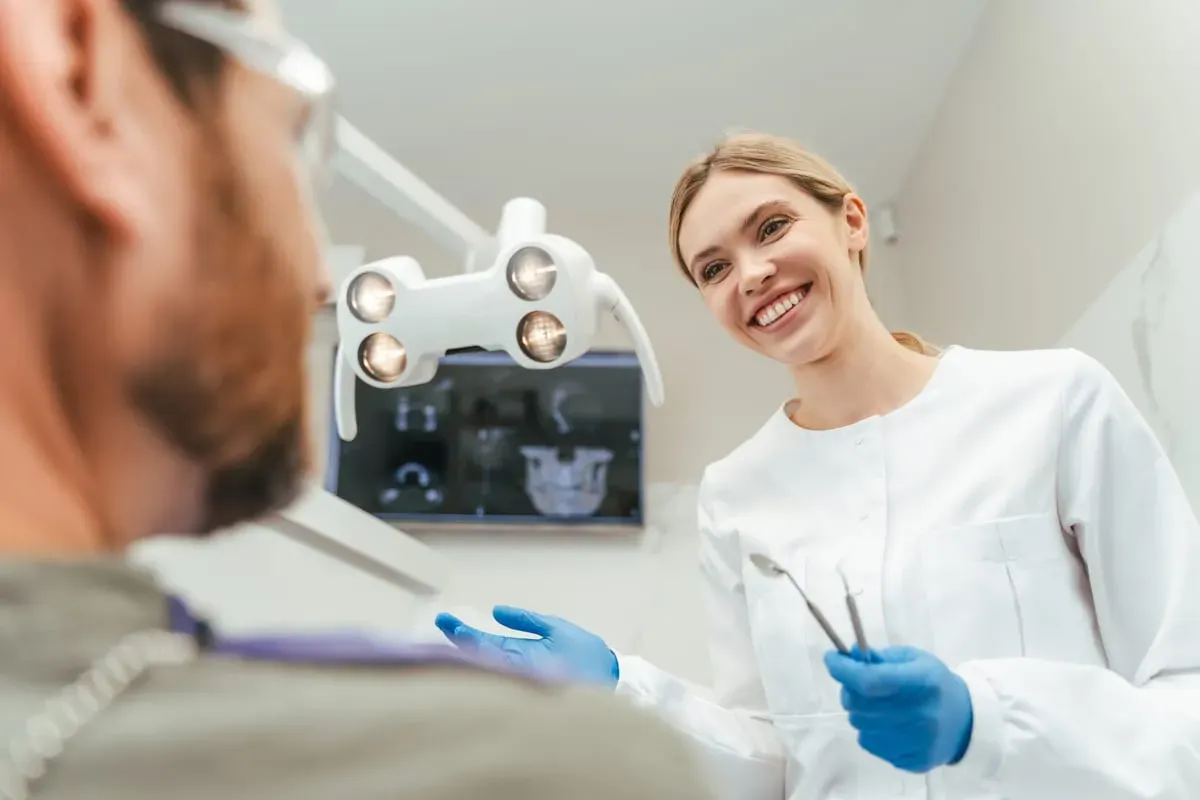
Most of us know we're supposed to get our teeth cleaned twice a year, but far fewer people understand what actually happens in that chair or why it matters so much for long-term health. Brushing and flossing at home go a long way, but they can't reach everywhere plaque and tartar like to hide. That's where a professional cleaning earns its keep.
At Sahara Family Dental in Montebello, we see the full range of outcomes that come from consistent preventive care versus skipped appointments. The difference shows up in gum health, cavity rates, and even in how fresh your breath stays between visits. A routine cleaning is quick, comfortable, and one of the most cost-effective things you can do for your oral health.
This guide walks through exactly what happens during a cleaning, how often you actually need one, what the tools and sensations mean, and how to get the most value out of every visit. Whether you're due for your next appointment or just curious about the process, you'll find practical, no-nonsense answers here.
In This Article
What Actually Happens During a Professional Cleaning
A professional cleaning, also called prophylaxis, is more involved than it might seem from the outside. Your hygienist starts with a physical exam of your mouth, checking for visible signs of decay, inflammation, or other concerns before any instruments come out. This quick visual check matters because it can catch early warning signs that you'd never notice on your own.
Next comes scaling, where a hygienist uses a small metal tool (or an ultrasonic device that vibrates at a high frequency) to remove plaque and tartar buildup along the gumline and between teeth. This is the part that produces the scraping sound patients sometimes mention, but it's not painful when teeth and gums are healthy. After scaling, your teeth get polished with a gritty paste that buffs away surface stains and leaves enamel smooth, which actually makes it harder for plaque to stick in the future.
The appointment usually wraps up with flossing, a fluoride rinse, and sometimes a fluoride treatment if your dentist recommends extra enamel protection. Most routine cleanings are paired with a dental exam and, depending on your history, X-rays to check for issues below the surface. The whole process typically takes 30 to 60 minutes and shouldn't leave you in any discomfort.
How Often You Really Need a Cleaning
The standard recommendation of a cleaning every six months works well for most people with average oral health and no major risk factors. That interval gives tartar enough time to form but doesn't let it accumulate to the point where it starts damaging gum tissue. For many patients, sticking to this schedule is genuinely all it takes to avoid bigger problems down the road.
That said, six months isn't a universal rule. Some patients benefit from more frequent visits, and our team at Sahara Family Dental adjusts recommendations based on your individual history and current oral health rather than a one-size-fits-all calendar.
- Patients with gum disease history
Those managing or recovering from periodontal issues often need cleanings every three to four months to keep inflammation under control.
- Smokers and tobacco users
Tobacco accelerates tartar buildup and slows gum healing, which usually calls for a shorter interval between visits.
- Patients with diabetes
Diabetes affects healing and increases infection risk, so more frequent monitoring helps catch problems early.
- Kids and teens building habits
Younger patients benefit from regular visits that reinforce good brushing technique while their adult teeth come in.
Plaque, Tartar, and Why Brushing Alone Isn't Enough
Plaque is a soft, sticky film of bacteria that forms on your teeth constantly, usually within hours of eating. It's easy to remove with a toothbrush and floss when it's fresh, which is exactly why daily brushing matters so much. The problem is that plaque you miss, especially along the gumline and between teeth, hardens into tartar within a day or two.
Once plaque calcifies into tartar, no amount of brushing at home will remove it. Tartar bonds directly to enamel and creates a rough surface that attracts even more bacteria, which is how small problems snowball into gum inflammation and cavities. Only a dental instrument can safely break that bond without damaging the tooth underneath.
This is the core reason professional teeth cleanings remain irreplaceable even for people with excellent home-care habits. You can floss every single night and still develop tartar in spots your brush simply can't reach effectively, particularly along the back molars and behind the lower front teeth.
Why Your Teeth Feel Sensitive or Smooth Afterward
It's common to notice your teeth feel unusually smooth, and sometimes a little sensitive, right after a cleaning. The smoothness comes from the polishing step, which removes surface stains and leaves a glassy finish on your enamel that temporarily resists plaque attachment. That sensation usually fades within a day as your saliva re-coats the tooth surface naturally.
Sensitivity, on the other hand, usually happens when tartar has been covering exposed areas near the gumline for a while. Once that tartar is removed, those areas are exposed to air and temperature again, sometimes for the first time in months. This kind of sensitivity is typically mild and temporary, but if it lingers more than a few days or feels sharp, it's worth mentioning to your dentist.
Patients who experience persistent sensitivity after cleanings sometimes have mild gum recession or early enamel wear, both of which your dentist can evaluate and address. In some cases, a desensitizing treatment or a change in toothpaste is all it takes to resolve the issue going forward.
The Link Between Cleanings and Gum Disease Prevention
Gum disease begins quietly. Early-stage gingivitis often shows no pain at all, just slightly puffy or bleeding gums that many people dismiss as normal. Left unaddressed, this inflammation can progress into periodontitis, a more serious condition that breaks down the bone and tissue supporting your teeth and can eventually lead to tooth loss.
Regular cleanings interrupt that progression before it starts. By removing tartar buildup along and below the gumline, your hygienist eliminates the bacterial irritants that cause gum tissue to become inflamed in the first place. This is preventive care in its truest sense: addressing the cause before it becomes a bigger, more expensive problem.
If gum disease has already progressed past what a routine cleaning can address, we may recommend scaling and root planing, a deeper cleaning that targets tartar below the gumline and smooths root surfaces so gums can reattach properly. Catching things at the routine-cleaning stage, though, means you're far less likely to ever need that more intensive treatment.
How to Get the Most Out of Your Appointment
A little preparation makes your cleaning faster, more comfortable, and more informative. You don't need to do anything dramatic beforehand, but a few habits help your hygienist do their job more efficiently and help you walk away with better results.
Before You Sit Down
Brush and floss normally the morning of your appointment, just as you would any other day. There's no benefit to skipping your routine to "save" plaque for the hygienist; in fact, showing up with your typical habits in place gives us the clearest picture of how your home care is working. If you have any new sensitivity, bleeding, or discomfort, mention it right away so we can take a closer look during the exam.
It's also worth bringing an updated list of medications or any changes to your health history, since certain conditions and prescriptions affect gum tissue and healing. If you grind your teeth at night or play contact sports, this is also a good time to ask about night guards or sports mouthguards to protect your teeth between visits. And if you've been putting off other work, like addressing a chipped tooth or discolored filling, a cleaning visit is a convenient time to ask about options such as teeth whitening or restorative treatments while you're already in the chair.
Key Takeaways
- Professional cleanings remove hardened tartar that brushing and flossing alone cannot touch, no matter how diligent your home routine is.
- Most patients need a cleaning every six months, but smokers, diabetics, and those with gum disease history often need more frequent visits.
- Temporary sensitivity or a smooth feeling after a cleaning is normal and usually fades within a day or two.
- Routine cleanings are your best defense against gum disease progressing into more serious, costly periodontal treatment.
- Coming prepared with an updated health history and any concerns helps your hygienist give you more targeted, useful care.
Frequently Asked Questions
Does a professional teeth cleaning hurt?
For most patients, a cleaning is painless and only involves mild pressure or vibration from the scaling instruments. If you have sensitive teeth or inflamed gums, you might feel brief discomfort in those specific spots, and we can use numbing gel or adjust technique to keep you comfortable.
Can I eat right after a cleaning?
Yes, you can eat normally right after your appointment. If you received a fluoride treatment, we usually recommend waiting 30 minutes before eating or drinking so the fluoride has time to absorb into your enamel.
Why do my gums bleed during cleanings?
Bleeding during a cleaning usually signals some level of gum inflammation, often from tartar buildup irritating the tissue. It typically improves as inflammation resolves with consistent cleanings and better home care, but persistent bleeding is worth discussing with your dentist.
Is a cleaning different from a dental exam?
They're related but distinct. A cleaning focuses on removing plaque, tartar, and stains, while an exam involves your dentist checking for cavities, gum disease, bite issues, and other concerns, often with the help of X-rays. Most routine visits combine both in one appointment.
What happens if I skip cleanings for a few years?
Skipping cleanings for an extended period usually allows tartar to accumulate significantly, increasing the risk of cavities and gum disease. Many patients who return after a long gap need a more thorough initial cleaning, and in some cases a referral for deeper periodontal treatment, before returning to a standard six-month schedule.
A Habit Worth Keeping
Teeth cleanings are one of the simplest, most predictable ways to protect your smile for the long run. They catch problems early, keep gum disease at bay, and give you a clear, professional read on how your home care routine is really working. None of that requires anything dramatic on your part, just showing up consistently and being honest with your hygienist about what you're noticing.
Our team at Sahara Family Dental has walked thousands of Montebello patients through this exact process, and we know that a little clarity on what to expect makes the whole experience far less intimidating. If it's been a while since your last visit, or you simply have questions about your current schedule, we're glad to talk it through with you at your next appointment.