433 N 4th St #210, Montebello, CA 90640, United States
 (323) 888-1030



If your dentist has mentioned the words "deep cleaning" or "scaling and root planing" after a recent exam, you are probably not alone, and you are probably wondering what it actually involves. This is one of the most common recommendations we make at Sahara Family Dental, and for good reason: gum disease affects a significant portion of adults at some point in their lives, often without obvious warning signs until it has already taken hold.
Scaling and root planing is a non-surgical treatment designed to stop gum disease in its tracks before it progresses to something more serious, like bone loss or tooth mobility. It is more thorough than a standard cleaning, and it is specifically aimed at the bacteria and buildup that live below the gumline, where a toothbrush and floss simply cannot reach.
In this article, we will walk through exactly what happens during the procedure, how it differs from a routine cleaning, what recovery looks like, and how patients in Montebello benefit from catching gum disease early. Our goal is for you to walk into your appointment feeling informed and at ease, rather than uncertain about what is ahead.
What Scaling and Root Planing Actually Involves
Scaling and root planing is often called a "deep cleaning" because it goes beyond the surface of your teeth. The procedure has two distinct parts. Scaling involves removing plaque and tartar (hardened plaque) from both above and below the gumline, reaching areas that a regular cleaning does not typically address. Root planing then smooths out the root surfaces of the teeth, eliminating rough spots where bacteria like to collect and making it harder for plaque to reattach.
This is different from the routine teeth cleanings most patients have twice a year. A standard cleaning focuses on the visible surfaces of the teeth and the gumline itself, which is sufficient when gums are healthy. Once gum disease has developed, though, bacteria and tartar form pockets below the gum tissue, and those pockets need specialized attention that only scaling and root planing can provide.
The treatment is typically performed in one or two visits, often with the mouth divided into quadrants so your dentist or hygienist can work thoroughly and comfortably. Local anesthesia is commonly used to keep you comfortable throughout, particularly if the gum pockets are deep or sensitive.
Signs You May Need This Treatment
Gum disease often develops quietly. Many patients do not realize anything is wrong until their dentist measures their gum pockets during an exam and finds depths beyond the healthy range. That said, there are physical signs worth paying attention to, and noticing them early can mean a simpler, less invasive path to treatment.
- Gums that bleed easily: Bleeding during brushing or flossing is one of the earliest and most common indicators of gum inflammation.
- Persistent bad breath: Odor that does not go away with brushing can point to bacteria trapped below the gumline.
- Gum recession or tooth sensitivity: As gums pull back from the teeth, roots become exposed and more sensitive to temperature changes.
- Loose or shifting teeth: Advanced gum disease can weaken the bone and ligaments that hold teeth in place.
- Deep gum pockets found at an exam: Measurements of 4 millimeters or more often signal that scaling and root planing is appropriate.
If any of this sounds familiar, it is worth scheduling an evaluation rather than waiting. The earlier gum disease is addressed, the more conservative the treatment tends to be.
What Happens During Your Appointment
Before any scaling begins, we take a close look at your gum health using a periodontal probe to measure pocket depths around each tooth. This gives us an accurate picture of where disease is active and how far it has progressed, which helps us plan the most effective approach for your specific situation.
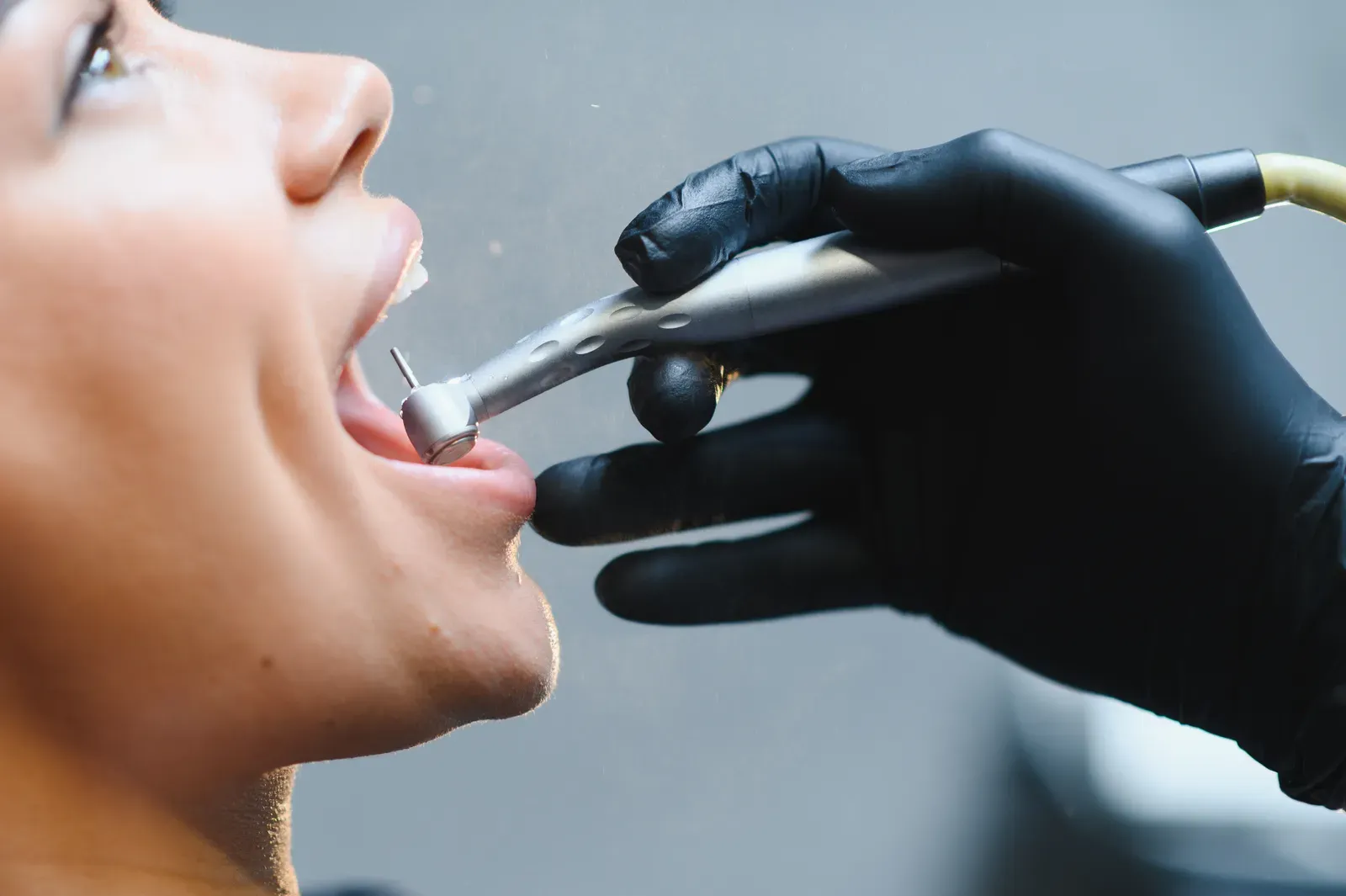
Once we understand the extent of the problem, we numb the treatment area to keep you comfortable, then use specialized instruments, both manual scalers and ultrasonic devices, to remove tartar and bacterial buildup from below the gumline. The root surfaces are then smoothed so the gum tissue can reattach more easily and heal without new buildup forming in the same spots. Depending on how many areas need treatment, this may be completed in a single visit or spread across two appointments, often treating one side of the mouth at a time.
Most patients are surprised by how manageable the appointment feels. With modern anesthesia and a careful, methodical approach, discomfort during the procedure itself is minimal. Afterward, we will schedule a follow-up visit, usually a few weeks later, to measure your gum pockets again and confirm the tissue is healing as expected.
Recovery and Aftercare Expectations
Recovery from scaling and root planing is generally straightforward. It is normal to experience some tenderness, mild swelling, or sensitivity to hot and cold for a few days after treatment, especially as the numbness wears off. Over-the-counter pain relievers are usually enough to manage any discomfort, and most patients return to their normal routine the same day or the next.
We typically recommend sticking to softer foods for the first day or two and avoiding anything especially spicy, acidic, or crunchy while the gum tissue settles. Gentle brushing and rinsing with warm salt water can help soothe the area and support healing. In some cases, particularly where pockets were deep or infection was more advanced, we may prescribe an antimicrobial rinse or, less commonly, a short course of antibiotics to help the tissue recover fully.
Within one to two weeks, you should notice the gums looking pinker and feeling firmer against the teeth, a sign that the inflammation is subsiding and the tissue is reattaching properly. The follow-up appointment lets us confirm that healing is on track and decide whether any additional treatment is needed for areas that did not respond as well.
Long-Term Benefits for Your Oral Health
The value of scaling and root planing goes well beyond a cleaner feeling in your mouth. Treating gum disease at this stage is directly tied to preventing the more serious consequences that come with letting it progress untreated, including bone loss, receding gums, and eventually tooth loss. When gum pockets are reduced and the roots are smoothed, bacteria have a much harder time regaining a foothold.
There is also a broader health connection worth mentioning. Research has linked chronic gum inflammation to systemic conditions such as cardiovascular disease and difficulty managing diabetes. While scaling and root planing is not a cure-all, reducing the bacterial load in your mouth genuinely supports your overall health, not just your smile.
For patients who have been putting off treatment out of concern about discomfort or cost, it helps to think of this procedure as an investment that can prevent far more involved and expensive work down the road, such as tooth extractions or the eventual need for dental implants to replace teeth lost to advanced periodontal disease. Addressing the problem now is almost always the more conservative and affordable path.
Maintaining Your Results After Treatment
Scaling and root planing creates a healthier foundation, but keeping your gums in that condition requires ongoing effort. Most patients who have undergone this treatment move to a periodontal maintenance schedule, which usually means cleanings every three to four months rather than the standard twice-yearly visits. This more frequent monitoring allows us to catch any early signs of bacteria returning before they develop into a bigger problem.
Everyday Habits That Support Healing
At home, consistent brushing twice a day and daily flossing remain the backbone of gum health. An antimicrobial mouth rinse can offer extra protection in the weeks following treatment, and patients who smoke are strongly encouraged to consider cutting back or quitting, since tobacco use significantly slows gum healing and increases the likelihood of disease returning. If you grind your teeth at night, a custom-fitted set of night guards can also help protect both your teeth and healing gum tissue from unnecessary stress.
We also encourage patients to stay current with their regular exams even after gum health improves. Consistency is what turns a successful treatment into a lasting result, and our team in Montebello is here to help you stay on track with reminders and a maintenance plan tailored to your needs.
Key Takeaways
- Scaling and root planing is a deep cleaning that removes plaque and tartar below the gumline and smooths root surfaces.
- Bleeding gums, bad breath, and gum recession are common early signs this treatment may be needed.
- The procedure is typically done in one or two visits with local anesthesia for comfort.
- Mild tenderness is normal for a few days, with noticeable healing within one to two weeks.
- Follow-up periodontal maintenance cleanings every three to four months help protect your results long-term.
Frequently Asked Questions
Is scaling and root planing painful?
Most patients feel little to no pain during the procedure itself, since local anesthesia is used to numb the treatment area. Some mild soreness or sensitivity afterward is normal, but it typically resolves within a few days.
How is this different from a regular dental cleaning?
A regular cleaning addresses the surfaces of the teeth and the area right at the gumline. Scaling and root planing goes deeper, targeting buildup and bacteria below the gumline in pockets caused by gum disease, and smoothing the root surfaces to prevent reattachment.
How many appointments does treatment usually take?
Many patients complete treatment in one or two visits, often with the mouth divided into sections so each area receives thorough attention. Your dentist will determine the right approach based on how extensive the gum disease is.
Will my gums grow back after treatment?
Scaling and root planing allows inflamed gum tissue to heal and reattach more tightly to the teeth, which often reduces pocket depth. However, it generally does not reverse gum recession that has already occurred, which is why early treatment matters so much.
How often will I need maintenance visits afterward?
Most patients move to a periodontal maintenance schedule of cleanings every three to four months instead of the typical twice-a-year visits. This closer monitoring helps keep gum disease from returning.
Taking the Next Step Toward Healthier Gums
Gum disease is manageable, especially when it is caught before it progresses into something more serious. Scaling and root planing gives your gums a genuine chance to heal, reduces the bacteria causing inflammation, and helps you hold on to your natural teeth for the long run. Knowing what to expect, from the initial measurements to the follow-up visit, can make the whole process feel far less intimidating.
If you have noticed bleeding gums, persistent bad breath, or simply have not had your gum health evaluated recently, there is no better time to find out where you stand. Our team at Sahara Family Dental is ready to walk you through a thorough evaluation and a treatment plan built around your specific needs here in Montebello.