433 N 4th St #210, Montebello, CA 90640, United States
 (323) 888-1030




Most of us know we're "supposed to" see the dentist twice a year, but if you've ever wondered why that specific number keeps coming up, you're not alone. Six months isn't an arbitrary figure dreamed up by insurance companies - it's rooted in how quickly dental problems can develop and how much easier (and less expensive) they are to treat when caught early.
At Sahara Family Dental, we see firsthand how a consistent checkup schedule changes the trajectory of a patient's oral health. The families who come in regularly tend to need fewer fillings, fewer root canals, and far less emergency care. The ones who skip a year or two often come back with problems that could have been caught - and fixed easily - months earlier.
This article breaks down exactly what happens during a routine dental visit, why the six-month interval makes biological sense, and what you can expect if it's been a while since your last cleaning. Whether you're diligent about your appointments or a little overdue, understanding the "why" behind preventive care makes it a lot easier to stick with.
In This Article
Why Six Months Is the Standard Recommendation
The six-month interval traces back to how long it typically takes plaque to harden into tartar and how quickly early tooth decay or gum inflammation can progress into something more serious. Plaque is soft and removable with brushing and flossing, but within a matter of days it starts mineralizing into tartar, which only a dental professional can remove safely. Left alone for months, that buildup irritates the gum line and creates the conditions for both cavities and periodontal disease.
It's also worth noting that six months is a general guideline, not a rigid rule that applies identically to everyone. Patients with a history of gum disease, frequent cavities, dry mouth, or certain medical conditions like diabetes often benefit from more frequent visits - sometimes every three to four months. On the other end, patients with excellent home care and a clean bill of oral health at every visit may occasionally stretch to a slightly longer interval, though we still recommend against going much beyond that window.
What matters most is consistency. A checkup schedule only works as prevention if it's actually kept. We tailor recommendations individually during your visit, but the twice-a-year baseline remains the safest default for the vast majority of our patients in Montebello and the surrounding communities.
What Actually Happens During a Routine Checkup
A lot of patients assume a checkup is just a cleaning, but there's actually a fair amount happening behind the scenes. Our hygienists and dentists are evaluating far more than surface stains - they're tracking changes over time, which is exactly why having a consistent provider who knows your history matters so much.
- Professional cleaning: Removal of plaque and tartar buildup that brushing and flossing can't reach, especially below the gum line and between teeth.
- Visual and tactile exam: A dentist checks every tooth surface, existing fillings and crowns, and the condition of your bite for early signs of wear or decay.
- Gum measurements: Periodontal probing measures pocket depth around each tooth to catch gum disease before it causes bone loss.
- Oral cancer screening: A quick check of the tongue, cheeks, throat, and neck for unusual lumps, lesions, or discoloration.
- X-rays when needed: Periodic imaging reveals decay between teeth and below the gum line that's invisible during a visual exam.
By the end of the appointment, we'll walk you through any findings in plain language - no confusing jargon - and talk through a plan if anything needs attention. Most visits end with nothing more than a "see you in six months," which is exactly the outcome we're aiming for.
How Regular Visits Stop Gum Disease Before It Starts
Gum disease is one of the most common chronic conditions in American adults, and it's also one of the most preventable with consistent dental care. It starts quietly as gingivitis - mild redness, occasional bleeding when you brush, slight puffiness along the gum line. At this stage, it's completely reversible with a professional cleaning and better home care.
The problem is that gingivitis rarely hurts, so it's easy to ignore. Left untreated, it progresses into periodontitis, where the infection moves below the gum line and begins breaking down the bone and ligament that hold your teeth in place. At that point, treatment becomes more involved - deep cleanings, sometimes referral to a periodontist - and any bone loss that's already occurred generally can't be reversed, only managed.
Why This Connects to Your Overall Health
Gum disease doesn't stay confined to your mouth. Research has linked chronic periodontal inflammation to increased risk for heart disease, poorly controlled diabetes, and complications during pregnancy. Twice-a-year cleanings interrupt the bacterial buildup that drives this inflammation, which makes preventive dental care genuinely relevant to your overall health, not just your smile.
The Real Cost Difference Between Prevention and Repair
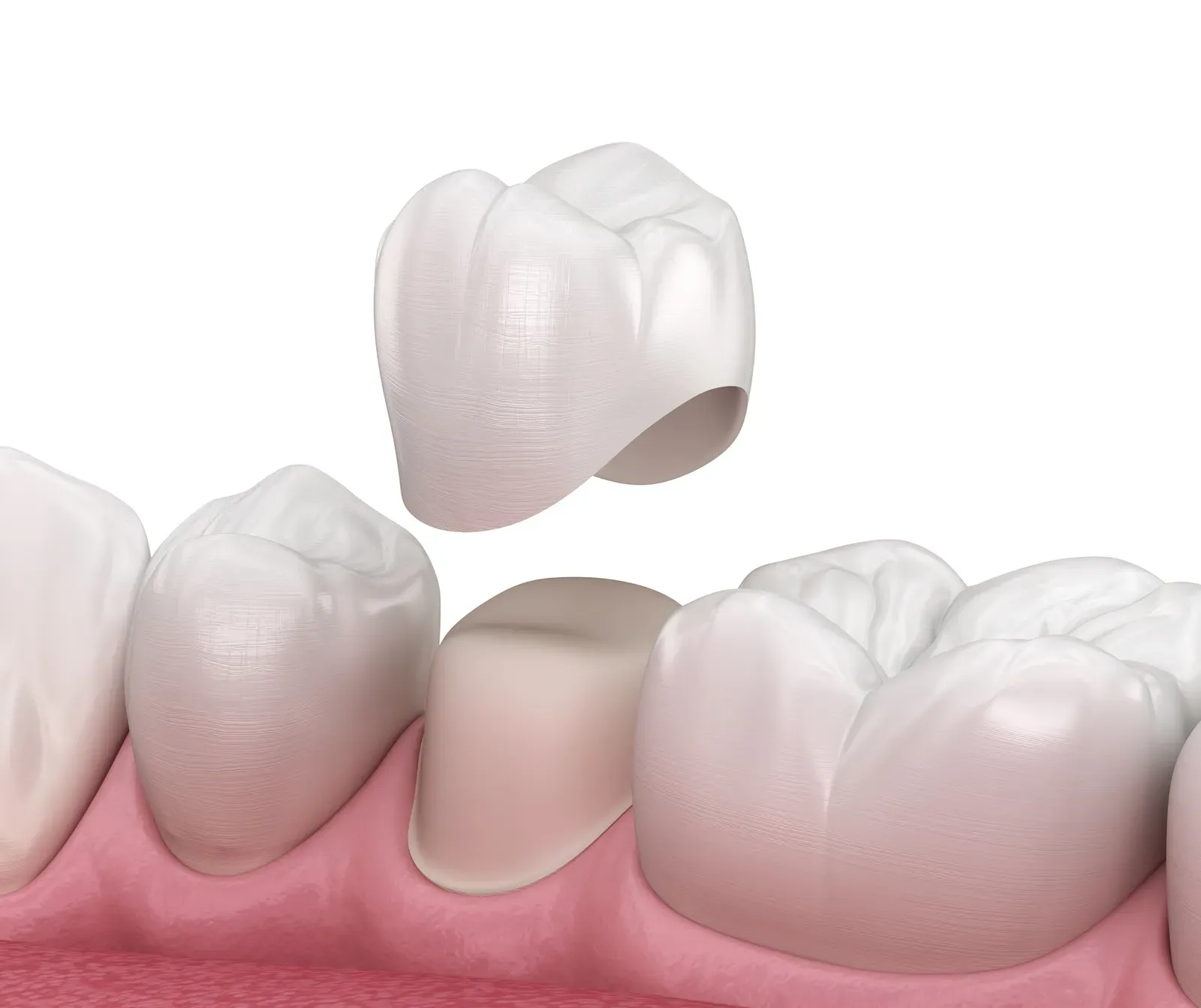
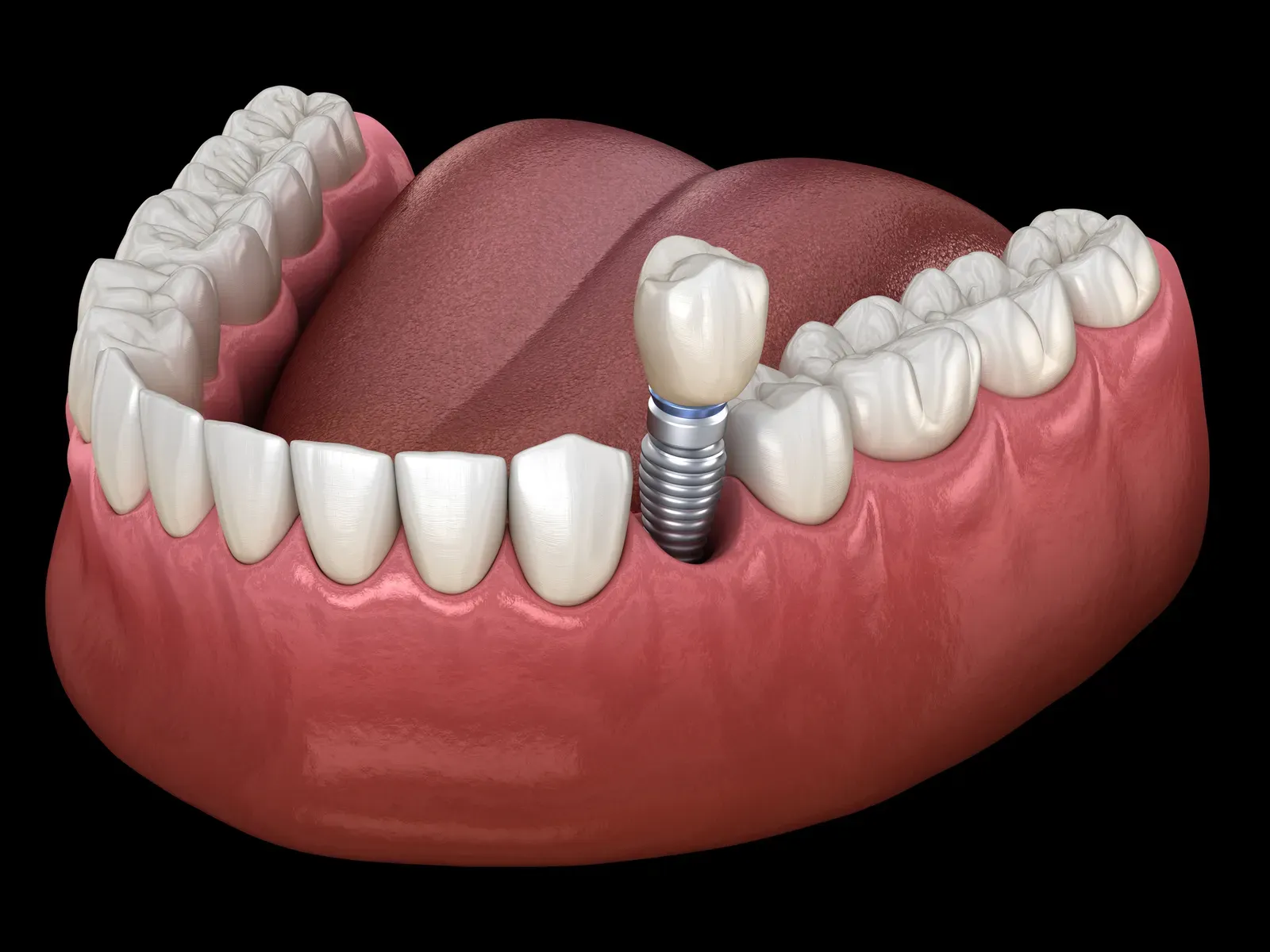
Money is one of the most honest reasons people cite for delaying dental visits, so it's worth addressing directly. A routine checkup and cleaning is almost always far less expensive than the treatment needed once a problem has been allowed to progress. A small cavity caught early might mean a simple filling. The same cavity left untreated for a year or two can mean a crown, a root canal, or in worse cases, an extraction and replacement with an implant or bridge.
Most dental insurance plans are actually structured around this exact logic - many cover preventive visits like cleanings and exams at 100%, while restorative treatments like fillings, crowns, and root canals require a copay or coinsurance. In other words, insurance providers are financially incentivized to keep you on a regular checkup schedule, because prevention costs them far less than treating advanced problems.
We talk openly with our patients about cost at every stage of treatment planning. If something is found during a checkup, we'll explain the options, the urgency, and realistic timing so you can make an informed decision rather than being surprised by an unexpected bill down the road.
What to Expect If You're Overdue for a Visit
If it's been a year, two years, or even longer since your last dental visit, please don't let that stop you from scheduling one. We understand that life gets busy, dental anxiety is real, and sometimes avoidance just snowballs. None of that surprises our team, and none of it will be met with judgment.
Your first visit back will likely take a bit longer than a standard six-month cleaning, since we'll want a full picture of where things stand - updated X-rays, a complete periodontal evaluation, and a thorough exam. If tartar buildup is significant, we may recommend completing the cleaning in two shorter visits rather than one long one, which tends to be more comfortable.
From there, our focus is simple: get you back onto a manageable, realistic maintenance schedule. For most patients, that one visit resets the clock and makes every future appointment faster, easier, and far less intimidating.
Key Takeaways
- Six-month checkups catch decay and gum disease at their earliest, most treatable stage.
- Professional cleanings remove hardened tartar that brushing and flossing simply can't reach.
- X-rays reveal hidden problems between teeth and below the gum line long before symptoms appear.
- Preventive care is consistently less expensive than restorative treatment for the same problem.
- It's never too late to get back on schedule, even after years away from the dentist.
Frequently Asked Questions
Do I really need X-rays at every visit?
No, not every visit. Most patients need bitewing X-rays roughly once a year to check for decay between teeth, with a full set every few years depending on your individual risk factors. Patients with a history of frequent cavities or gum disease may need them more often.
My gums bleed when I brush - is that something to worry about?
Yes, bleeding gums are usually an early sign of gingivitis and shouldn't be ignored, even though it's common and often painless. In most cases it's fully reversible with a professional cleaning and improved brushing and flossing habits, so it's worth mentioning at your next appointment.
Can kids go six months between checkups too?
Yes, the American Academy of Pediatric Dentistry recommends twice-yearly visits starting from a child's first tooth. Children's mouths change quickly, so regular visits also help us monitor jaw development, spacing, and the need for sealants or fluoride treatments.
What if I only go when something hurts?
Waiting for pain means waiting until a problem has already become advanced, since most early-stage cavities and gum issues don't hurt at all. By that point, treatment is typically more invasive and more expensive than it would have been if caught during a routine checkup.
Does insurance actually cover two cleanings a year?
Most dental insurance plans cover two preventive cleanings and exams per year at little to no out-of-pocket cost, since insurers recognize prevention saves money long-term. Our front desk team can verify your specific benefits before your appointment so there are no surprises.
The Bottom Line on Preventive Visits
A dental checkup every six months isn't about following a rule for its own sake - it's a window of time short enough to catch problems while they're still small and simple to treat. From tartar removal to gum measurements to X-rays that reveal what the naked eye can't see, each visit builds a clearer picture of your oral health over time, which only gets more valuable the longer we know your history.
If it's been a while since your last visit, or if you're simply due for your next one, our team at Sahara Family Dental in Montebello is ready to help you get back on track with a plan that fits your needs and your schedule. Prevention is always the more comfortable, more affordable path - and it starts with a single appointment.