433 N 4th St #210, Montebello, CA 90640, United States
 (323) 888-1030




Waking up with an aching jaw, a dull tension headache radiating around your temples, or unexplained tenderness in your back molars can turn your morning routine into a uncomfortable struggle. For millions of adults, these persistent symptoms are not simply the result of poor sleep posture or daily stress-they are physical warnings of nocturnal bruxism, a condition characterized by involuntary teeth grinding and jaw clenching during sleep. Because grinding occurs while you are unconscious, it often goes undetected for months or even years, quietly wearing away your protective enamel and straining your temporomandibular joints.
Over time, the excessive force exerted during nighttime grinding can lead to chipped enamel, heightened temperature sensitivity, loose teeth, and painful joint disorders. Left unaddressed, untreated bruxism often demands extensive restorative treatments to repair fractured structures or restore lost vertical tooth height. Protecting your smile requires identifying the underlying mechanics of grinding and taking proactive steps before irreparable structural harm takes place.
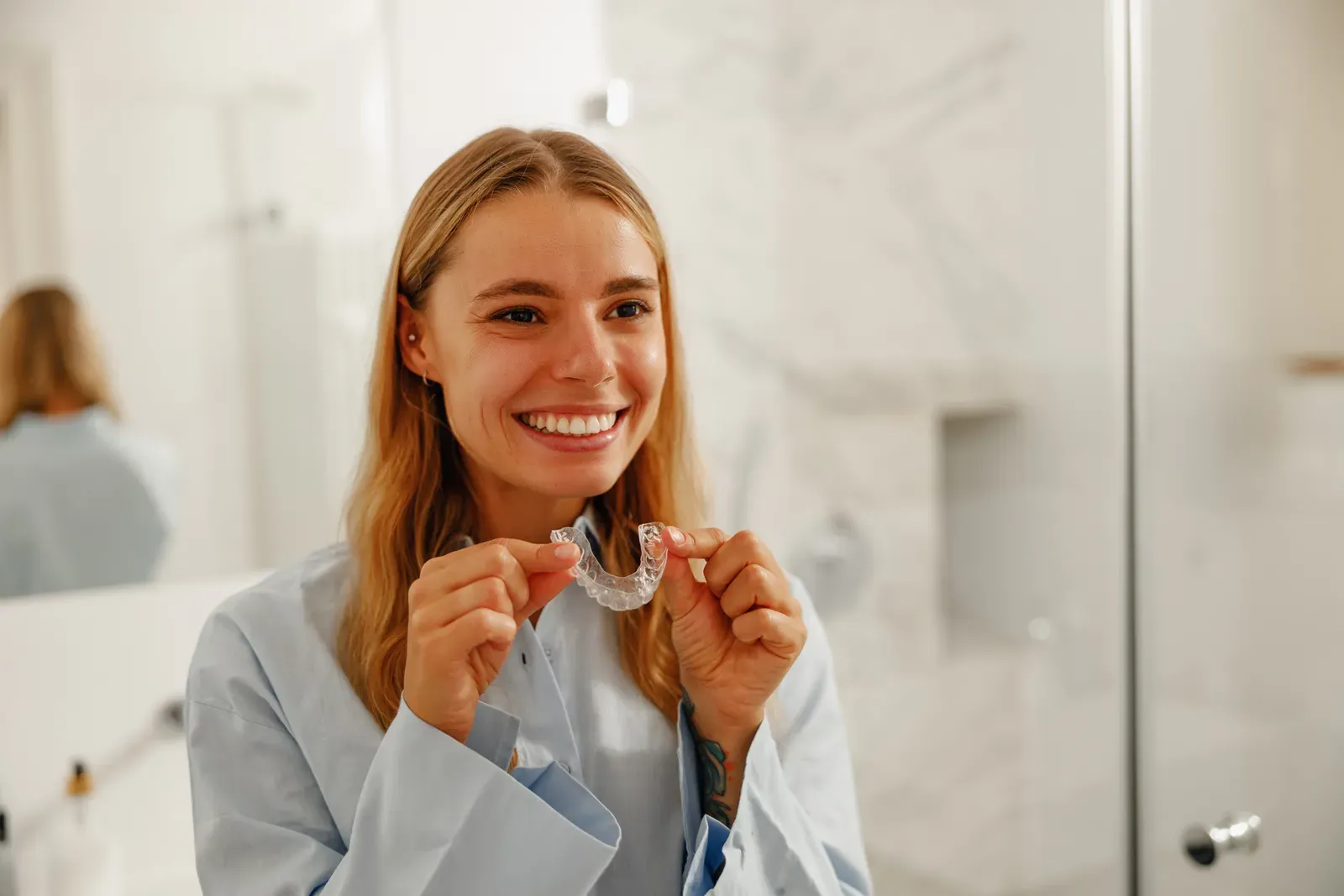
Fortunately, one of the most effective and non-invasive solutions available modern dentistry is a professionally crafted oral appliance. Investing in high-quality night guards creates a durable, custom-fitted barrier between your upper and lower arches. By absorbing nocturnal impact forces and redistributing bite pressure, custom appliances safeguard your tooth structure, alleviate muscle strain, and support restful, pain-free sleep.
Understanding Bruxism and Its Root Causes
Bruxism is the medical term for involuntary grinding, gnashing, or clenching of the teeth. While some individuals experience awake bruxism during high-stress moments or periods of deep concentration, nocturnal bruxism occurs entirely during sleep cycles. Because sleeping individuals lack conscious bite inhibition, the forces exerted during nighttime grinding can reach up to 250 pounds of pressure per square inch-far exceeding the pressure generated during normal chewing.
The triggers for nocturnal teeth grinding are multifaceted and vary significantly from person to person. Emotional stress, anxiety, and demanding lifestyle routines are primary catalysts that cause facial muscles to tense up during deep sleep stages. Bite misalignment (malocclusion), missing teeth, or sleep-disordered breathing conditions like obstructive sleep apnea also play major roles in prompting micro-arousals during which the body instinctively clenches the jaw.
Recognizing the signs early allows for proactive intervention before serious oral damage accumulates. Patients experiencing bruxism often present with distinct indicators during routine examinations:
-
Unexplained Morning Pain: Frequent tension headaches radiating from the temples, neck stiffness, or dull earaches upon waking.
-
Noticeable Tooth Wear: Flattened, worn-down chewing surfaces, chipped edges, or exposed yellow dentin underneath the enamel layer.
-
Jaw Joint Fatigue: Tenderness, clicking, popping, or tightness in the temporomandibular joint (TMJ) when opening or closing your mouth.
-
Increased Tooth Sensitivity: Heightened discomfort when consuming hot, cold, or sweet food and drinks due to thinned enamel.
Custom Dental Guards vs. Over-the-Counter Options
When seeking relief from grinding, many individuals first explore store-bought "boil-and-bite" guards available at local pharmacies. While these mass-produced options appear convenient and budget-friendly initially, they carry significant design limitations that can compromise your oral health over time.
Over-the-counter guards are manufactured using generic sizing templates. After heating the plastic in hot water, users bite down to shape the material. However, this process rarely produces an exact, balanced fit. Store-bought appliances tend to be bulky, unstable, and prone to slipping during the night, leading to breathing discomfort or unintentional swallowing hazards. Furthermore, soft generic plastics can actually stimulate your brain to chew more intensely while sleeping, intensifying muscle exhaustion.
In contrast, professional night guards crafted by a dentist are custom-tailored to your exact dental anatomy. Using precision impressions or digital intraoral scans, your guard is fabricated from high-grade, biocompatible dental resins. A custom guard ensures balanced contact points across your bite, preventing localized pressure points, keeping your airway unobstructed, and protecting your jaw alignment.
Store-Bought Guards
- Bulky fit that disrupts normal breathing and speech.
- Soft material often increases subconscious chewing reflexes.
- Unbalanced bite pressure can shift tooth positioning over time.
- Shorter lifespan requiring frequent replacement.
Professional Custom Guards
- Precision digital fit modeled to your unique bite structure.
- Slim profile for maximum comfort and easy breathing.
- Durable medical-grade acrylics built to withstand heavy wear.
- Scientifically designed to relax jaw muscles and align joints.
Exploring Different Types of Custom Dental Night Guards
Because every patient's grinding habits and oral anatomy are unique, custom night guards are available in several structural varieties. During your evaluation, your dentist assesses the severity of your wear patterns, muscle tension, and bite mechanics to prescribe the ideal appliance design.
1. Soft Night Guards
Fabricated from flexible, rubberized materials, soft night guards are designed for individuals with mild grinding habits or light daytime clenching. They offer exceptional comfort, making them easy to adapt to for first-time wearers.
Best Suited For: Light clenching, initial preventive care, and patients sensitive to rigid appliances.
2. Dual-Laminate (Hybrid) Night Guards
Dual-laminate guards feature an innovative two-layer design: a soft, cushioned inner lining that rests comfortably against your teeth, paired with a dense, hard acrylic outer shell that resists heavy grinding forces. This hybrid structure delivers optimal comfort while providing long-lasting durability.
Best Suited For: Moderate to severe nocturnal grinding and patients needing both cushion and heavy-duty protection.
3. Hard Acrylic Night Guards
Constructed entirely from rigid, clear acrylic, hard night guards offer maximum resistance against intense bruxism and severe TMJ disorders. Because of their ultra-durable rigid nature, hard guards prevent teeth from locking together and allow the lower jaw to slide naturally into a relaxed resting position.
Best Suited For: Severe bruxism, chronic TMJ pain, and patients who wear through softer materials quickly.
Proper Maintenance and Care for Your Night Guard
A custom night guard is a valuable investment in your long-term oral health. With consistent care and hygienic maintenance, high-quality acrylic guards can last anywhere from 3 to 10 years, depending on the intensity of your grinding. Daily cleaning prevents oral bacteria, plaque, and mineral deposits from compromising the material or causing unpleasant odors.
Establishing a simple morning routine ensures your guard remains clean and durable. Every morning upon removal, rinse your appliance under lukewarm water to clear residual saliva. Gently brush all surfaces using a soft-bristled toothbrush and non-abrasive liquid hand soap. Avoid using standard toothpaste, as abrasive silica particles can create micro-scratches on the plastic where bacteria can lodge.
Bringing your guard to your routine dental checkups and professional teeth cleanings allows your hygienic team to inspect the appliance for structural wear, evaluate fit stability, and perform deep ultrasonic cleaning.
-
Avoid Hot Water: Never rinse or soak your guard in hot or boiling water, as extreme heat will distort the custom plastic molding and ruin its fit.
-
Store in a Ventilated Case: Always allow your guard to air-dry completely before storing it in a protective, ventilated plastic case to inhibit fungal growth.